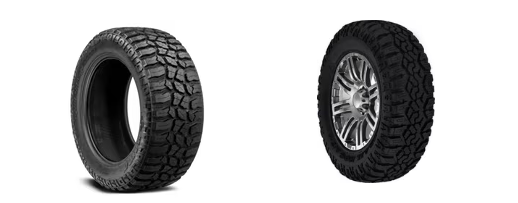
Moving up to 35" tires changes both the look and performance of your truck or SUV. It is a popular upgrade for drivers who want more ground clearance, stronger offroad traction, and a more commanding presence on the road. before making the jump, it is important to understand whether your current setup can support the bigger tire size.
In rare cases, 35" tires can be installed on a stock suspension, but it is rarely a perfect fit. Clearance limitations, wheel offset, and factory geometry often leads to rubbing during turns or suspension movement. Knowing these limitations ahead of time helps you make the right decision and avoid issues like uneven tire wear, reduced drivability, or the need for additional modifications after installation.
For drivers who want professional guidance and properly fitted wheel and tire packages, Canada Custom Autoworks provides industry leading installation and setup services tailored to your vehicle. Learn more at:
https://www.canadacustomautoworks.com/
Truck fitted with large offroad tires showing aggressive stance and increased ground clearance.
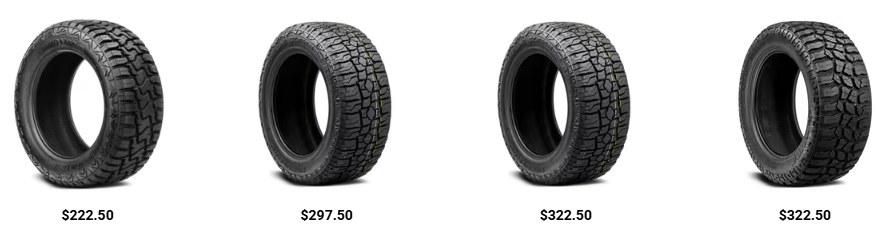
Can 35” tires fit on stock suspension?
Popular models like the Ford F150, RAM 1500, Jeep Wrangler, and Ford Bronco may accommodate 35” tires depending on wheel specifications and factory clearances.
However, “fitting” does not always mean “functional .” Even if the tires mount successfully, issues like rubbing, limited turning radius, and reduced suspension travel are very common.
What factors determines fit?
Several key factors determine whether 35” tires will work on a stock setup.
Wheel offset and backspacing
Wheel offset plays a major role in clearance. If the offset is too positive, the tire may rub against suspension components like control arms. If it is too negative, the tire may stick out and contact the fenders.
Most setups require a carefully chosen offset (often between 0 and 12 mm) to balance clearance and stance.
Rubbing at full lock
Even when driving normally feels fine, tires often rub when the steering wheel is turned fully left or right. This is especially noticeable during parking or tight maneuvers.
Suspension articulation
When driving offroad or over uneven terrain, the suspension compresses and extends. Larger tires can contact fenders or inner liners during this movement, even if they seem fine on flat ground.
Factory clearances
Not all vehicles are built the same. Some trims (like offroad packages) offer more clearance from the factory, while others are tighter and more restrictive.
Closeup of large tire clearance near suspension components and inner fender.
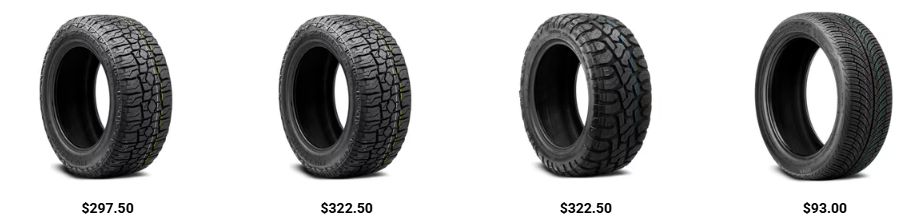
Common modifications required
While some drivers run 35” tires on factory suspension, minor modifications are often needed to make them viable.
Trimming plastic fender liners
Minor trimming of the inner fender liners are common to prevent rubbing.
Crash bar removal or modification
Certain vehicles (especially Ford models) may require crash bar removal to create space.
Wheel spacers or aftermarket wheels
Adjusting the wheel position can improve clearance, but it must be done correctly to avoid stress on components.
Is a leveling kit recommended?
Although not always required, a leveling kit (typically 1.5” to 2.5”) is highly recommended for running 35” tires.
A leveling kit helps:
- Improve clearance during turns and suspension travel
- Reduce or eliminate rubbing
- Enhance overall stance and appearance
For most drivers, this small upgrade makes a significant difference in both performance and reliability.
VehicleSpecific Fitment for 35” Tires
Not all trucks and SUVs handle 35” tires the same way. Factory suspension design, wheel well clearance, and trim level all play a major role in how easily larger tires can be installed. While some vehicles can accommodate 35” tires with minimal changes, others may require trimming, wheel adjustments, or additional clearance upgrades to function properly without rubbing.
| Vehicle Model | Fitment Overview | Notes |
| Jeep Wrangler / Gladiator | Possible on stock suspension | Tight clearance during articulation; may require minor modifications |
| RAM 1500 | Limited fitment | Often needs trimming and possibly wheel spacers, depending on setup |
| Ford F150 / Raptor | Varies by trim | Raptor models fit more easily; the standard F150 may require adjustments |
| Ford Bronco (NonSasquatch) | Possible with the correct setup | Requires proper wheel offset; limited clearance without upgrades |
Truck undergoing wheel installation with oversized offroad tires in a professional auto shop.
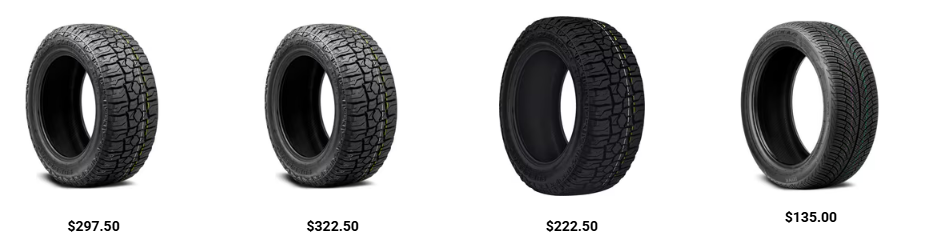
What are the downsides of running 35” tires on stock suspension?
Even if the tires fit, there are tradeoffs to consider.
- Increased wear on suspension components
- Reduced fuel efficiency
- Heavier steering feel
- Possible loss of full turning radius
- Higher risk of rubbing under load
These factors can affect daily drivability if not addressed properly.
Professional fitment matters
Installing 35” tires is not just about whether they bolt on, it’s about how they perform once installed. Proper wheel selection, offset calculation, and clearance checks are essential to avoid hidden problems .
At Canada Custom Autoworks, experienced technicians help drivers choose the right combination of tires, wheels, and suspension upgrades to ensure a fit and reliability .
Whether you are upgrading for offroad capability or a more aggressive look, the right setup makes all the difference.
Visit Canada Custom Autoworks to explore tire and wheel options or to schedule a professional installation:
https://www.canadacustomautoworks.com/