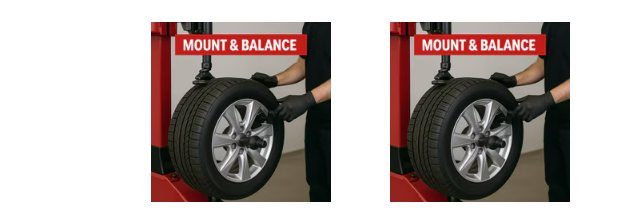
Installing new tires is one of the best ways to improve your vehicle’s safety, traction, and ride quality. However, many drivers wonder whether a wheel alignment is necessary after installing new tires. While it may not always be required, getting an alignment at the same time is highly recommended to protect your tires and ensure your vehicle drives properly.
A wheel alignment ensures that your tires are positioned at the correct angles relative to the road and each other. When alignment is correct, your tires wear evenly, your vehicle drives straight, and steering feels smooth and responsive.
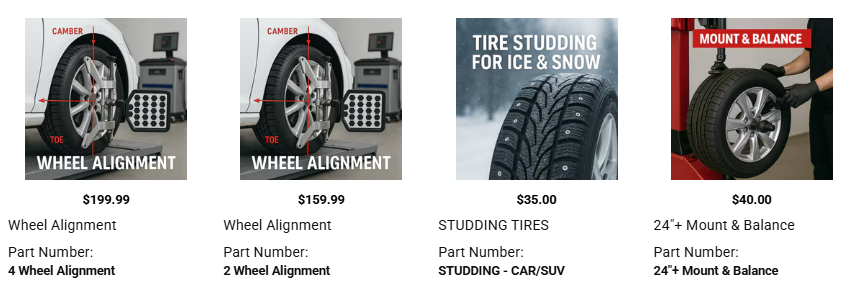
What does wheel alignment mean?
Wheel alignment refers to adjusting the angles of the wheels according to the manufacturer’s specifications. These angles include camber, caster, and toe, which determine how the tires contact the road.
If these angles are even slightly off, your tires may not sit flat on the road surface. This can cause uneven tread wear, steering problems, and reduced vehicle stability.
Proper alignment ensures your tires make consistent contact with the road, helping them last longer and perform better.
Why is alignment recommended with new tires?
Protects your new tires
New tires represent a significant investment, and improper alignment can cause them to wear out much faster than expected. Misaligned wheels often lead to uneven wear patterns, such as excessive wear on the inside or outside edges of the tire.
Getting an alignment helps ensure your new tires wear evenly and reach their full lifespan.
Improves steering and handling
When your wheels are aligned correctly, your vehicle drives straight without pulling to one side. The steering wheel also stays centered while driving.
Without proper alignment, drivers may notice:
- Vehicle pulling left or right
- Crooked steering wheel when driving straight
- Reduced steering responsiveness
Alignment restores proper handling and improves overall driving comfort.
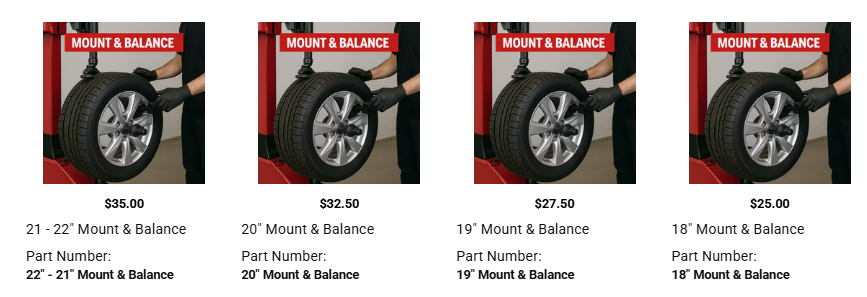
Helps maintain vehicle stability
Wheel alignment affects how stable your vehicle feels, especially at higher speeds. Proper alignment allows all four tires to work together evenly, improving road contact and reducing unnecessary strain on suspension components.
This contributes to better control and a safer driving experience.
When alignment becomes especially important?
Although alignment is always beneficial with new tires, it becomes particularly important in certain situations.
You should strongly consider an alignment if:
- Your previous tires showed uneven wear
- The vehicle pulls to one side while driving
- The steering wheel is off-center
- You recently hit a pothole or curb
- Suspension components such as struts, ball joints, or tie rods were replaced
These conditions often indicate that the wheel angles may already be out of specification.
Alignment vs wheel balancing
Wheel alignment and wheel balancing are often confused, but they serve different purposes.
Wheel balancing ensures the tire and wheel assembly rotate smoothly by evenly distributing weight around the wheel. This prevents vibrations in the steering wheel or seat.
Wheel alignment adjusts the direction and angle of the wheels to ensure proper contact with the road.
Both services are important when installing new tires and help maximize tire life and driving comfort.
What happens if you skip alignment?
If you install new tires without checking alignment, you risk premature tire wear. In some cases, tires may develop uneven tread patterns within a short period of time.
Poor alignment can also lead to:
- Reduced fuel efficiency
- Steering instability
- Increased wear on suspension components
For these reasons, many technicians recommend checking alignment whenever new tires are installed.
Professional tire installation and alignment
If you're installing new tires, ensuring proper alignment is one of the best ways to protect your investment and maintain safe driving performance.
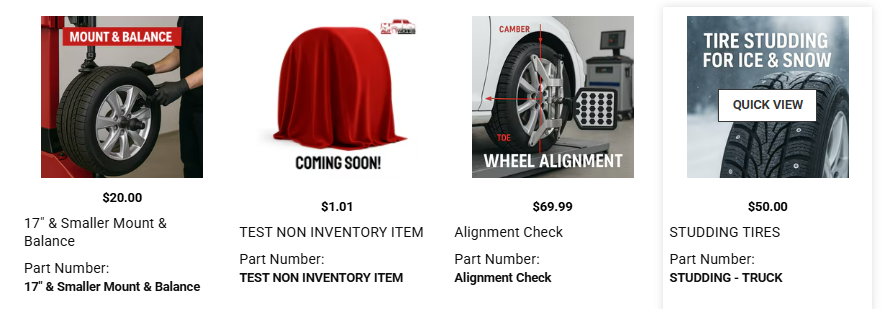
At Canada Custom Autoworks, professional technicians can help with tire installation, balancing, and alignment checks to ensure your vehicle performs exactly as it should.
Browse tire options or schedule service at:https://www.canadacustomautoworks.com/