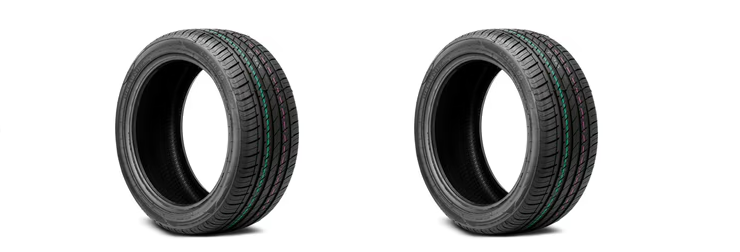
Extending the life of your tires is not complicated, but it does require consistency. At Canada Custom Autoworks, we regularly see tires wearing out far earlier than they should, often due to simple maintenance issues. With the right approach, you can protect your investment, improve safety, and get the maximum value out of every set.
Why tire life matters
Tires are one of the most important components of your vehicle. They affect traction, braking, fuel economy, and ride quality. When tires wear unevenly or prematurely, it is usually a sign that something is off, not just normal wear.
Taking care of your tires means better performance, fewer replacements, and a safer driving experience yearround.
Maintain proper tire pressure
Tire pressure is the single most important factor in tire longevity.
Underinflated tires wear faster on the edges, generate excess heat, and reduce fuel efficiency. Overinflated tires wear out the center of the tread and reduce traction.
Check your tire pressure at least once a month and always when temperatures change. Tires should be checked when cold, and you should always follow the manufacturerrecommended pressure listed on the driver door placard, not the number on the tire sidewall.
Rotate your tires regularly
Tires do not wear evenly because different positions on your vehicle experience different loads and forces. Front tires typically wear faster due to steering and braking, especially on trucks and SUVs.
Rotating your tires every 8000 to 12000 kilometers helps distribute wear evenly and extends overall lifespan. Skipping rotations is one of the most common reasons tires wear out early.
Keep your alignment in check
Wheel alignment plays a major role in how your tires wear.
If your vehicle pulls to one side, your steering wheel is off center, or you notice uneven tread wear, your alignment may be off. Even a small misalignment can quickly destroy a set of tires.
We recommend checking alignment at least once a year, or anytime you install new tires, wheels, or suspension components.
Balance your tires properly
Tire balancing ensures that weight is evenly distributed across the wheel and tire assembly.
Unbalanced tires cause vibration, uneven wear, and added stress on suspension components. Balancing should always be done when new tires are installed and checked during regular rotations.
Drive with tire life in mind
Your driving habits have a direct impact on how long your tires last.
Aggressive acceleration, hard braking, and fast cornering all increase tread wear. Smooth and controlled driving reduces stress on the tires and helps them last longer.
If you regularly drive on gravel roads or rough terrain, choosing the right tire type is just as important as how you drive.
Inspect your tires regularly
Routine inspections help catch problems before they become expensive.
Look for uneven wear patterns, cracks, punctures, or bulges in the sidewall. These can indicate issues with alignment, pressure, or internal tire damage.
Checking tread depth is also important. If the tread is too low, traction is reduced, and the tire should be replaced.
Avoid overloading and excessive heat
Carrying more weight than your tires are rated for puts extra stress on the structure of the tire and generates heat. Heat is one of the leading causes of tire failure.
If you tow or haul regularly, make sure your tires have the proper load rating and are inflated correctly for the load.
Store tires correctly
If you use seasonal tires, proper storage is essential.
Store tires in a cool, dry place away from direct sunlight. Keep them clean and avoid stacking them in ways that can cause deformation. Proper storage prevents rubber degradation and helps maintain performance for the next season.
Choose the right tires for your driving
Not all tires are built for the same purpose.
Using an aggressive offroad tire for primarily highway driving will lead to faster wear and reduced efficiency. Likewise, using a highway tire on rough terrain can cause damage and shorten its lifespan.
Choosing the right tire for your driving conditions is one of the most important longterm decisions you can make.
Extending tire life comes down to simple habits done consistently. Proper pressure, regular rotations, correct alignment, and smooth driving can significantly increase how long your tires last.
If you want expert advice, maintenance, or a new set of tires that matches your driving needs, visit Canada Custom Autoworks. Our team will help you get the most out of your tires and keep your vehicle performing at its best.