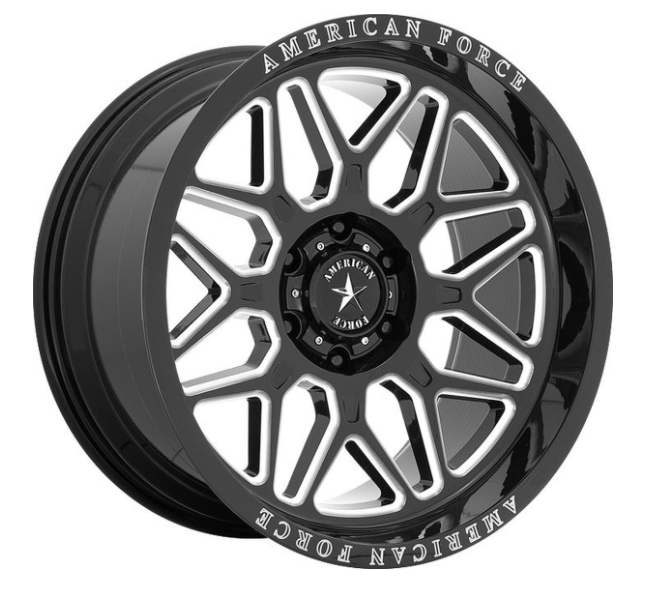
Canada's diverse geography and extreme climate create some of the world's most demanding driving conditions, where a vehicle's wheels and tires are arguably its most critical safety and performance components. Canadian drivers contend with everything from high-speed highway travel to treacherous winter roads across a national road network spanning over 1.3 million kilometres. The climate severely impacts road quality, contributing to high rates of deterioration. Reports indicate that 46% of Canadian drivers felt the nation's roads had become less safe in 2024, largely due to ongoing issues such as potholes caused by freeze-thaw cycles. Amidst this demanding landscape, and with the average vehicle logging approximately 15,200 kilometres annually, the demand for high-mileage, durable components is immense, driving a massive automotive aftermarket valued at over $22.4 billion (USD). Canada Custom Autoworks addresses this market need by specializing in the intersection of performance, safety, and style. They offer a one-stop solution for custom wheels (a market valued at over $935 million (USD) in 2024), specialized tyres, and performance accessories. By focusing on expert consultation and competitive pricing, they help Canadian drivers not just endure the conditions but master them, ensuring their vehicle is perfectly matched to the unique challenges of the journey.

Choosing Tires for Long Highway Drives & General Use
For the Canadian driver, the majority of the year is spent on pavement, requiring a tire that excels in comfort, safety, and longevity. At Canada Custom Autoworks, we prioritize options that ensure a smooth, fuel-efficient, and dependable experience over thousands of kilometres.
Key Performance Criteria for the Road
When selecting your primary set of tires, focus on options that balance daily driving needs with the occasional long haul:
- Tread Life & Durability: Look for a tire with high mileage ratings and a robust treadwear warranty. This is your insurance policy for the 15,200+ km the average Canadian vehicle travels annually.
- Fuel Efficiency (Low Rolling Resistance): Tires that require less energy to roll can significantly reduce fuel consumption, saving money and reducing emissions on extended trips. Look for compounds and designs optimized for this factor.
- Comfort & Noise Control: Advanced tread patterns are engineered to minimize road noise and vibration, essential for maintaining a quiet, comfortable cabin during those hours across the Trans-Canada Highway.
- Reliable Grip (Wet and Dry): Your tires must provide consistent traction across Canada's variable non-winter conditions, from the heat of a prairie summer to heavy coastal rain.
Recommended Tire Types for Year-Round Use
Based on your driving style and vehicle type, here are the top tire categories:
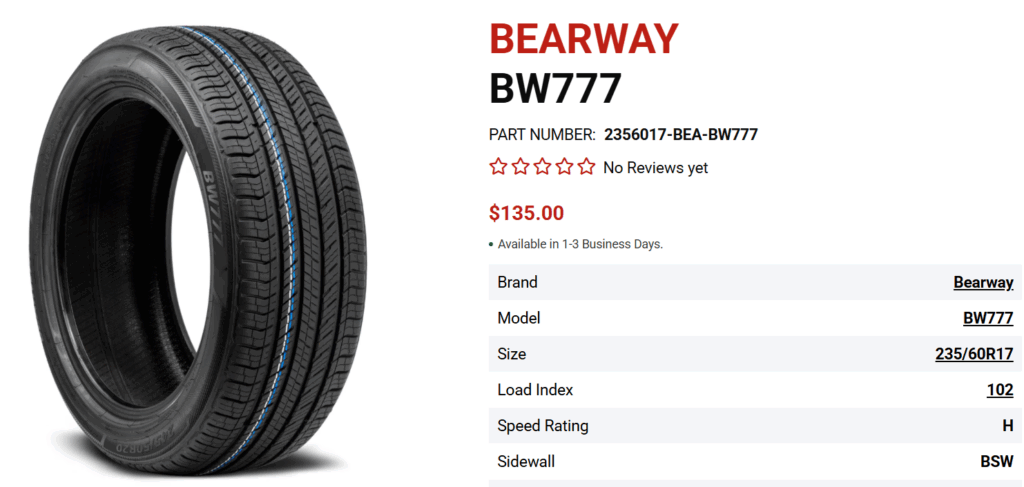
- Touring & All-Season Tires (The Daily Driver): These are the standard choice for sedans, coupes, and crossovers. They offer the best balance of comfort, long life, and wet/dry performance. They are ideal if you live in a region with milder winters or utilize a dedicated winter set.
- Example of a versatile tire: Consider the Bearway BW777 with its balanced design (check sizes like the 235/60R17 Bearway BW777 for a great blend of value and reliability).
- Ultra-High Performance (UHP) Tires (The Enthusiast): For drivers prioritizing enhanced handling, shorter stopping distances, and superior responsiveness, UHP tires are the answer. They feature wider treads, lower profiles, and specialized compounds designed to maximize road contact and cornering ability, making long, twisty drives more engaging and safer.
- Examples of performance-focused options: Explore designs like the 305/30R26 Haida HD937 or the 275/35R22 Bearway BW118 for a combination of style and on-road precision.
- All-Terrain (A/T) Tires (The Explorer): For light trucks and SUVs that frequently transition between pavement and gravel roads, forestry service roads, or campgrounds, A/T tires provide essential stability. They offer reinforced durability and a tread pattern aggressive enough to handle unpaved surfaces while still performing adequately on the highway.
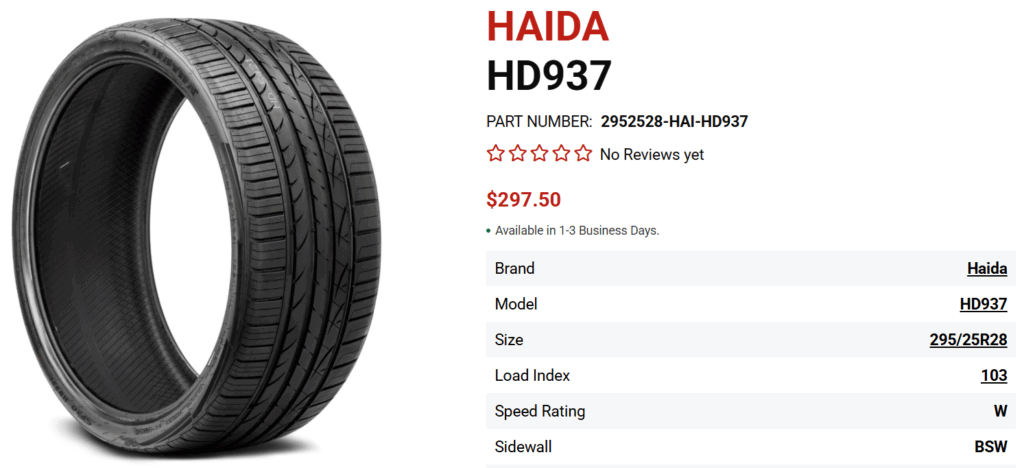
- Custom Performance Sizes (The Statement): For a fully customized look, often paired with aftermarket wheels, specialized sizing is required. Our inventory includes statement pieces that meet the demands of both aesthetics and performance, such as the 315/35R20 ILink Speedking 07 or the ultra-low-profile 295/25R28 Haida HD937, ensuring your vehicle stands out while maintaining structural integrity.
The Winter Imperative: A Dedicated Setup for Safety
In Canada, where temperatures drop below 7 °C for months, the single most critical factor in vehicle safety is the use of dedicated winter wheels and tires. This is not just a recommendation, it’s an essential safety measure that protects you, your passengers, and your investment.
The Science of the Winter Tire
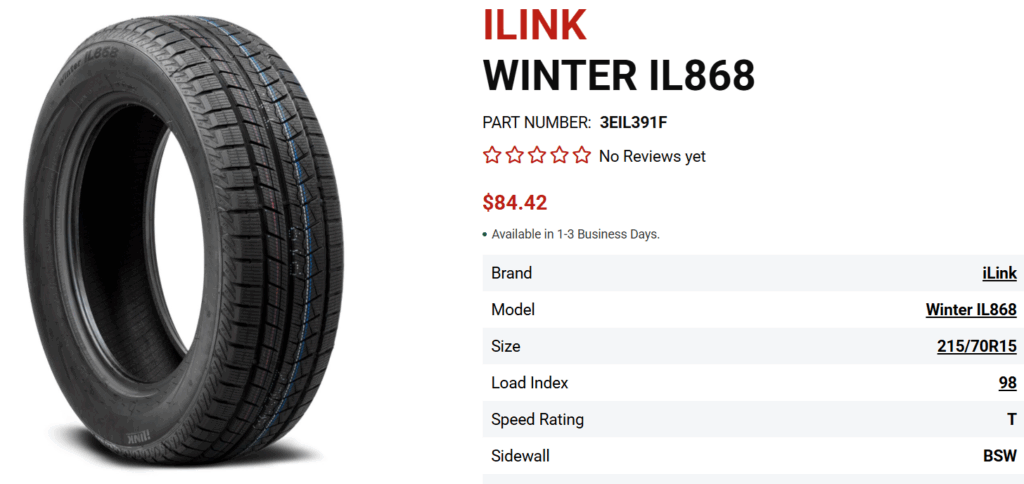
Winter tires (often called snow tires) are fundamentally different from all-season options:1
- Softer Rubber Compound: The rubber remains flexible in extreme cold, allowing the tire to grip the road surface effectively, whereas all-season rubber stiffens, drastically reducing traction.
- Tread Design: They feature deep, aggressive tread patterns and specialized sipes (tiny slits) that channel slush and water away, preventing hydroplaning, and bite into snow and ice for enhanced traction.
- Braking Performance: This technology results in significantly shorter stopping distances on snow and ice, a statistic that can be the difference between a close call and a severe collision.
Debunking the AWD Myth
A common misconception is that an All-Wheel Drive (AWD) or 4x4 vehicle is sufficient for winter. While AWD helps you accelerate in slippery conditions, it does nothing to help you steer or stop. Only dedicated winter tires provide the necessary cornering grip and braking power to keep you safe. No matter your drive type, winter tires are a non-negotiable safety upgrade.
The Downsizing and Wheel Strategy
When building your winter package, we strongly recommend a strategy of downsizing the wheel diameter and choosing durable materials:
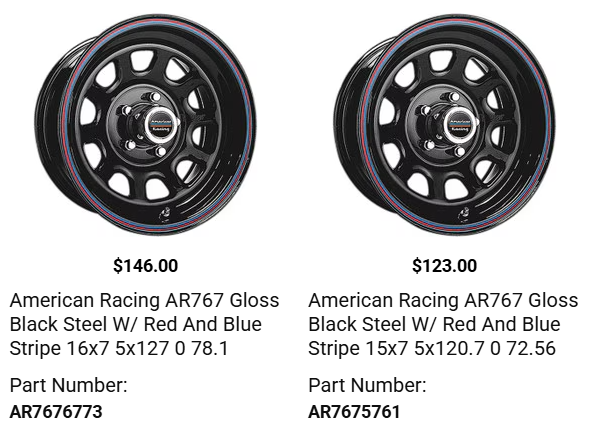
- Pothole Protection (Taller Sidewall): By selecting a smaller diameter wheel (e.g., going from an 18-inch alloy to a 17-inch steel wheel), you gain a tire with a taller sidewall. This extra cushioning is vital for absorbing the harsh impacts of potholes and road heaves caused by Canada's freeze-thaw cycles, protecting your wheel and suspension components.
- Corrosion Resistance (Steel Wheels): We recommend steel wheels for your winter setup. They are far more resistant to corrosion and chemical damage from the salt and road slurry used on Canadian highways than cosmetic alloy wheels.
- Narrower Tire: A narrower winter tire (compared to your summer or UHP tire) provides better traction by cutting through deep snow and slush to find the pavement underneath, rather than riding on top of the snow.
The All-Weather Solution (The Compromise)
For drivers in regions with less extreme winters or those who do not want to manage two sets of tires, All-Weather tires offer a legal, single-set alternative. These tires feature the "mountain snowflake" symbol, making them legally acceptable for winter-mandated roads (such as those in Quebec and certain BC highways). However, they do not perform as well as dedicated winter tires in deep snow and ice.
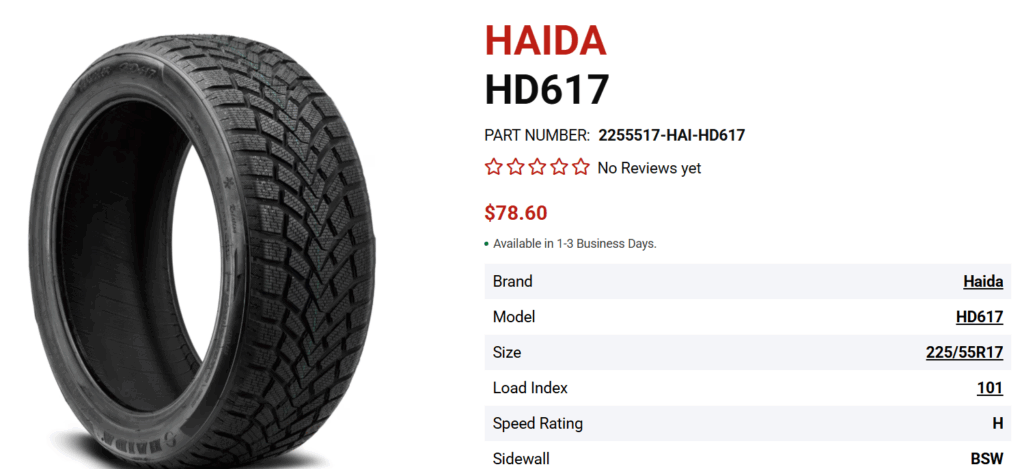
- Example of an All-Weather Option: The Suretrac Wide Climber AWT (e.g., 285/55R20) and the Haida HD617 (225/55R17) offer rugged performance and the necessary winter certification for year-round convenience.
Maintenance, Budget, and Buying with Confidence
Selecting the proper tires is only half the battle; maintaining them is crucial for maximizing their lifespan and ensuring your safety on Canada's demanding roads. Furthermore, smart budgeting can make the essential safety investment affordable.
Essential Tire Maintenance for Canadian Drivers
Due to extreme temperature swings and road conditions, vigilance is key to extending the life of your tires (which can last 4–6 years on average):
- Check Tire Pressure Regularly: This is the most critical factor in tire care. For every 10°C in temperature, tires can lose 1–2 PSI (pounds per square inch) of pressure.
- Pro Tip: Always check tire pressure when the tires are "cold" before driving, or after the vehicle has been parked for at least 3 hours. Use the pressure recommendation found on your driver's side door placard, not the maximum pressure on the tire sidewall.
- Rotate Tires Frequently: Rotate your tires approximately every 8,000 to 12,000 kilometres (or as specified in your owner's manual). This distributes wear evenly, preventing premature ageing and ensuring all four tires deliver optimal performance.
- Get Alignment and Balancing Checked: Potholes and curbs standard on Canadian roads can quickly knock your wheels out of alignment. Have your wheel alignment checked annually or after any significant impact. Unbalanced tires lead to vibration and rapid, uneven tread wear.
- Monitor Tread Depth: Replace tires when the tread depth reaches the legal minimum of 1.6 mm, indicated by the wear bars. For winter tires, Quebec law mandates replacement at 4.8 mm, a good safety benchmark for all winter driving.
Smart Budgeting for Seasonal Safety
Investing in a dedicated winter setup (wheels and tires) can be significant, but it is a safety expense that often pays for itself:
- Insurance Discounts: Many insurance providers in provinces like Ontario and Alberta offer a recurring discount of up to 5% on your annual premium for installing winter tires.
- Provincial Programs: Check for government incentives. Manitoba Public Insurance (MPI), for example, offers a Winter Tire Program that allows eligible Manitobans to finance up to $2,000 per vehicle for tires, rims, installation, and more.
- Manufacturer Rebates: Major tire brands (such as Michelin, Bridgestone, and Goodyear) frequently offer instant or mail-in rebates during the fall and winter, providing up to $150 in cash back on a set of four qualifying tires.
- Cost Efficiency: Using a dedicated winter set means your summer/all-season tires are only used for half the year, effectively doubling their lifespan and delaying replacement costs.
Safety and Style, Delivered by Experts
Choosing the right wheels and tires for Canada requires balancing extreme safety demands with personal style and performance goals. Whether you are seeking a quiet, fuel-efficient touring tire for your daily commute or a rugged, confidence-inspiring winter package, the principles remain the same: adherence to manufacturer guidelines and proactive maintenance.
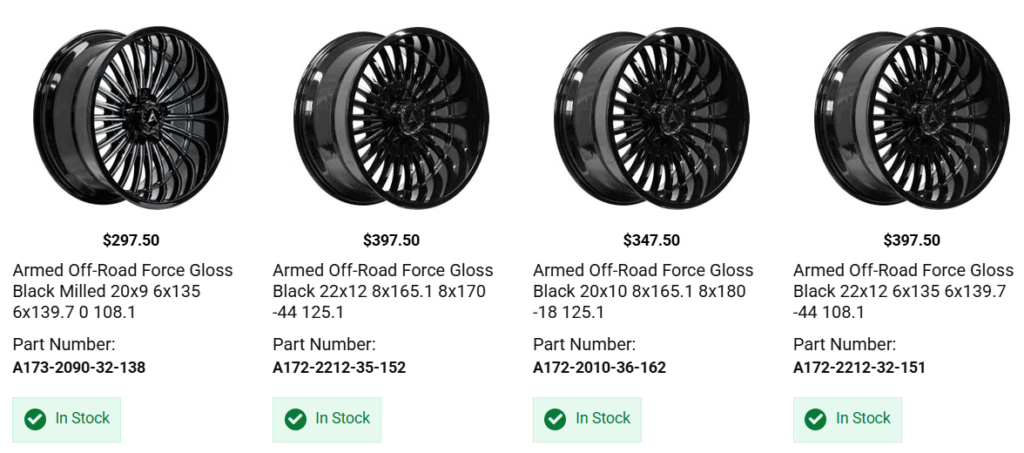
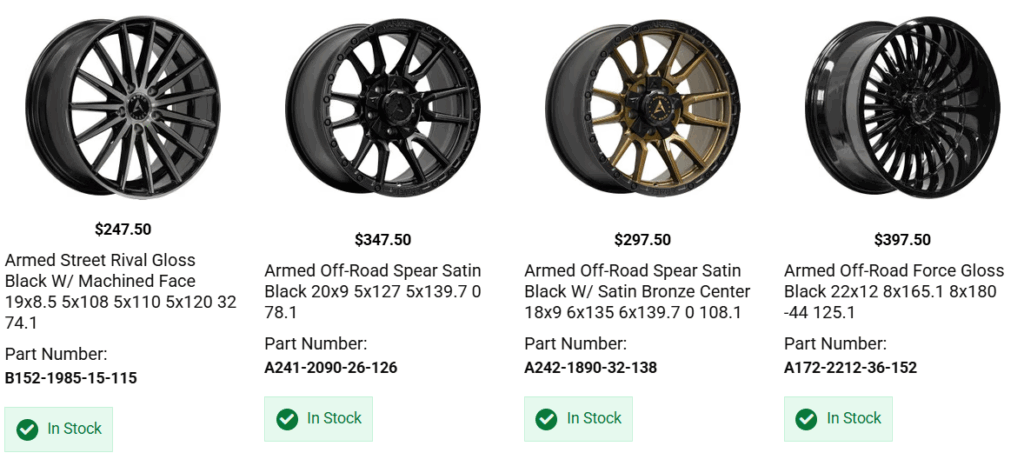
At Canada Custom Autoworks, our expertise is focused on providing packages that meet all of these criteria. From verifying the proper overall diameter for downsizing to offering custom wheels that clear your brake systems, we ensure a perfect fit that enhances both the look and the safety of your vehicle.
Ready to upgrade your vehicle's performance and safety for the season ahead? Visit one of our locations or contact us today to consult with a specialist and find the perfect package for your Canadian journey.