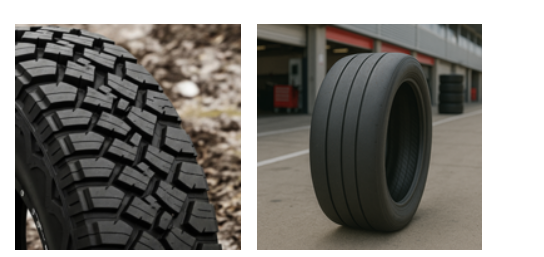
Switching to 33” tires is often the first upgrade truck and SUV owners consider when they want a noticeable boost in both appearance and capability. This size offers a balanced improvement without pushing your vehicle too far beyond factory limits.
For many drivers, 33” tires provide the ideal middle ground. You gain extra clearance for rough terrain, better traction in offroad conditions, and a more assertive look, all while maintaining solid onroad comfort and reliability.
But the most common question is simple: how much lift do you actually need to run 33” tires properly?
The answer depends on your vehicle, how you plan to use it, and how clean you want the fitment to be.
Can You Fit 33” Tires Without a Lift?
Many modern trucks can fit 33”t ires on stock suspension. However, that does not mean it is ideal.
With no lift or just a leveling kit, you may run into:
- Rubbing at full steering lock
- Contact during suspension compression
- Limited clearance for offroad use
This setup can work for daily driving, especially with narrower tires, but it often comes with compromises.
Recommended Lift Sizes for 33” Tires
0–2” Lift (Leveling Kit)
Installing a minor lift kit or leveling kit is the simplest option .
Best for:
- Daily driving
- Budgetfriendly
What to expect:
- 33” tires may fit depending on the vehicle
- Minor rubbing is common, especially with wider tires
- Limited clearance when turning or hitting bumps
This setup works best when paired with conservative wheel offsets and narrower tires.
2–3” Lift (Recommended Setup)
This is the ideal range for most drivers.
Best for:
- Daily driving and light offroading
- Clean and functional fitment
What to expect:
- Proper clearance for 33" tires
- Minimal or no rubbing when set up correctly
- Improved suspension travel and overall performance
This lift height provides the space needed during turning and suspension movement, while maintaining good ride quality. For most trucks and SUVs, this is the most balanced and reliable option.
3–4” Lift (OffRoad Focused)
A larger lift is typically chosen for more demanding use.
Best for:
- Frequent offroading
- Aggressive wheel and tire setups
What to expect:
- Maximum clearance and articulation
- Reduced risk of rubbing
- Higher cost and complex installation
This setup is ideal if you plan to push your vehicle offroad or want an aggressive overall build.
Key Factors That Affect Fitment
Tire Width
Not all 33” tires fit the same.
- Narrow options like 33x10.5 are easier to fit and less likely to rub
- Wider options like 33x12.5 are more aggressive and often require additional clearance
Wider tires increase the chances of rubbing, especially with minimal lift.
Wheel Offset
Wheel offset plays a major role in how your tires sit.
- Neutral or slightly negative offset helps clear suspension components
- More aggressive offsets push the tire outward and can increase rubbing on fenders and liners
Choosing the wrong offset is one of the most common causes of fitment issues.
Vehicle Platform
Different vehicles handle 33” tires differently.
- Toyota Tacomas often requires a 2–3” lift and trimming
- Ford F150s can fit 33” tires stock, but benefits from added clearance
- RAM 1500s are sensitive to wheel setup and tire width
- Jeep Wranglers can fit 33” tires but benefits from a lift kit.
There is no onesizefitsall answer, which is why proper setup is critical.
Trimming and Modifications
Even with a lift, some setups may require minor adjustments, such as:
- Fender liner trimming
- Mud flap removal
- Body mount modifications
A proper lift reduces the need for these changes.
Quick Setup Guide
- 0–2” lift: Works for basic daily driving, may have minor rubbing
- 2–3” lift: Best balance for clearance, comfort, and performance
- 3–4” lift: Ideal for offroad use and aggressive look
In general, 2–3” lift is the safest and most practical option for running 33” tires.

Need Help Choosing the Right Setup?
At Canada Custom Autoworks, we help you choose the right lift, wheels, and tires based on your exact vehicle and how you use it. No guesswork, no generic advice.
Contact our team today to get a setup that fits right the first time.