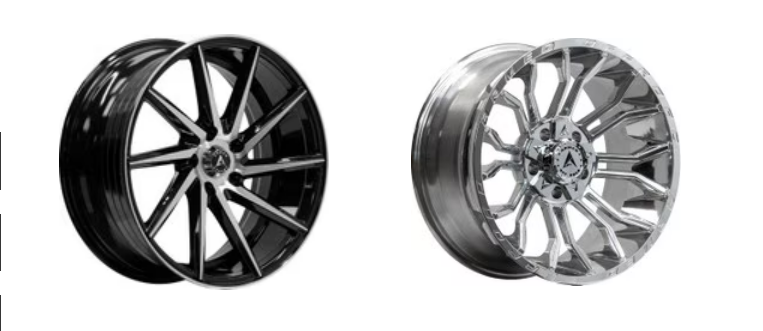
Choosing the right tire and wheel combination is one of the most important decisions you can make for your truck. Go too small, and your truck can look underwhelming. Go too big without planning, and you risk rubbing, poor handling, and premature wear. The key is finding the right balance between fitment, performance, and your intended use.
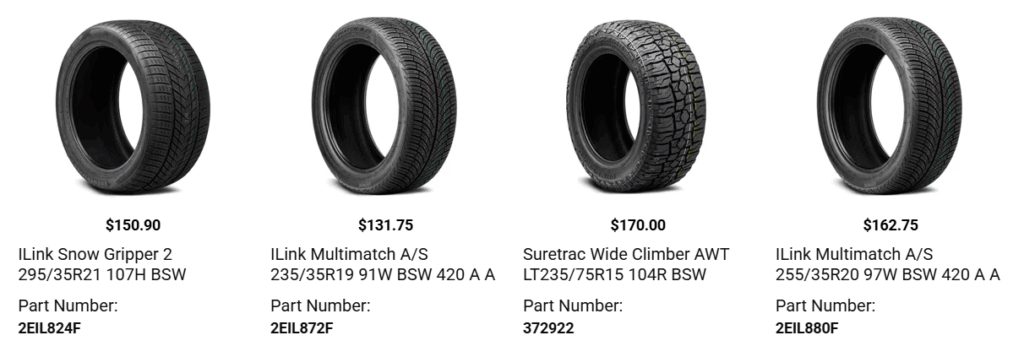
How to find your factory tire size
Before upgrading or replacing your tires, it is essential to start with your truck’s factory specifications. This gives you a reliable baseline for fitment, performance, and safety. Knowing your original tire size helps you make informed decisions and avoid issues like rubbing, incorrect load capacity, or poor handling.
| Location | What to look for | Why it matters |
| Driver’s door jamb | Tire size and recommended pressure sticker | Most accurate and vehiclespecific information |
| Tire sidewall | Size printed on current tires | Useful for replacements, but may not be original |
| Under the hood or fuel door | Additional spec stickers | Can provide backup sizing and vehicle details |
| Owner’s manual | Approved tire sizes for your truck | Shows options based on trim, drivetrain, and configuration |
Understanding tire size formats
Truck tires typically fall into two main sizing categories: metric and flotation. Knowing the difference helps you choose the right setup.
Metric (Pmetric) sizing example: 275/65R18
- 275: Width in millimeters
- 65: Aspect ratio (sidewall height as a percentage of width)
- R: Radial construction
- 18: Wheel diameter in "es
Flotation sizing example: 33x12.50R17
- 33: Overall tire height in "es
- 12.50: Width in "es
- R: Radial construction
- 17: Wheel diameter in "es
Metric vs flotation sizing
| Type | Measured in | Common use | Key benefit |
| Metric | mm + % + "es | Daily driving, highway use | More precise sizing |
| Flotation | "es | Offroad and lifted trucks | Easier to visualize overall size |
What is the biggest tire you can fit?
There is no onesizefitsall answer. It depends on your truck, wheel setup, and suspension.
The 3 percent rule
As a general guideline, you can increase tire size by about 3 percent over factory without major issues on stock suspension. This helps maintain proper speedometer readings and drivability.
Lift and leveling kits
Adding a leveling kit or lift increases clearance, allowing for larger tires. In many cases, each " of lift can accommodate roughly one " of additional tire height.
Wheel offset and width
Wheels play a major role in fitment. An incorrect offset can cause rubbing on suspension components or push the tire too far outward.
Realworld clearance
Clearance is not just about height. You need to consider:
- Turning at full lock
- Suspension travel
- Fender and liner space
- Brake and control arm clearance
Other factors that affect fitment
Choosing the right tire and wheel size is not just about clearance. Your truck’s configuration, how you use it, and the demands you place on it all play a major role in proper fitment. Ignoring these factors can lead to poor performance, safety issues, and premature wear. Before making any changes, it is important to look beyond size and consider how your setup will function in realworld conditions.
| Factor | What it means | Why it matters |
| Trim level differences | Different trims may come with unique wheel and tire specs from the factory | Ensures compatibility with your specific truck configuration |
| Load rating | The amount of weight a tire is designed to safely carry | Prevents overheating, tire failure, and unsafe handling when towing or hauling |
| Driving conditions | How and where you use your truck daily | Helps match tire size and type to performance needs like highway comfort, offroad traction, or winter safety |
Avoiding common mistakes
Many fitment issues come from guessing instead of planning. Here are the most common problems we see:
- Choosing oversized tires without checking clearance
- Ignoring wheel offset and backspacing
- Skipping alignment after installation
- Not accounting for suspension wear
- Prioritizing looks over functionality
Get the right setup the first time
There is no universal answer to what fits every truck. The right setup depends on your vehicle, your goals, and how you drive. Proper fitment is what separates a clean, functional build from one that causes ongoing issues.
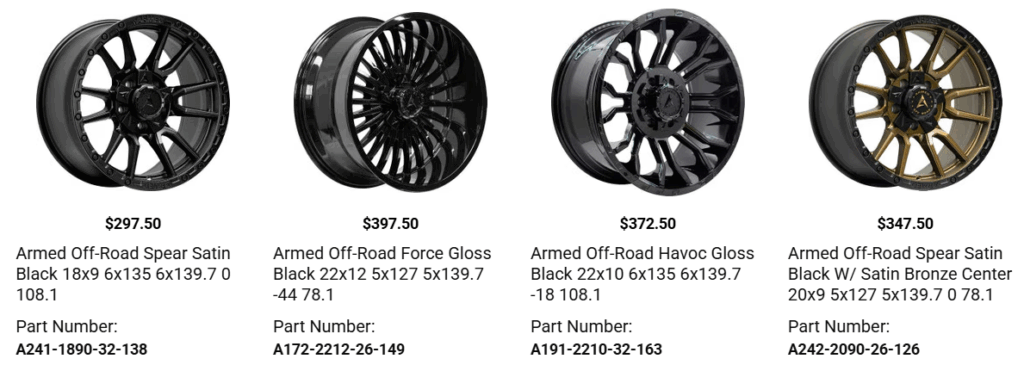
At Canada Custom Autoworks, we take the guesswork out of tire and wheel fitment. Whether you are staying close to stock or planning a full upgrade, we make sure everything works together properly.
Build your truck with confidence
If you are unsure what tire and wheel size will fit your truck, do not take chances. A properly planned setup saves time, money, and frustration.
Contact Canada Custom Autoworks today and let our team help you choose the perfect combination for your truck.