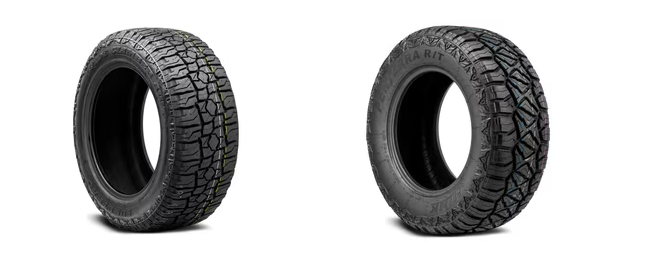
When your truck is used for towing, hauling, or carrying consistent weight in the bed, your tires become one of the most important components on the vehicle. The wrong tire choice can lead to poor handling, premature wear, and even safety risks under load.
At Canada Custom Autoworks, we help customers choose tire setups that are built for real work conditions, not just everyday driving. If you regularly carry heavy loads, understanding what makes a tire capable is essential.
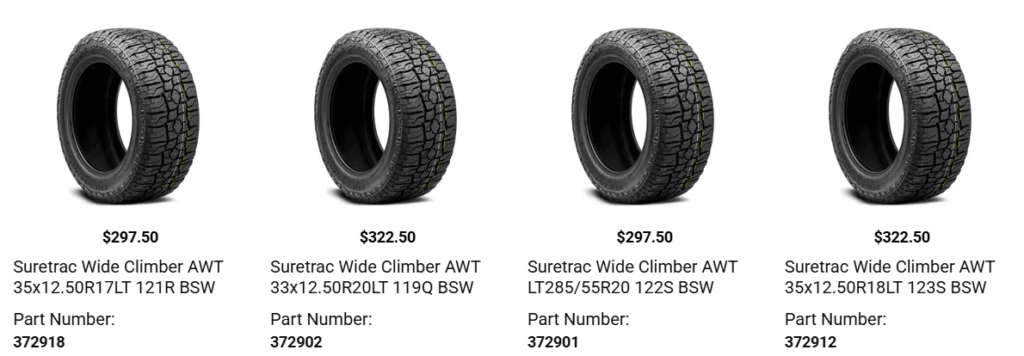
What defines a heavyduty tire
Not all tires are designed to handle weight. Tires built for heavy loads have specific construction features that allow them to carry more stress without compromising performance.
The most important factors include:
Load rating
This determines how much weight each tire can safely support. For trucks used for towing or hauling, a higher load rating is critical.
Ply construction
Heavierduty tires often feature stronger internal layers, commonly referred to as 10 ply or E loadrated. This provides added strength and stability.
Sidewall reinforcement
Stronger sidewalls reduce flex when carrying weight, improving control and preventing damage from heat and road impacts.
Lt tires vs passenger tires
One of the biggest distinctions when choosing tires for heavy loads is the difference between LT tires and passengerrated tires.
Passenger tires are designed for comfort and fuel efficiency. While some may have higher load ratings, they are not built for sustained heavy use.
LT tires are specifically engineered for trucks. They offer:
- Stronger construction
- Higher loadcarrying capacity
- Better durability under stress
- Improved stability when towing
For any truck that regularly hauls or tows, LT tires are the recommended choice.
Understanding load range and pressure
Load range is directly tied to how much weight a tire can handle and how much air pressure it can safely hold.
For heavyduty applications:
Load range E is the most common
These tires can handle higher pressure, often up to 80 PSI.
Higher pressure helps support weight and reduce sidewall flex
Running the correct pressure based on your load is just as important as choosing the right tire. Underinflation under load is one of the fastest ways to damage a tire.
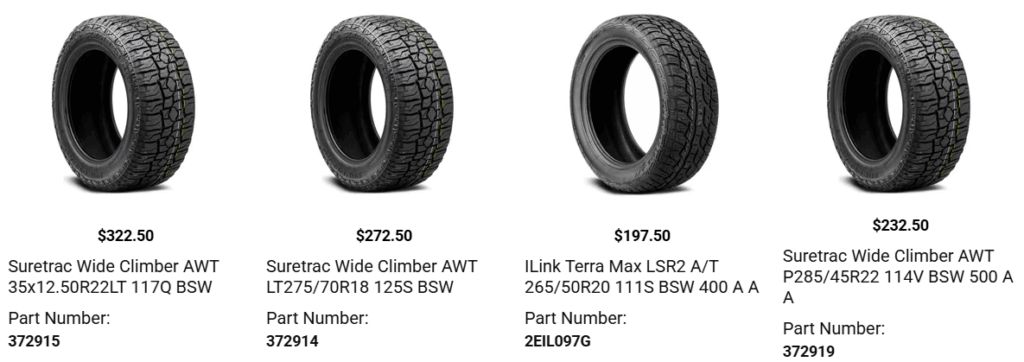
Best tire types for heavy loads
Different tire categories offer different strengths depending on how your truck is used.
Allterrain tires
A solid choice for mixed driving. Many heavyduty allterrain tires are available in LT ratings and provide a balance between comfort, durability, and traction.
Highway terrain tires
Best suited for trucks that spend most of their time on pavement while towing or hauling. These offer long tread life and stable handling under load.
Rugged terrain or hybrid tires
Designed for tougher conditions, these provide stronger construction and better resistance to wear on gravel or job sites while still handling weight effectively.
Mud terrain tires
Built for extreme offroad use. While they can handle weight, they are not always the best choice for daily heavy hauling due to faster wear and reduced onroad comfort.
Why durability matters under load
When a tire is constantly carrying weight, it generates more heat and experiences more stress. Over time, this can lead to:
- Faster tread wear
- Sidewall fatigue
- Reduced traction
- Increased risk of failure
That is why heavyduty tires use tougher rubber compounds and reinforced construction. This helps them resist chunking, cracking, and uneven wear, especially on rough roads.
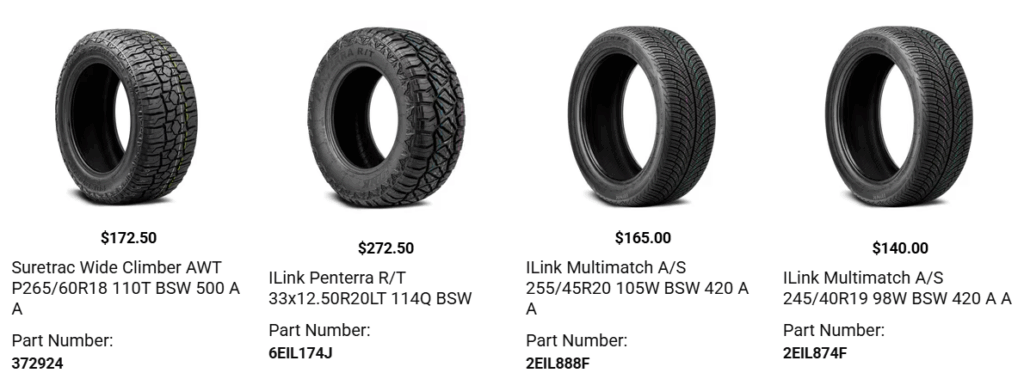
Common mistakes when choosing loadrated tires
We often see avoidable issues when customers choose tires without considering their actual use.
Choosing based on appearance instead of rating
Aggressive tread does not always mean higher load capacity.
Using passenger tires for towing
This leads to instability and shortened tire life.
Ignoring load index requirements
Your tires must meet or exceed your vehicle’s specifications.
Not adjusting tire pressure.
Even the best tire will fail if it is not inflated correctly for the load.
How to choose the right setup
The best tire for heavy loads depends on how you use your truck.
Daily driving with occasional towing
A highquality allterrain tire with an LT rating is usually sufficient.
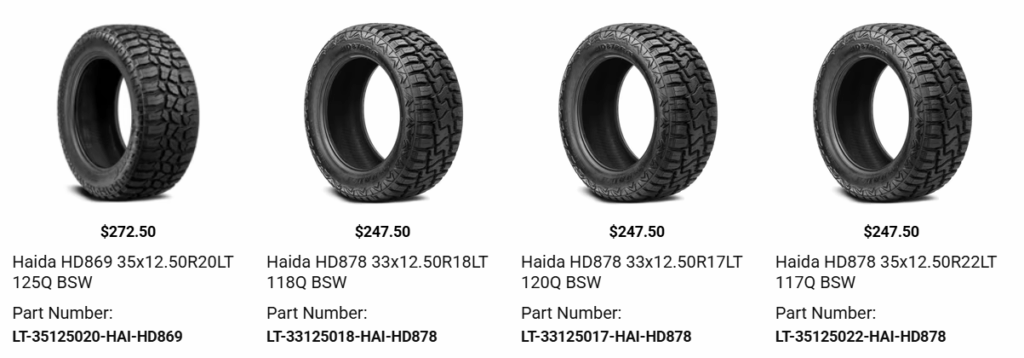
Frequent hauling or work use
A load range E tire with strong sidewalls is the best option for longterm durability.
Heavy loads on rough roads
A rugged terrain tire with cut and chip resistance will perform better and last longer.
Choosing the right tires for heavy loads is about more than just brand names. It comes down to proper load rating, construction, and matching the tire to your driving conditions.
A properly selected tire will improve stability, extend lifespan, and give you confidence whether you are towing, hauling, or working your truck hard every day.
Get the right tires for your truck
At Canada Custom Autoworks, we specialize in building tire and wheel setups that are designed for realworld use. If you are carrying heavy loads and want a setup that performs safely and lasts longer, our team is here to help.