
What Are All-Season Tires?
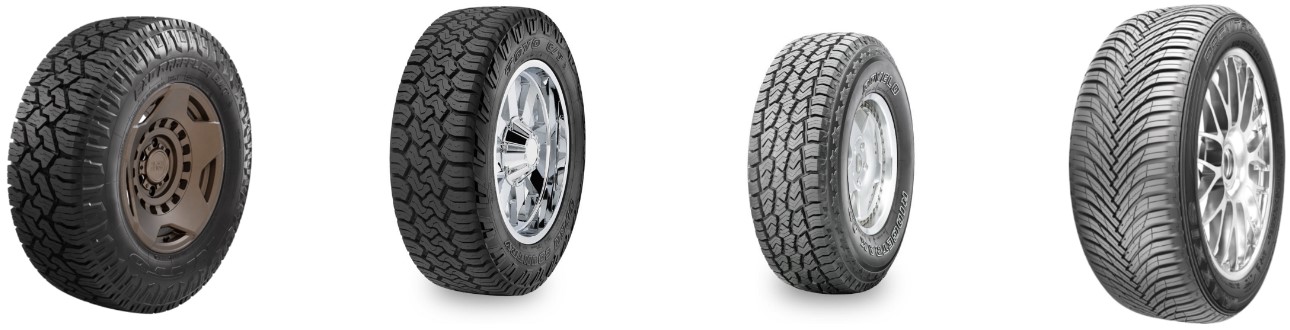
All-season tires are designed to provide a balanced performance across a wide range of weather conditions. They offer good traction in dry, wet, and light snow conditions, making them a versatile option for drivers who want a single set of tires for year-round use. Key Features of All-Season Tires:- Moderate tread depth for both wet and dry conditions.
- Rubber compounds designed to remain flexible in mild cold and hot temperatures.
- Suitable for light snow and wet roads but not optimized for harsh winter conditions.
What Are Winter Tires?
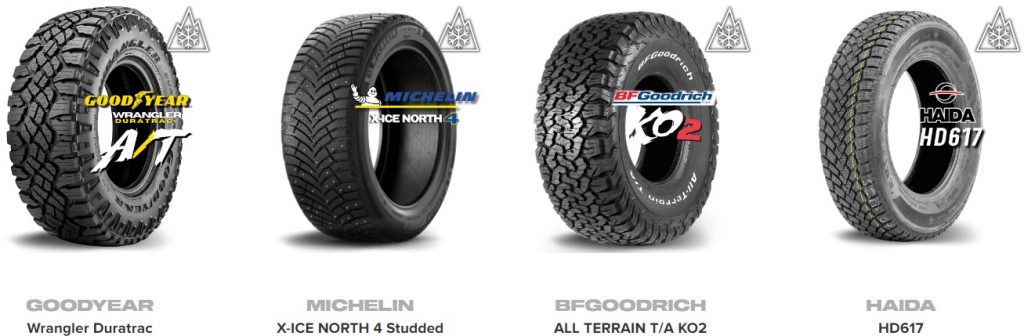
Winter tires, also known as snow tires, are engineered to provide maximum traction in cold temperatures, snow, and ice. They are made with a special rubber compound that stays flexible even in freezing temperatures, allowing the tire to maintain grip on slick surfaces. Key Features of Winter Tires:- Softer rubber compound that stays flexible in cold weather (below 7°C or 45°F).
- Deeper tread patterns and more sipes (small slits in the tread) to grip snow and ice.
- Often available in both studded and non-studded versions for additional traction.
Key Differences Between All-Season and Winter Tires
While both types of tires can handle cold weather to some extent, their performance varies significantly in extreme winter conditions. Winter tires outperform all-season tires when it comes to traction, braking, and control in snow and icy conditions, while all-season tires provide a more balanced performance for year-round driving.Comparison Table: All-Season vs. Winter Tires
| Feature | All-Season Tires | Winter Tires |
| Temperature Range | Suitable for temperatures above 7°C (45°F) | Optimized for temperatures below 7°C (45°F) |
| Tread Design | Moderate tread depth, fewer sipes | Deeper treads with more sipes for ice and snow |
| Rubber Compound | Stiffer rubber for warm and mild cold conditions | Softer rubber for extreme cold flexibility |
| Performance in Snow | Handles light snow and slush | Superior traction in heavy snow and ice |
| Performance on Ice | Limited traction | Excellent traction, especially with studs |
| Longevity | Can be used year-round, moderate wear | Should only be used in winter, wear faster in warm weather |
| Noise and Comfort | Quieter and smoother ride in dry conditions | Louder and rougher on dry roads |
| Best For | Mild winter areas, all-year use | Harsh winter climates, frequent snow and ice |
When to Choose All-Season Tires
All-season tires are ideal if you live in an area with mild winters or minimal snow. They are perfect for regions where temperatures rarely drop below freezing and snow is infrequent or light. The versatility of all-season tires allows drivers to use them throughout the year without the need for seasonal tire changes. Pros of All-Season Tires:- Convenient for year-round use.
- Suitable for moderate climates.
- No need to change tires between seasons.
- Not optimized for heavy snow or icy conditions.
- Reduced performance in extreme cold temperatures.
When to Choose Winter Tires
If you live in a region where winters are harsh, with frequent snow, ice, and freezing temperatures, winter tires are the safer and more reliable option. Winter tires offer superior braking, handling, and traction in cold and icy conditions, significantly improving your vehicle’s performance on winter roads. Pros of Winter Tires:- Superior traction and control in snow, ice, and freezing temperatures.
- Reduced braking distances on icy surfaces.
- Available in studded versions for extreme conditions.
- Not suitable for year-round use—must be switched to summer or all-season tires when winter ends.
- Can wear faster on dry roads in warm temperatures.