Quick Answer
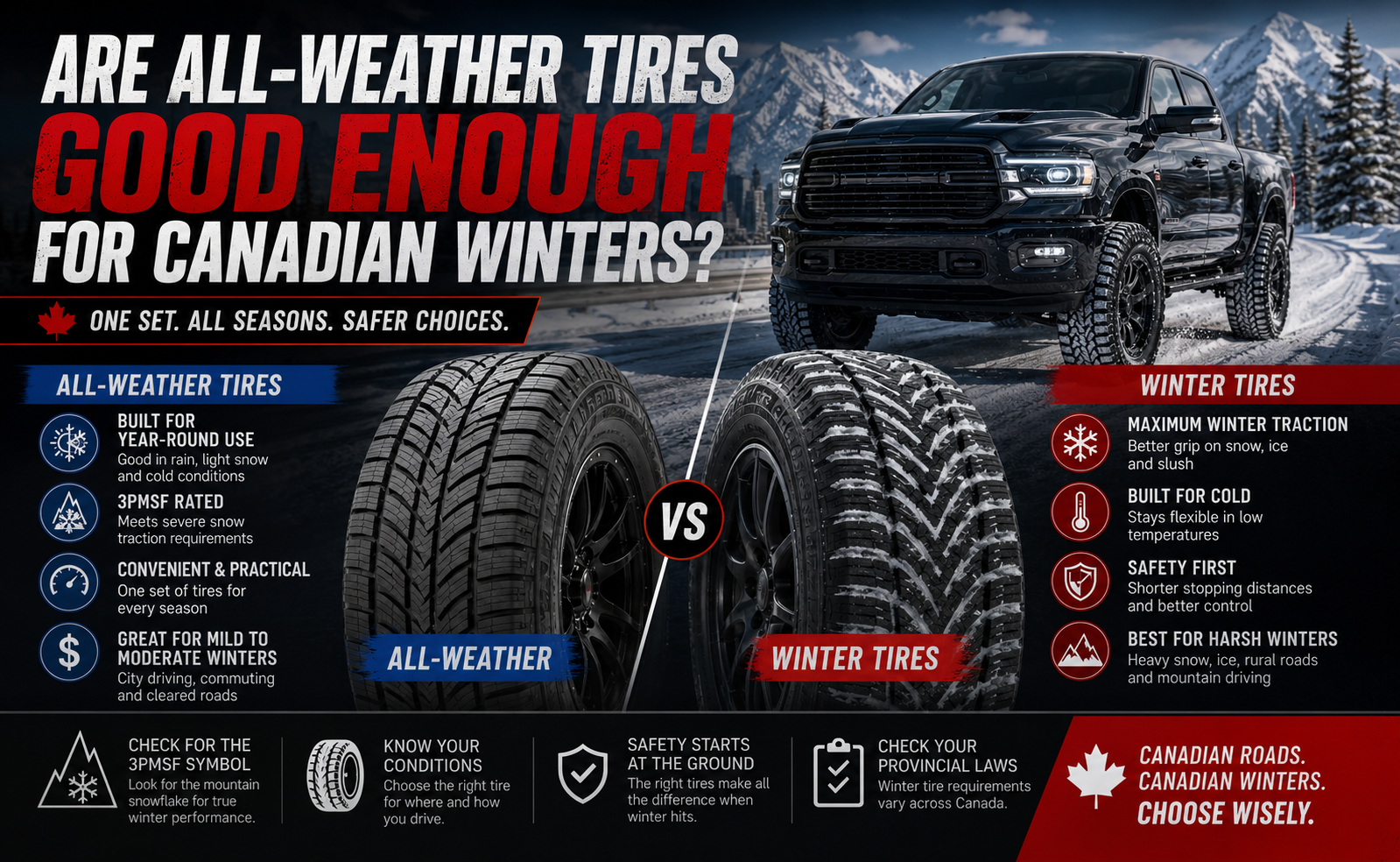
All-weather tires are best for drivers who want one set of tires for the full year and face moderate winter conditions. Winter tires are better for drivers who regularly deal with ice, packed snow, freezing temperatures, steep roads, or long winter highway driving. In Canada, all-weather tires can be a smart compromise, but dedicated winter tires still offer the highest level of winter traction.
What Is the Difference Between All-Weather Tires and Winter Tires?
The main difference is that all-weather tires are designed for year-round use, while winter tires are built specifically for cold weather, snow, and ice.| Feature | All-Weather Tires | Winter Tires |
| Best use | Year-round driving | Winter-only driving |
| Snow traction | Good, if 3PMSF-rated | Usually better |
| Ice traction | Moderate | Better |
| Cold-weather grip | Good | Strongest |
| Summer use | Better than winter tires | Not recommended |
| Convenience | One set all year | Requires seasonal changeover |
| Best for | Mild to moderate winters | Harsh Canadian winters |
When Are All-Weather Tires a Good Choice?
All-weather tires are a good choice if you want convenience and your winter driving conditions are not extreme. They can work well for daily commuters, city drivers, and SUV or crossover owners who want one tire that can handle rain, light snow, slush, and colder temperatures. All-weather tires may be right for you if:- you mostly drive in the city;
- roads are usually plowed quickly;
- you do not drive in deep snow often;
- you want to avoid seasonal tire swaps;
- you want better winter performance than regular all-season tires;
- you drive a car, crossover, SUV, or light truck in moderate winter conditions.
Expert Tip
Always check for the three-peak mountain snowflake symbol before buying all-weather tires for winter use. Without that symbol, the tire may not be suitable for serious winter driving.When Are Winter Tires Better?
Winter tires are better when safety and traction matter more than convenience. They are designed for snow, ice, slush, freezing rain, and low temperatures. For many Canadian drivers, especially outside major cities, winter tires are still the best option. Choose winter tires if:- you drive in heavy snow;
- you often face icy roads;
- you live in a rural or mountain area;
- you drive early mornings or late nights in freezing conditions;
- you travel on highways during winter;
- you want the best possible braking and control in cold weather.
Are All-Weather Tires Safe on Ice?
All-weather tires can handle some icy conditions, but dedicated winter tires are usually better on ice. Ice traction is one of the hardest things for any tire to manage, especially when temperatures drop quickly or roads become polished and slippery. If you mainly drive on cleared roads with occasional icy patches, all-weather tires may be acceptable. If your area regularly gets black ice, freezing rain, or packed snow, winter tires are the smarter choice.All-Weather Tires vs All-Season Tires
All-weather tires are usually better than all-season tires for winter driving. The names can be confusing, but they are not the same thing.| Tire Type | Winter Performance | Best For |
| All-season tires | Limited in real winter conditions | Mild climates and warm-weather driving |
| All-weather tires | Better snow and cold performance | Year-round use in moderate winters |
| Winter tires | Best winter traction | Snow, ice, and severe cold |
Frequently Asked Questions
Who Should Choose All-Weather Tires?
All-weather tires are a strong fit for drivers who want simple, year-round convenience. They are especially useful for people who do not want to store a second set of tires or book seasonal tire changes twice a year.
Good fit for:
- city drivers;
- light snow conditions;
- daily commuting;
- crossovers and SUVs;
- drivers who want one tire set year-round;
- areas with mild to moderate winter weather.
Who Should Choose Winter Tires?
Winter tires are better for drivers who want maximum winter safety and traction.
Better fit for:
- heavy snow areas;
- icy roads;
- rural roads;
- mountain highways;
- frequent winter highway travel;
- trucks and SUVs used in harsh conditions.
Where Can You Buy All-Weather and Winter Tires in Canada?
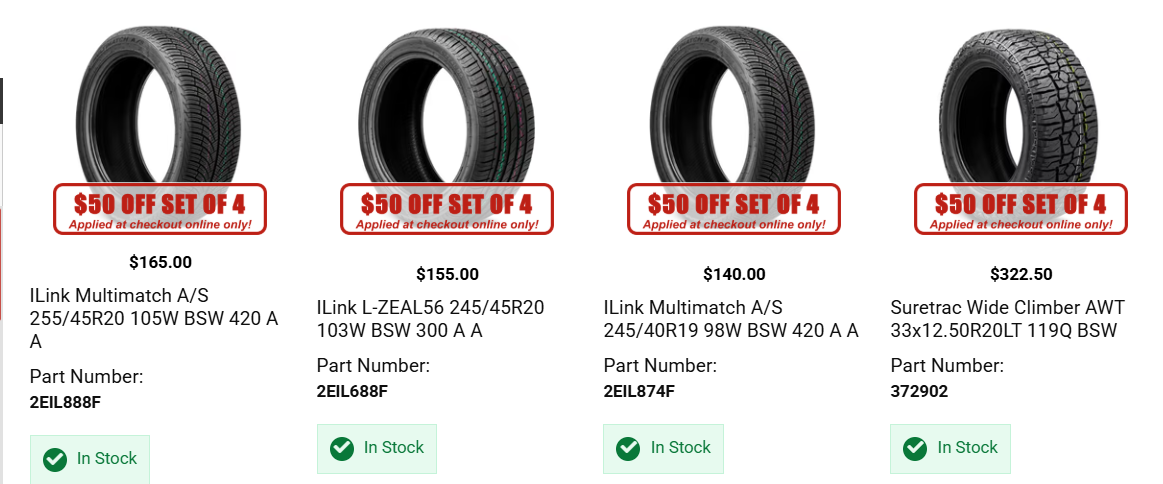
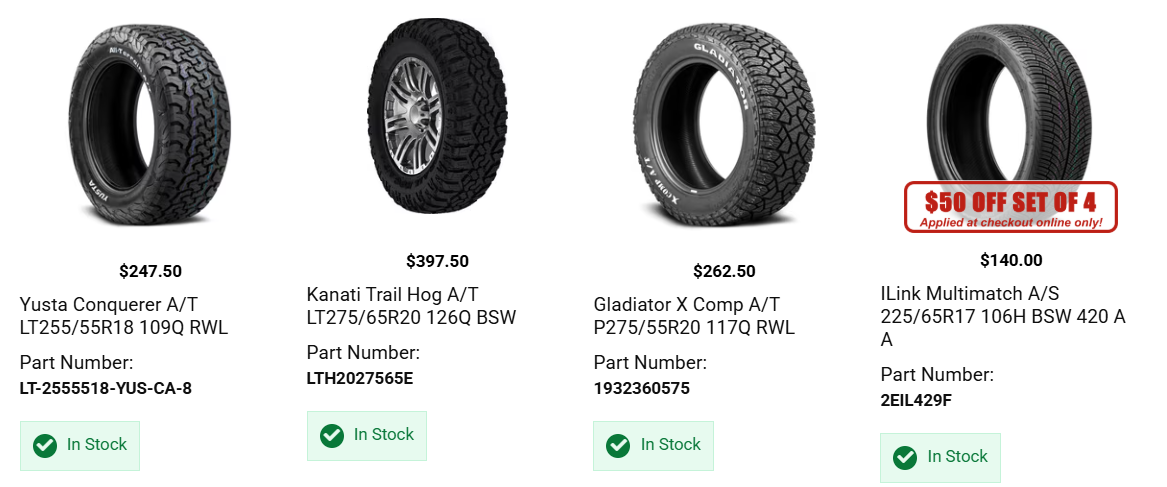
You can buy all-weather and winter tires in Canada from tire shops that offer proper fitment support, installation, balancing, and vehicle-specific recommendations. Canada Custom Autoworks offers tire options for cars, trucks, SUVs, and custom wheel setups, including tires for winter driving, daily commuting, and year-round use.
Before buying, check your tire size, load rating, speed rating, winter symbol, driving conditions, and whether your province has specific winter tire rules.
Are All-Weather Tires Good Enough for Canadian Winters?
All-weather tires can be good enough for Canadian winters if you drive mostly in moderate conditions and choose a quality tire with the proper winter rating. They are convenient, practical, and better in winter than regular all-season tires.
But if you regularly drive through heavy snow, ice, rural roads, mountain passes, or extreme cold, winter tires are still the better choice. For the safest winter performance, dedicated winter tires remain the strongest option for Canadian drivers.