
Types of Tire Damage: Understanding the Core Differences
Not all tire damage is created equal. While a simple nail puncture might be fixed in minutes, sidewall damage or a large gash can render a tire irreparable. Let’s explore the types of damage you might encounter and how they differ.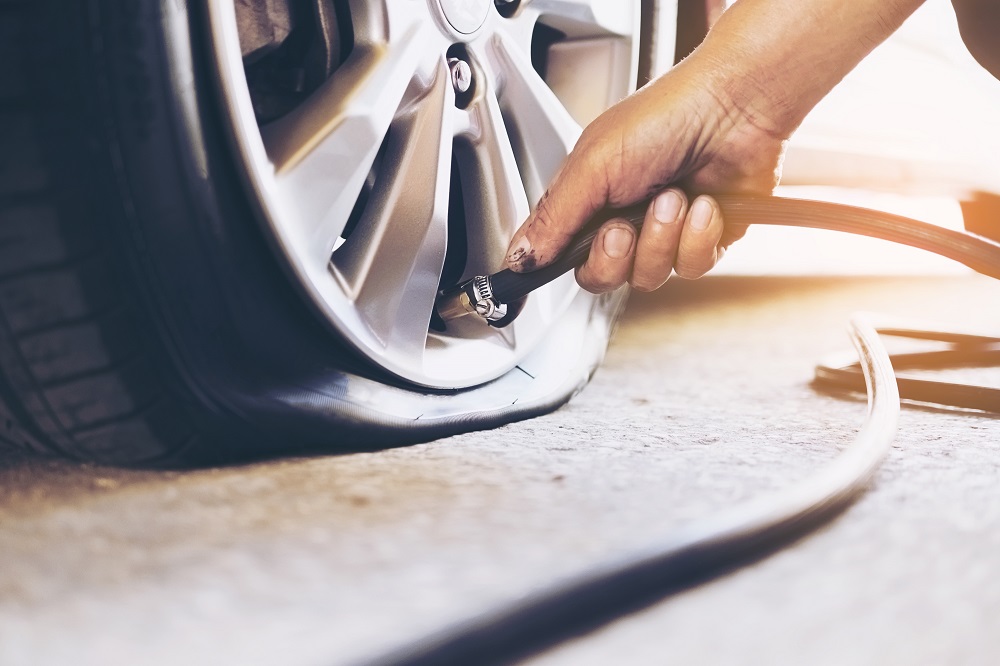
Punctures in the Tread Area
Punctures caused by nails, screws, or sharp debris in the central tread area are the most common type, and fortunately, the most repairable if the puncture is less than ¼ inch (6mm) in diameter and hasn’t been driven on while flat. Professional repairs can restore the tire’s integrity.Sidewall Damage
Any cut, bubble, or puncture in the sidewall is usually beyond repair. Unlike the tread, the sidewall flexes and carries a lot of structural stress. Patching it would compromise the tire’s strength and safety.Multiple Punctures
Two or more punctures located close together can weaken the structure too much to repair safely. Experts recommend maintaining at least 16 inches (about 40 cm) between two repairs on the same tire.Blowouts and Gashes
A blowout or a visible slash is a clear indicator that the tire needs replacing. These damages affect the internal construction, which can’t be restored with a patch or plug.Tire Age and Condition
Even if the puncture seems minor, if your tires are over six years old or worn below the minimum tread depth (2/32 of an inch), it’s better to replace them for your safety.When Tire Repair Is Safe – And When It Isn’t
Knowing the signs of a repairable puncture versus a dangerous one can help you make informed choices. But what does “safe to repair” really mean? Let’s break it down with a few real-world examples.Location Matters
Damage in the central tread area is generally repairable, but anything near or on the shoulder or sidewall should be avoided. Even a small side puncture can lead to dangerous blowouts under pressure.Size of the Puncture
A small puncture less than ¼ inch wide is typically okay to repair with a plug-and-patch combo. Larger holes may cause internal structural damage and cannot be safely restored.Speed and Time of Discovery
Driving on a flat tire causes sidewall separation and internal weakening. If you noticed the flat quickly and didn’t drive far, you might be in the clear. Otherwise, replacement is your safest option.Previous Repairs
A tire with multiple patches can still be used if each repair meets safety criteria, but repeated damage increases the risk of failure.Professional Inspection
Never guess when it comes to your tires. A professional assessment, like the one offered at Canada Custom Autoworks, ensures you’re not taking unnecessary risks.
Types of Tire Repair: Plug vs. Patch vs. Combination
Tire repair isn’t a one-size-fits-all solution. Understanding the repair techniques used by professionals can help you decide what’s best for your vehicle.Tire Plug
Quick and cheap, plugs fill the hole from the outside. While they might work in emergencies, they don’t seal the inner liner or fully restore the tire’s strength, making them a temporary solution.Tire Patch
A patch seals the inner liner and is more reliable than a plug. However, it doesn’t fill the hole from the outside, which leaves room for potential water and air intrusion.Plug-and-Patch Combination
This is the gold standard. The plug seals the hole, and the patch secures the interior, ensuring long-lasting durability and air-tightness.Mushroom Plug Patch
Used by many tire shops, including Canada Custom Autoworks, this technique combines both methods into a single unit, offering maximum safety and lifespan.Bead-to-Bead Repair (Special Cases)
In some industrial or off-road tires, full liner repairs can be done-but these are exceptions and not applicable to everyday passenger vehicles.Expert Advice from Canada Custom Autoworks
The specialists at Canada Custom Autoworks have seen every type of tire damage imaginable-and they offer this essential advice for everyday drivers:- Don’t DIY tire repairs unless you’re experienced. Temporary kits are just that- temporary.
- Always check tire pressure after any repair and monitor it over time.
- Don’t delay repairs. Even a small puncture can worsen with time or temperature changes.
- Invest in quality tires. Cheap ones are more prone to damage and wear.
- Inspect tread depth regularly. A tire with low tread, even if repairablen’t perform safely on wet or icy roads.
Tire Repair vs. Replacement
| Criteria | Repairable Tire | Tire Needs Replacement |
| Puncture Location | Center of tread | Sidewall or shoulder |
| Puncture Size | ≤ ¼ inch (6mm) | > ¼ inch or irregular tear |
| Number of Damages | One or two, widely spaced | Multiple or close together |
| Condition of Tire | Good tread, no aging | Worn out or over 6 years old |
| Type of Damage | Clean nail/screw puncture | Gash, blowout, or internal damage |
| Driven on When Flat | No | Yes |
| Cost | Lower, shorter downtime | Higher, but long-term safety |