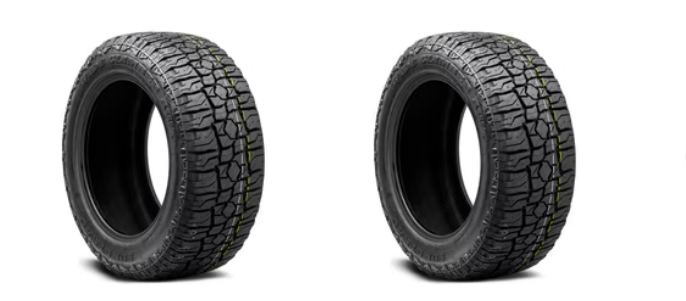
How do bigger tires change braking performance
Increased rotational mass
Larger tires are heavier than stock ones, especially when paired with bigger or heavier aftermarket wheels. This added weight creates more rotational mass, meaning your brakes must work harder to slow the tires down. The result is reduced braking efficiency, particularly during repeated stops.Longer stopping distances
Bigger tires increase the overall momentum of your vehicle. Because of this, it takes more distance to come to a complete stop. This effect becomes more noticeable at higher speeds or in emergency braking situations where every meter counts.Increased strain on brake components
When your braking system works harder, components like brake pads, rotors, and calipers experience more stress. Over time, this can lead to faster wear, reduced performance, and the need for more frequent maintenance or upgrades.Reduced braking leverage
As tire diameter increases, the effective leverage of your braking system decreases. In simple terms, the brakes have less mechanical advantage over a larger tire, making it harder to slow the vehicle as efficiently as with stocksized tires.Additional factors that influence braking
| Factor | How it affects braking |
| Wheel weight | Heavier wheels add to the total rotating mass and increase the stopping distance |
| Tire type | Aggressive offroad tires often have softer compounds and larger tread blocks, reducing grip on pavement |
| Road conditions | Wet, snowy, or icy roads amplify the impact of larger tires on braking performance |
| Suspension setup | Lifted trucks may shift weight distribution, affecting stability under braking |
| Brake system condition | Worn pads or rotors will struggle even more with larger, heavier tires |
When the impact becomes noticeable
Not every tire upgrade dramatically affects braking. Small increases in size, such as moving up one size from stock, may only result in minor changes. However, the impact becomes much more noticeable when:- Moving to significantly larger sizes, such as 33″ or 35″ tires
- Adding heavier wheel and tire combinations
- Driving at highway speeds or towing heavy loads
- Operating in wet or winter conditions
How to maintain safe braking with bigger tires
Upgrading to larger tires can change how your truck stops, but the right approach can keep your braking performance safe and predictable. Bigger tires add weight and increase stopping demands, so it is important to support your vehicle with the right components and driving habits. With proper planning, you can enjoy the benefits of larger tires without compromising control or safety.| Recommendation | Why it matters | What to do |
| Choose the right wheel and tire combination | Heavier setups increase rotational mass and strain on brakes | Select lighter wheels and avoid unnecessarily heavy tire options |
| Upgrade braking components | Stock brakes may struggle with larger, heavier tires | Install high performance pads, larger rotors, or a big brake kit for improved stopping power |
| Maintain your braking system | Increased load accelerates wear on brake components | Inspect brakes regularly and replace pads and rotors as needed |
| Adjust driving habits | Larger tires require more distance to stop safely | Brake earlier, leave more space, and avoid sudden hard stops when possible |