How do you choose between all-terrain and highway tires for summer driving conditions?
Posted on
Summer has a way of exposing the truth about your tires. A set that felt “good enough” in mild weather can suddenly become noisy on hot pavement, vague in heavy rain, or uncomfortable during long highway trips. At the same time, summer is when many drivers leave their usual routes behind, heading to cottages, campsites, construction sites, lakes, gravel roads, mountain trails, and rural properties.That is why the choice between all-terrain and highway tires matters. Both can be excellent, but they are designed with different priorities. Highway tires are made for smooth pavement, road comfort, quiet driving, and efficiency. All-terrain tires are made for drivers who need more strength and traction when the road surface becomes loose, rough, or unpredictable.The right choice depends less on the vehicle itself and more on how the vehicle is used. A pickup truck that spends 95% of its time on city streets may be better served by highway tires. A midsize SUV that regularly travels on gravel roads, cottage lanes, or job sites may benefit from all-terrain tires. Choosing correctly means balancing comfort, durability, traction, fuel economy, road noise, and long-term value.
What are highway tires?
Highway tires are designed primarily for paved roads. They are common on SUVs, pickup trucks, vans, crossovers, and light trucks used for commuting, family travel, towing on pavement, and long-distance driving.Their tread patterns are usually less aggressive than all-terrain tires. The tread blocks are closer together, the grooves are designed to move water efficiently, and the overall construction focuses on smooth road contact.Highway tires typically offer:
Quiet performance on pavement
Better fuel economy
Smoother ride comfort
Predictable handling at highway speeds
Strong wet-road performance
Longer tread life when used mostly on pavement
For summer driving, highway tires are often the best choice for drivers who spend most of their time on asphalt, especially in urban areas or on long highway routes.
What are all-terrain tires?
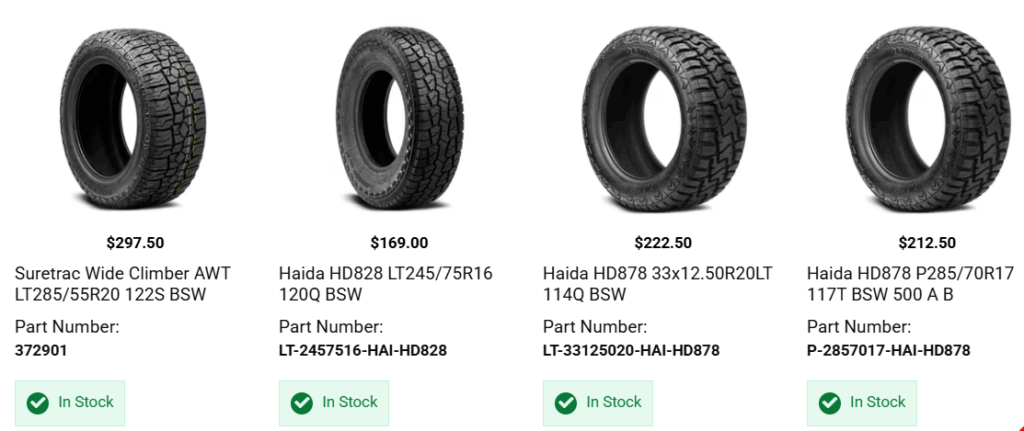
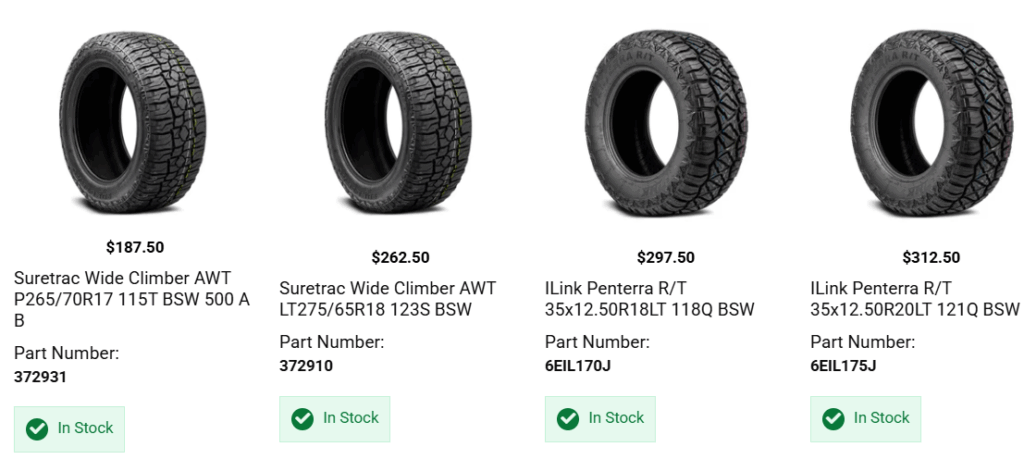
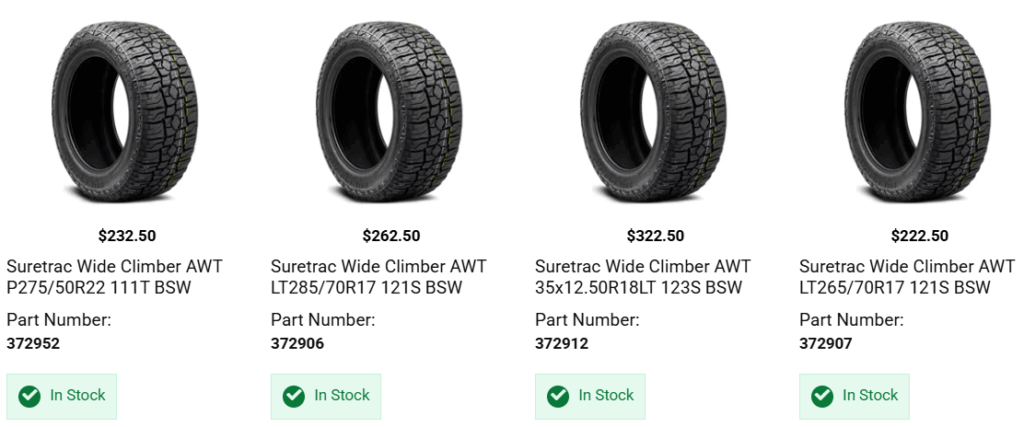
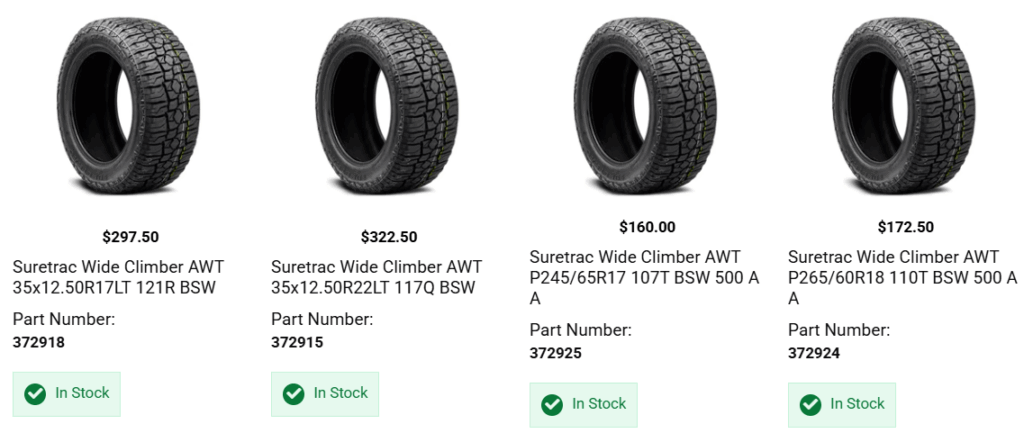
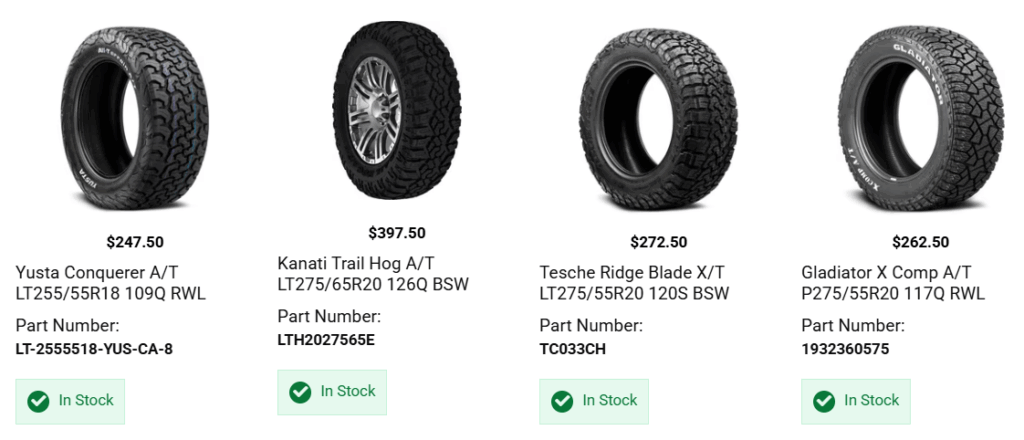
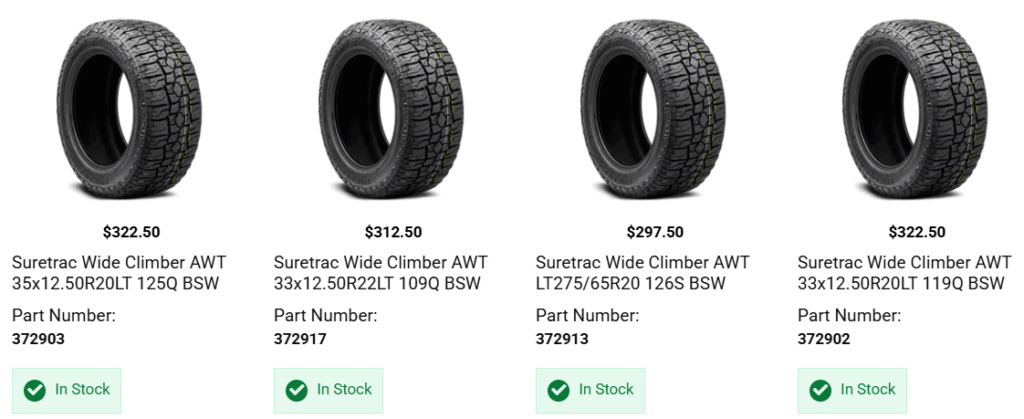
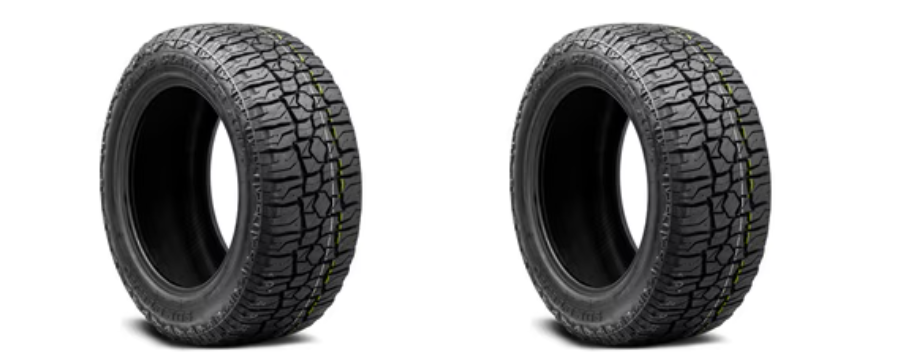
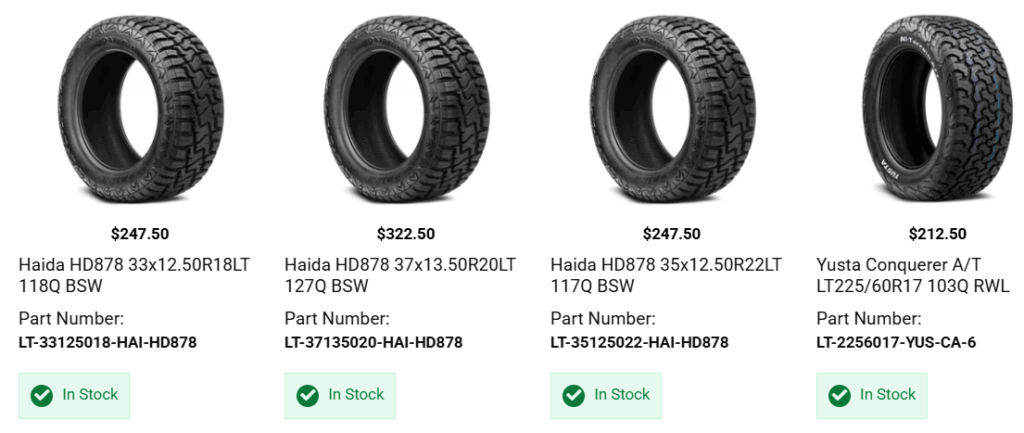
All-terrain tires are built to handle a wider variety of surfaces. They are designed for pavement, gravel, dirt, grass, light mud, unpaved roads, construction areas, and rougher driving environments.Compared with highway tires, all-terrain tires usually have larger tread blocks, wider spacing between tread elements, stronger sidewalls, and a more rugged overall build. This helps them grip loose surfaces and resist damage from rocks, ruts, and debris.All-terrain tires typically offer:
Better traction on gravel and dirt
More durability on rough roads
Improved resistance to cuts and punctures
A more rugged appearance
Better performance on loose or uneven surfaces
More confidence for rural, recreational, or work-related driving
However, this added capability comes with trade-offs. All-terrain tires can be louder, heavier, less fuel-efficient, and less comfortable than highway tires on smooth pavement.
How does summer weather affect tire choice?
Summer driving creates specific demands. Hot pavement, sudden rainstorms, longer trips, heavier loads, and higher speeds all affect tire performance.Heat is especially important. As pavement temperatures rise, tires flex more and generate more internal heat. A tire that is not suited to sustained highway driving can wear faster or feel less stable. Highway tires are usually optimized for this kind of heat management on paved roads.Rain is another major factor. Summer storms can create standing water, especially on highways. Highway tires usually have tread channels designed to move water away from the contact patch efficiently. This improves wet braking and helps reduce hydroplaning risk.All-terrain tires can perform well in summer, but their strengths are broader. They are not always as refined on wet asphalt as a quality highway tire. Their tread design is meant to work across multiple surfaces, not only smooth pavement.
Which tire is better for paved roads?
For paved roads, highway tires are usually the better option. They are quieter, smoother, and more efficient. They also tend to provide a more stable steering feel during long highway drives.This matters if you use your vehicle for:
Daily commuting
Family road trips
Highway travel
City driving
Airport runs
Business use
Towing trailers on paved roads
All-terrain tires can still be used on pavement, but they often feel more rugged. You may notice more road noise, firmer ride quality, and slightly slower steering response, depending on the tire model.If your summer driving is almost entirely on paved roads, all-terrain tires may give you the capability you rarely use while reducing comfort and efficiency every day.
Which tire is better for gravel, dirt, and rough roads?
All-terrain tires are the clear choice for gravel, dirt, and rough roads. Their deeper tread and stronger construction help them maintain grip where highway tires can struggle.This is especially relevant for drivers who regularly visit:
Campsites
Lakeside properties
Farms
Rural homes
Construction sites
Forest roads
Hunting or fishing areas
Unpaved cottage roads
Highway tires can handle occasional gravel roads if driven carefully, but they are more vulnerable to cuts, chips, and sidewall damage. They also do not provide the same grip on loose surfaces.If rough roads are part of your normal summer routine, all-terrain tires are usually worth the trade-off.
How do all-terrain and highway tires compare in rain?
On wet pavement, highway tires often perform better because their tread patterns are optimized for water evacuation and consistent contact with asphalt.A good highway tire can provide:
Shorter wet braking distances
Better resistance to hydroplaning
More predictable cornering
Quieter wet-road performance
All-terrain tires can still be safe in rain, especially modern premium models, but tread aggressiveness does not automatically mean better wet-road grip. Wide voids and large tread blocks help on loose surfaces, but wet pavement requires stable rubber contact and efficient water movement.For drivers in areas with frequent summer downpours, wet-road ratings should be a major part of the decision.
How do they compare in dry summer handling?
On dry pavement, highway tires usually feel more precise. Their tread design creates a stable contact patch, which improves steering response and road feel.All-terrain tires may feel slightly less sharp because their larger tread blocks can flex more under cornering or braking. This does not mean they are unsafe, but the driving feel is different.For sporty SUVs, highway-focused trucks, and family vehicles used mostly on pavement, highway tires usually deliver a more controlled and comfortable summer driving experience.
Which tire is better for towing and hauling?
The answer depends on where you tow or haul.For towing on highways, highway tires are often better. They provide stable tracking, lower rolling resistance, and better road comfort during long drives.For towing or hauling on gravel, dirt, or job sites, all-terrain tires may be better because they offer more traction and durability on unstable surfaces.Load rating is also critical. Whether you choose highway or all-terrain tires, make sure the tire’s load index and speed rating match your vehicle’s requirements and how you use it. A tire type alone does not guarantee towing capability.
Do all-terrain tires wear faster in summer?
They can, especially if used mostly on hot pavement. All-terrain tires have deeper, more aggressive tread blocks that may wear unevenly if they are not rotated regularly or if the vehicle’s alignment is off.Heat, heavy loads, and long highway speeds can accelerate tread wear. Highway tires are usually better optimized for continuous pavement use, so they may last longer for drivers who rarely leave the road.That said, tire quality matters. A premium all-terrain tire may outlast a low-quality highway tire. Maintenance also plays a major role.To extend tire life in summer:
Check tire pressure regularly
Rotate tires on schedule
Keep the vehicle aligned
Avoid overloading
Inspect for cuts or uneven wear
Adjust pressure according to load when required
How important is road noise?
Road noise is one of the biggest differences drivers notice.Highway tires are usually quieter because their tread patterns are designed to reduce vibration and sound on pavement. This makes a major difference during long trips, especially in SUVs, vans, and trucks with large tire sizes.All-terrain tires usually produce more noise because of their open tread design. Some modern all-terrain tires are much quieter than older designs, but they still tend to be louder than highway tires.If cabin comfort matters, highway tires have the advantage.
How do tire choices affect fuel economy?
Highway tires usually offer better fuel economy because they are lighter and have lower rolling resistance. Rolling resistance is the energy required to keep the tire moving. The more resistance a tire creates, the more fuel the vehicle uses.All-terrain tires are often heavier and more aggressive. This can slightly reduce fuel efficiency, especially during city driving and long highway trips.The difference may not seem dramatic day to day, but over thousands of summer kilometres, it can add up.
Are all-terrain tires safer than highway tires?
Not automatically. Safety depends on the driving environment.All-terrain tires are safer when you need traction and durability on gravel, dirt, or rough terrain. Highway tires are often safer on paved roads, especially in wet conditions, because they are designed for braking, handling, and water evacuation on asphalt.The safest tire is the one that matches the surface you drive on most often.
Are highway tires suitable for SUVs and pickup trucks?
Yes. Many SUVs and pickup trucks are used mainly on paved roads, making highway tires a very practical choice.A truck does not automatically need all-terrain tires. If it is used for commuting, errands, highway travel, light towing, and family driving, highway tires may be the smarter option.All-terrain tires make more sense when the vehicle is regularly used for work sites, gravel roads, outdoor recreation, or rural travel.
What if you only go off-road occasionally?
Occasional off-road use does not always justify all-terrain tires. If you drive on gravel roads a few times per year, a quality highway tire may be enough, provided you drive carefully.However, all-terrain tires become more attractive if those occasional trips involve:
Sharp rocks
Deep gravel
Muddy access roads
Remote areas
Heavy loads
Poorly maintained roads
Steep dirt inclines
The risk of tire damage matters. If a puncture or sidewall cut would leave you stranded far from help, all-terrain tires may be worth it even if you do not use them every day.
How should city drivers choose?
City drivers are usually better served by highway tires. Stop-and-go traffic, smooth roads, parking lots, and short commutes do not require aggressive tread.Highway tires give city drivers:
Better comfort
Less noise
Better fuel economy
Strong wet-road performance
Easier everyday handling
All-terrain tires may still appeal visually, especially on trucks and SUVs, but for city use they are often more about appearance than necessity.
How should rural drivers choose?
Rural drivers often benefit from all-terrain tires, especially if they deal with gravel roads, farm lanes, dirt driveways, or uneven surfaces.Even in summer, rural roads can be unpredictable. Loose gravel, washboard surfaces, potholes, mud after rain, and road debris can all challenge highway tires.For rural drivers, durability may matter more than silence or fuel economy.
What about appearance?
All-terrain tires often have a more aggressive, rugged look. Many drivers choose them because they make trucks and SUVs look more capable.There is nothing wrong with considering appearance, but it should not be the only reason. If your driving is mostly on pavement, you may be accepting more noise, more fuel consumption, and less comfort just for the look.Highway tires have a cleaner, more refined appearance and suit vehicles used for road travel, business use, and daily commuting.
How much off-road driving justifies all-terrain tires?
A useful guideline is this: if 20–30% of your summer driving involves gravel, dirt, job sites, rough roads, or remote access routes, all-terrain tires are worth considering.If 90–95% of your driving is on pavement, highway tires are usually the better choice.The percentage is not the only factor, though. Severity matters. Even a small amount of harsh off-road use may justify all-terrain tires if the terrain is rough enough.
What should you check before buying either tire?
Before choosing, consider:
Your vehicle type
Tire size
Load rating
Speed rating
Tread life warranty
Wet traction performance
Road noise rating
Fuel economy expectations
Sidewall strength
Towing or hauling needs
Main driving surfaces
Summer travel plans
You should also check whether your vehicle requires specific tire ratings. This is especially important for trucks, SUVs, and vehicles used for towing.
When should you choose highway tires?
Choose highway tires if your summer driving is mostly on pavement and you want the best balance of comfort, efficiency, and quiet performance.They are ideal for:
Daily commuters
Family SUVs
Long-distance drivers
Highway towing
City vehicles
Drivers who prioritize comfort
Vehicles that rarely leave paved roads
Highway tires are the practical choice for drivers who want refinement and predictable road performance.
When should you choose all-terrain tires?
Choose all-terrain tires if your summer driving includes mixed surfaces and you need added toughness.They are ideal for:
Cottage road driving
Gravel roads
Dirt roads
Light off-road use
Work trucks
Construction sites
Outdoor recreation
Rural properties
Drivers who need extra sidewall durability
All-terrain tires are the better choice when pavement is only part of the story.
What is the best choice for most summer drivers?
For most drivers who stay on paved roads, highway tires are the better summer option. They are quieter, smoother, more efficient, and usually better suited to hot asphalt and wet highways.For drivers who regularly leave pavement, all-terrain tires are the better investment. They provide durability and traction that highway tires cannot match on loose or rough surfaces.The decision should be based on real driving habits, not just vehicle style. A rugged truck used for commuting may need highway tires. A family SUV used for camping and gravel routes may need all-terrain tires.Choosing between all-terrain and highway tires for summer driving is a matter of matching the tire to the road ahead. Highway tires reward drivers with comfort, fuel efficiency, quietness, and strong paved-road performance. All-terrain tires offer confidence, durability, and traction when summer driving takes you beyond smooth asphalt.The best tire is not the most aggressive one or the most expensive one. It is the one that supports your actual driving conditions. If your summer is built around highways, city streets, and long paved routes, highway tires make the most sense. If your summer includes gravel, dirt, work sites, or remote destinations, all-terrain tires are the better fit.
 That is why the choice between all-terrain and highway tires matters. Both can be excellent, but they are designed with different priorities. Highway tires are made for smooth pavement, road comfort, quiet driving, and efficiency. All-terrain tires are made for drivers who need more strength and traction when the road surface becomes loose, rough, or unpredictable.
The right choice depends less on the vehicle itself and more on how the vehicle is used. A pickup truck that spends 95% of its time on city streets may be better served by highway tires. A midsize SUV that regularly travels on gravel roads, cottage lanes, or job sites may benefit from all-terrain tires. Choosing correctly means balancing comfort, durability, traction, fuel economy, road noise, and long-term value.
That is why the choice between all-terrain and highway tires matters. Both can be excellent, but they are designed with different priorities. Highway tires are made for smooth pavement, road comfort, quiet driving, and efficiency. All-terrain tires are made for drivers who need more strength and traction when the road surface becomes loose, rough, or unpredictable.
The right choice depends less on the vehicle itself and more on how the vehicle is used. A pickup truck that spends 95% of its time on city streets may be better served by highway tires. A midsize SUV that regularly travels on gravel roads, cottage lanes, or job sites may benefit from all-terrain tires. Choosing correctly means balancing comfort, durability, traction, fuel economy, road noise, and long-term value.