Understanding Off-Road Tire Types
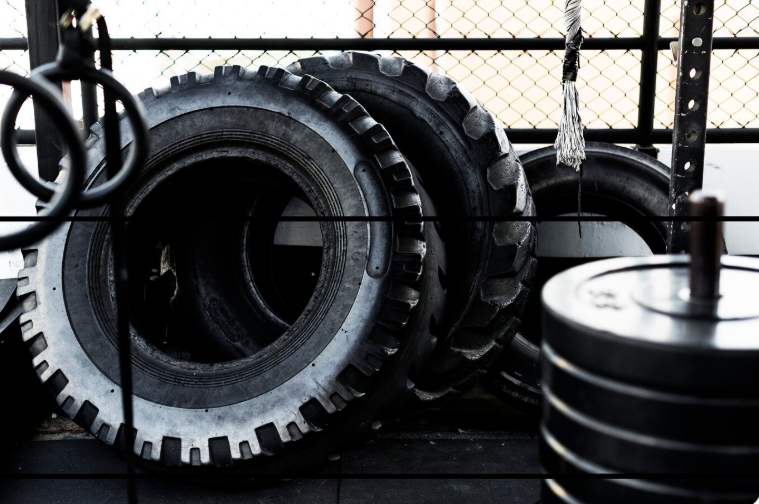
Off-road tires come in several categories, each tailored to specific terrains and driving styles. The most common types include All-Terrain (A/T), Mud-Terrain (M/T), and Hybrid or Rugged-Terrain (R/T) tires. Each has unique tread patterns, rubber compounds, and sidewall designs meant to perform in specific off-road conditions.- All-Terrain (A/T) tires are ideal for drivers who split their time between paved roads and off-road trails. They offer a balanced blend of comfort, traction, and noise control.
- Mud-Terrain (M/T) tires are built for extreme conditions such as deep mud, rocks, and aggressive slopes. They feature large, open tread blocks that clear debris quickly.
- Hybrid/Rugged-Terrain (R/T) tires bridge the gap between A/T and M/T, providing off-road performance with slightly better on-road manners than a full M/T tire.
The Role of Rims in Off-Road Performance
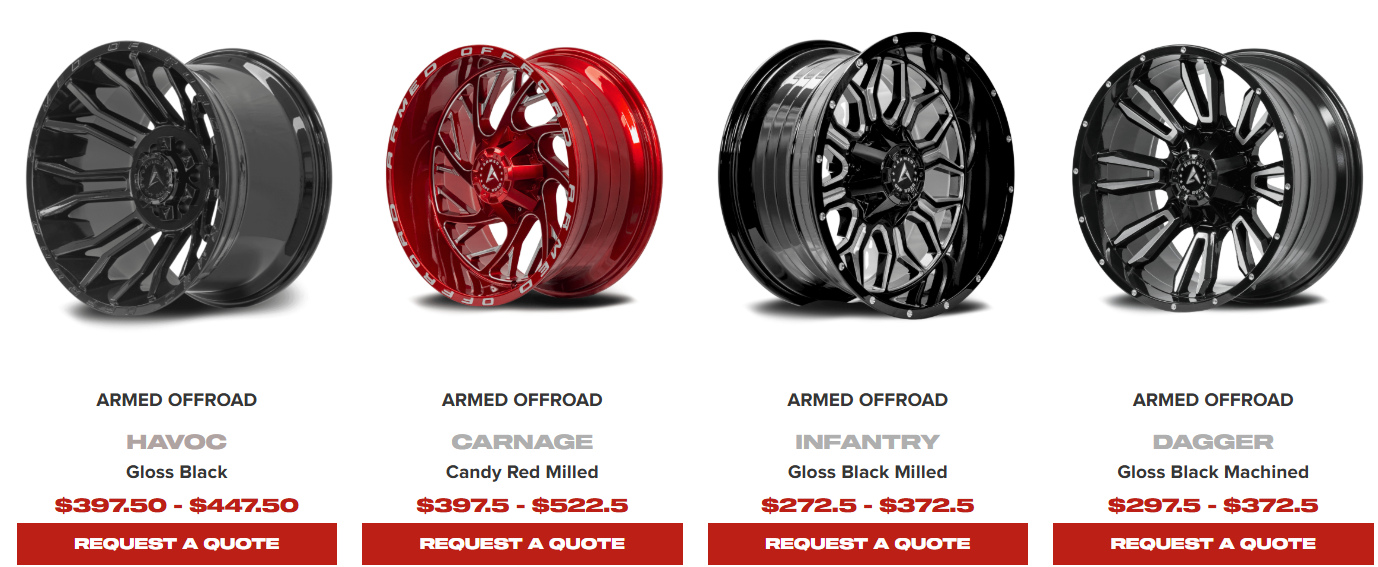
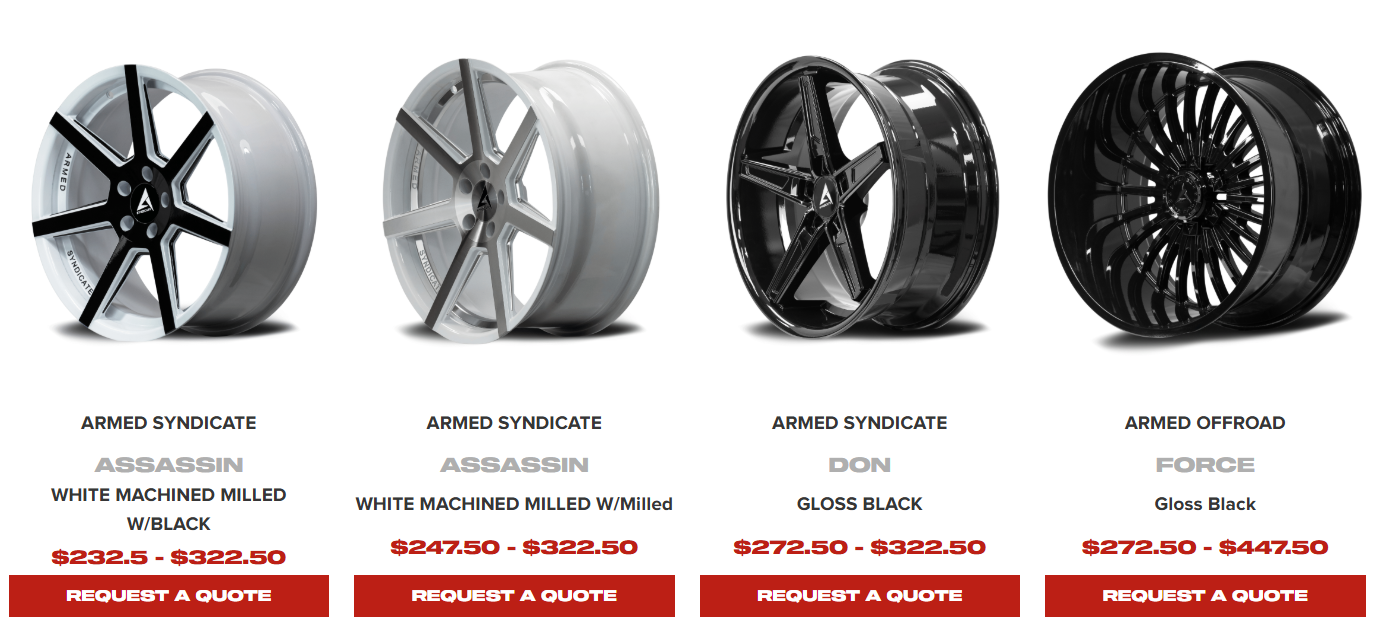
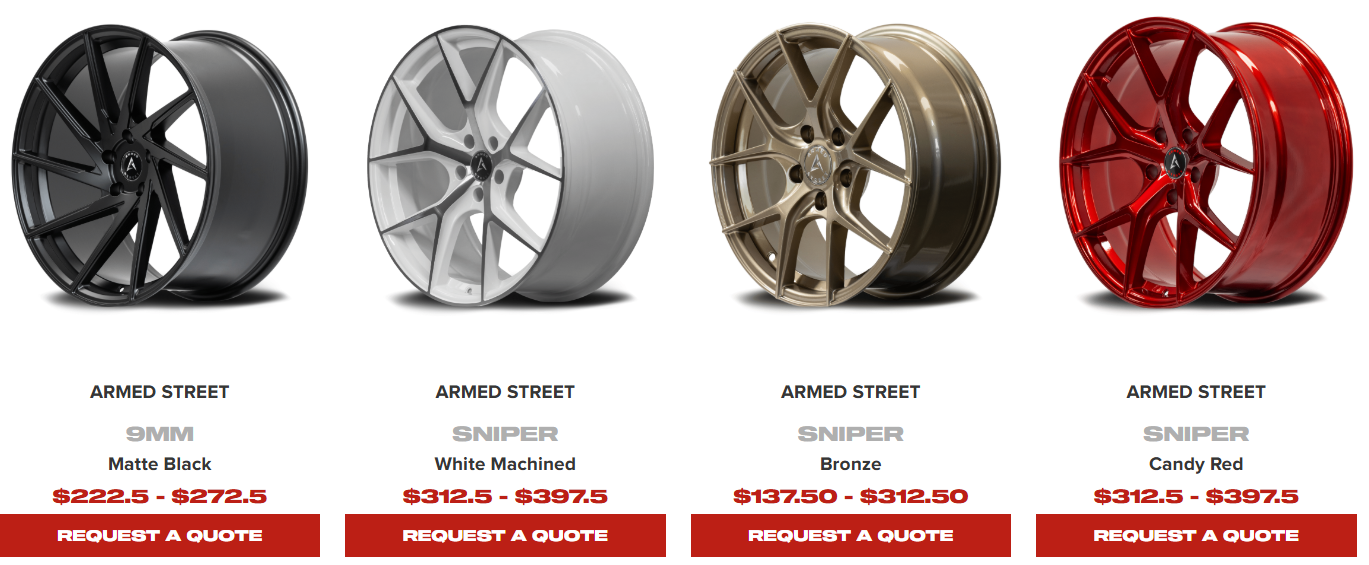
Many off-road enthusiasts focus only on tires, but rims play an equally critical role. Off-road rims need to handle heavy impacts, harsh conditions, and fluctuating tire pressures. Materials matter here: steel rims are tough and affordable, making them a favourite for rock crawlers, while alloy rims are lighter and stylish, often preferred by overlanders and weekend adventurers. You also need to consider rim width and diameter. Wider rims can support larger, more aggressive tires, but they can also expose the sidewall to more damage. Smaller-diameter rims with taller tires are often better for crawling and snow conditions. Offset and backspacing affect your suspension clearance and how far the wheels stick out. Be cautious with changes – an incorrect offset can stress components or cause rubbing.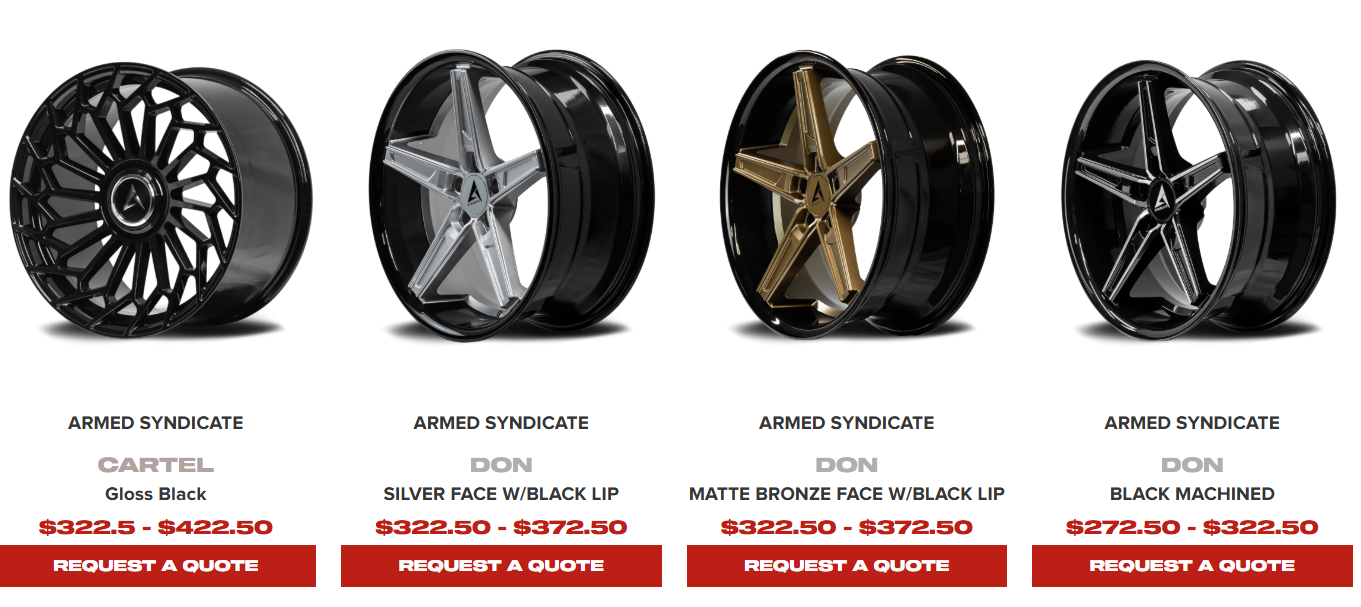
How to Choose the Right Tire and Rim Fitment Combination?
Fitment is everything. The wrong combination of tire size, rim width, and offset can ruin handling, cause rubbing issues, and even lead to mechanical failures. It’s not just about looks – your tires and wheels must be compatible with your suspension, brakes, and vehicle load rating. Canada Custom Autoworks offers professional fitment consultation and will ensure the setup you choose is optimised for your specific vehicle. Whether you’re outfitting a lifted Jeep, a Tacoma with a levelling kit, or a fully built Ram 1500, they’ll help you avoid costly mistakes.| Type | Ideal Use Case | Strengths | Considerations |
| All-Terrain Tires | Mixed on/off-road use, light trail driving | Balanced ride, moderate off-road grip, quieter on road | May lack traction in extreme mud/snow |
| Mud-Terrain Tires | Rock crawling, deep mud, extreme trails | Aggressive grip, self-cleaning, tough sidewalls | Noisy on highways, less efficient on the road |
| Hybrid/Rugged Tires | Weekend warriors, mild to moderate off-roading | Good off-road grip, better manners than M/Ts | Pricier than A/T, not as tough as M/T |
| Steel Rims | Budget builds, rock crawling | Affordable, durable, easily repairable | Heavier, limited designs |
| Alloy Rims | Daily drivers, overlanding, style-conscious | Lightweight, stylish, better brake cooling | More expensive, can crack under impact |
Climate and Terrain Considerations in Canada
Canada’s terrain and weather vary drastically. From the snowy backroads of Quebec to the rocky hills of the Yukon, your tire and rim selection must match the challenges of your environment.- Snowy and icy trails: Choose tires with siping and softer compounds. Taller sidewalls offer better grip in deep snow.
- Rocky terrain: Opt for tires with reinforced sidewalls and steel rims to withstand sharp impacts.
- Muddy conditions: Deep tread voids and self-cleaning lugs are crucial. M/T tires with beadlock rims may be ideal.
- Forests and logging roads: Hybrid tires on durable alloy wheels work best for mixed terrain with occasional obstacles.
Additional Tips for First-Time Off-Roaders
- Don’t size up blindly: Bigger tires aren’t always better. They affect your speedometer, fuel economy, and suspension geometry.
- Look for load ratings: Off-road setups need to carry gear, passengers, and sometimes trailers. Check both tire and rim load capacities.
- Consider dual setups: Many Canadians use separate off-road and highway wheels to prolong tire life and maximise performance.