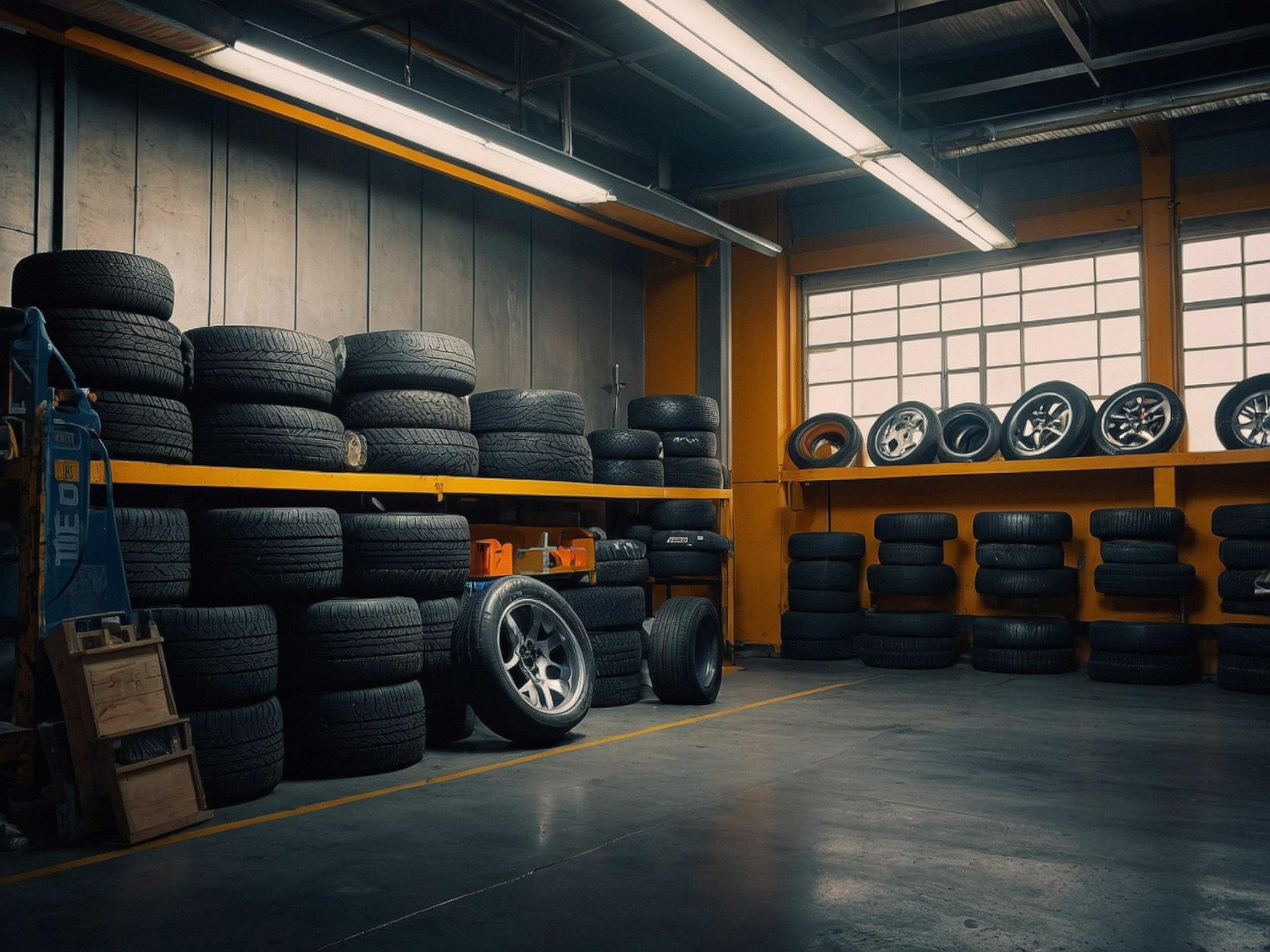
Why Proper Tire Storage Matters
Tires are made of rubber compounds that degrade when exposed to certain conditions, such as extreme temperatures, moisture, and UV rays. Improper storage can lead to: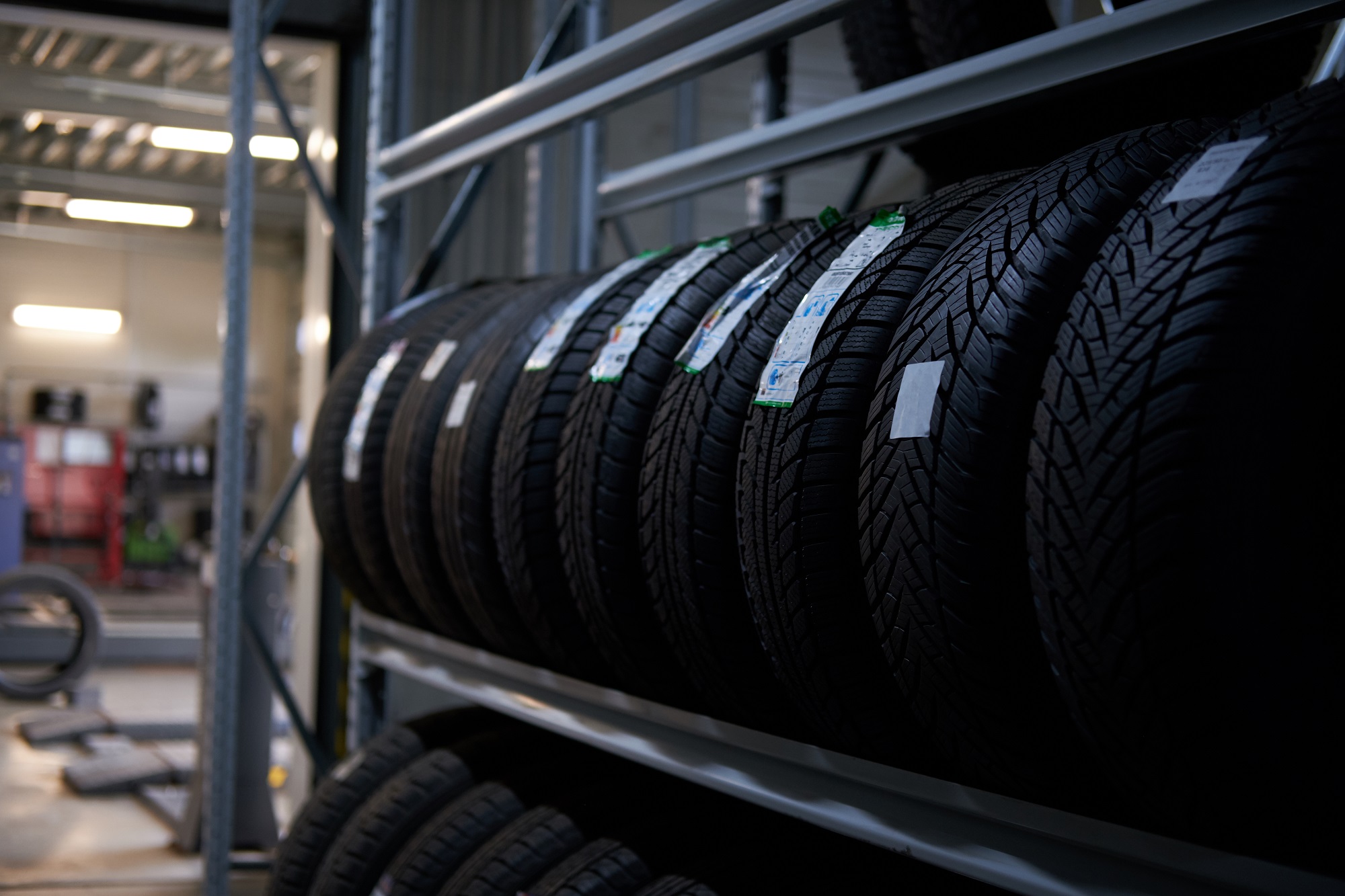
- Dry Rotting: The rubber becomes brittle and cracks, making tires unsafe.
- Deformation: Stacking or incorrect positioning can cause warping.
- Loss of Performance: Tires can lose grip and elasticity if stored improperly.
Types of Tires and Their Storage Considerations
Different tire types require specific storage conditions. Below are the main types and their unique needs:All-Season Tires
All-season tires are designed for moderate climates and should be stored away from extreme heat or cold to prevent rubber hardening.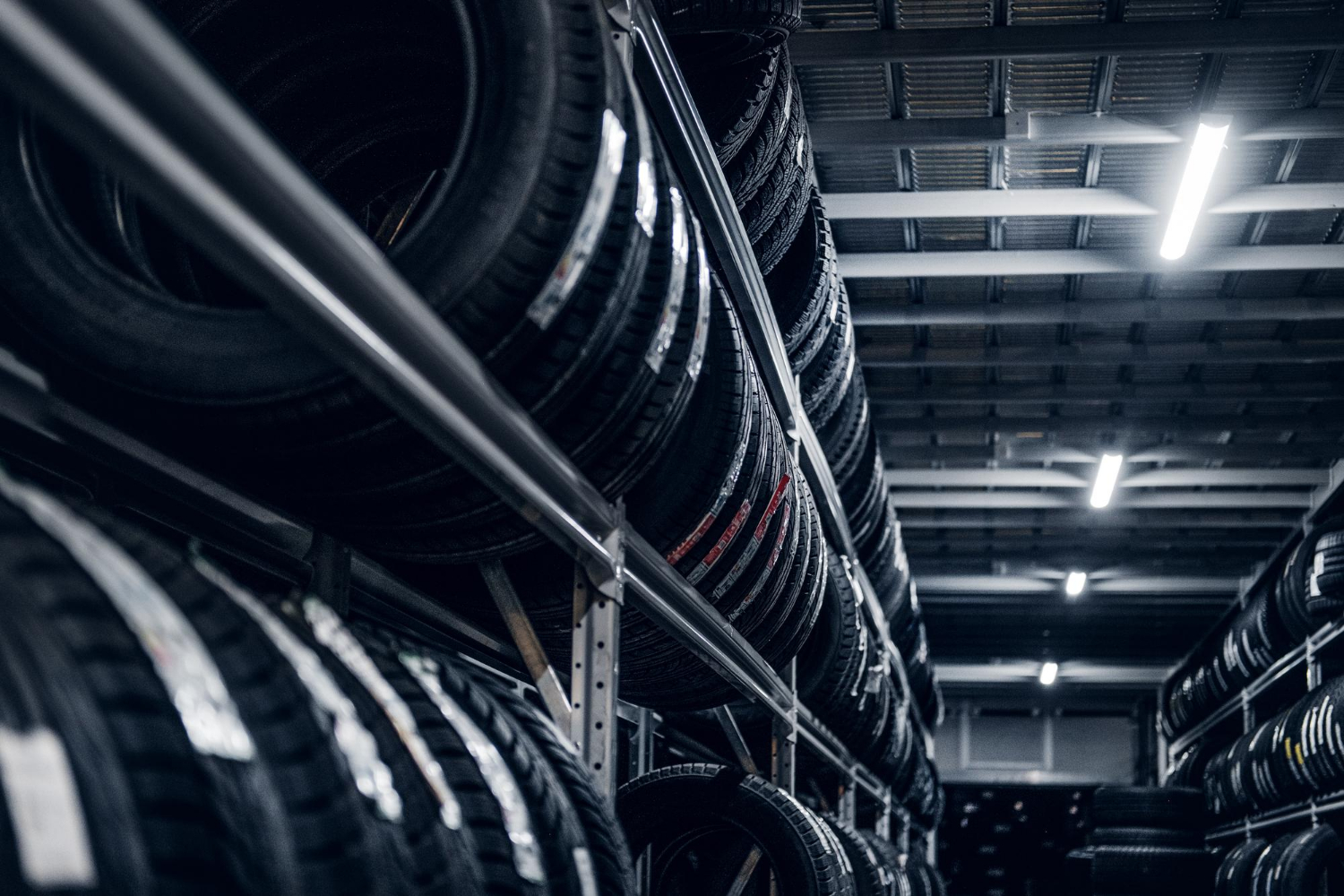
- Best Storage Conditions: Dry, temperature-controlled spaces with limited exposure to sunlight.
- Ideal For: Drivers in areas with mild seasonal changes.
Winter Tires
Winter tires use softer rubber compounds for better grip in cold weather. Storing them in warm areas can cause premature degradation.- Best Storage Conditions: Cool, dark places to maintain rubber flexibility.
- Ideal For: Regions with heavy snowfall and icy roads.
Performance & Summer Tires
These tires provide excellent traction in warm weather but can crack in freezing temperatures.- Best Storage Conditions: Stable temperatures above freezing, away from direct heat sources.
- Ideal For: Sports cars and high-performance vehicles.
Off-Road & All-Terrain Tires
Built for rough conditions, these tires have reinforced sidewalls that require careful stacking to avoid warping.- Best Storage Conditions: Sheltered, upright positioning to prevent pressure points.
- Ideal For: Trucks, SUVs, and adventure vehicles.
Best Practices for Tire Storage
Following these guidelines ensures your tires stay in top shape when not in use:| Storage Factor | Best Practice | Why It Matters |
| Cleaning | Wash and dry tires before storage | Removes road salt and grime that can degrade rubber |
| Temperature Control | Store in a cool, dry place (10-25°C) | Prevents rubber hardening or cracking |
| UV Protection | Keep away from direct sunlight | UV rays accelerate aging and dry rot |
| Stacking Method | Store tires upright or stacked flat | Prevents deformations and uneven pressure |
| Humidity Control | Avoid damp areas or basements | Moisture leads to mold and rubber breakdown |
| Use Tire Bags | Cover with airtight bags | Reduces exposure to oxygen and ozone |
| Remove Excess Weight | If storing wheels with tires, avoid stacking too high | Prevents pressure damage to lower tires |
Expert Tips from Canada Custom Autoworks
- Mark Your Tires – Label each tire with its previous position (e.g., “Front Left”) to ensure proper rotation when reinstalling.
- Use Racks or Hooks – Hanging tires can prevent sidewall stress and save space.
- Avoid Exposure to Chemicals – Keep tires away from gasoline, oils, and solvents that degrade rubber.
- Check Tires Periodically – Inspect for cracks or deformities before the next season.
- Consider Professional Storage – If you lack the right conditions, some tire shops offer climate-controlled storage.