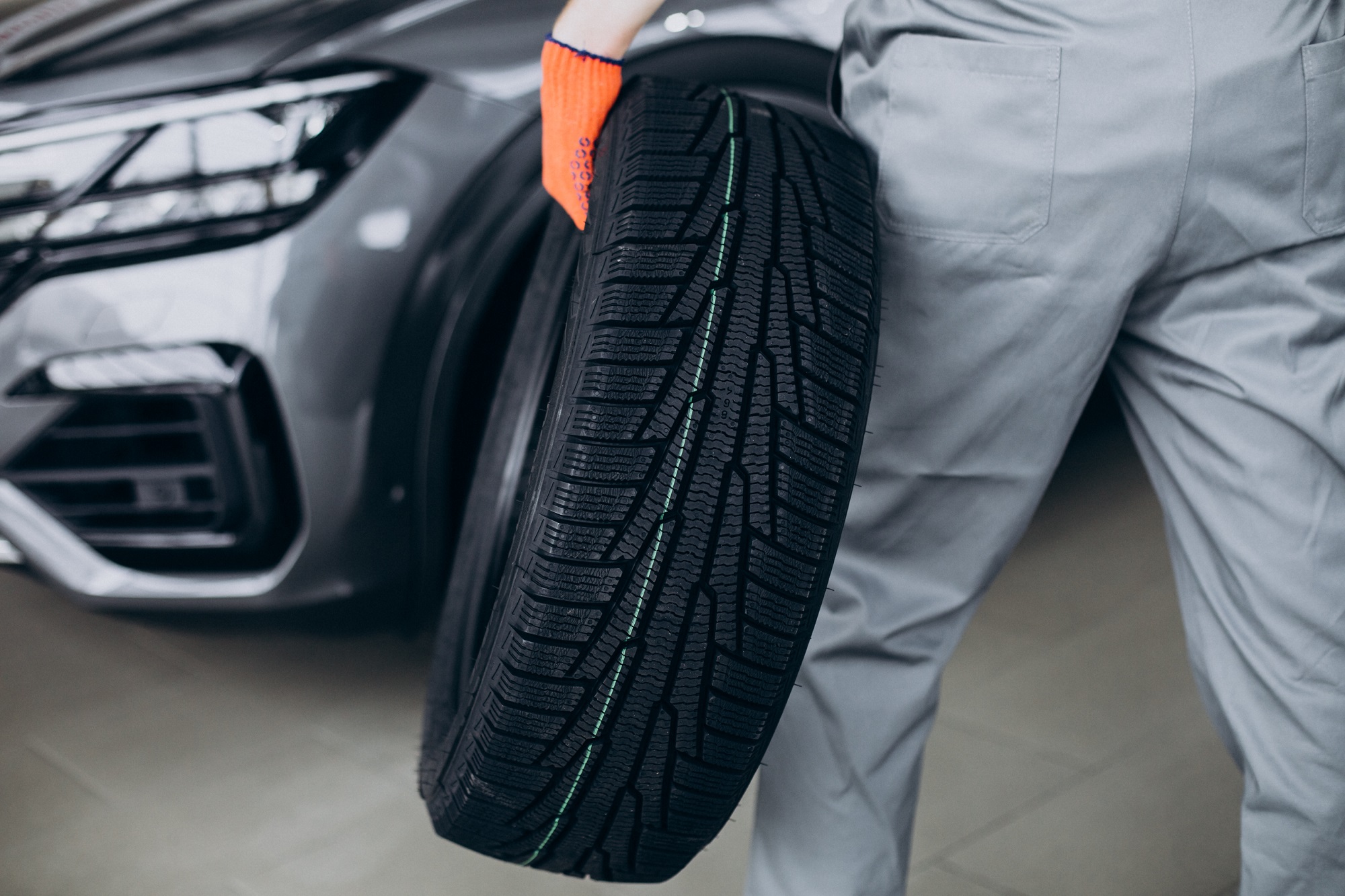
Understand When You Need New Tires
One of the most effective ways to save money on tires is knowing when you actually need them. Prematurely replacing tires can lead to unnecessary costs, while waiting too long can compromise safety. Check your tire tread regularly using the penny test or a tread depth gauge. If your tread depth is below 2/32 of an inch, it’s time for a replacement. Additionally, inspect for visible signs of wear like cracks, bulges, or uneven tread patterns.
Choose the Right Tire Type for Your Needs
Tires come in various types, each designed for specific driving conditions. Choosing the correct type ensures optimal performance and longevity, saving you money in the long run.- All-Season Tires: Ideal for moderate climates. They offer a balance of performance in dry and wet conditions, reducing the need for seasonal tire changes.
- Winter Tires: Necessary for cold climates with snow and ice. While they’re an additional cost, they can extend the life of your all-season tires by limiting their use.
- Performance Tires: Designed for high-speed handling, suitable for sports cars. Though more expensive, they offer better durability under aggressive driving conditions.
- All-Terrain Tires: Perfect for off-road enthusiasts, but they wear faster on highways.
Comparison Table: Tire Types
| Tire Type | Best For | Pros | Cons | Cost |
| All-Season Tires | Year-round use in moderate climates | Versatile, cost-effective | Less effective in extreme cold or snow | $100 – $200 per tire |
| Winter Tires | Cold, snowy, and icy conditions | Superior grip and safety in winter | Requires seasonal change | $150 – $250 per tire |
| Performance Tires | High-speed and sporty driving | Excellent handling and braking | Higher cost, faster wear | $200 – $300 per tire |
| All-Terrain Tires | Off-road and mixed terrain | Durable, good for various terrains | Noisy, wears faster on highways | $180 – $250 per tire |
Consider Buying Used or Discounted Tires
If you’re on a tight budget, consider purchasing certified used tires or looking for discounts during seasonal sales. Many reputable retailers, including Canada Custom Autoworks, offer quality used tires that meet safety standards at a fraction of the cost. However, ensure you check the tire’s age, tread depth, and for any visible damage before buying used. Sales and rebates during off-peak seasons can also provide significant savings on new tires.
Buy the Correct Tire Size
Purchasing the wrong size tire can lead to premature wear and reduced fuel efficiency, costing you more in the long run. Always check your vehicle’s manual or the sticker on the driver’s side door for the recommended tire size. Understanding the sidewall markings (e.g., P215/60R16) can help you make the right choice. This ensures compatibility with your vehicle and maximizes performance and durability.Optimize Tire Maintenance for Longevity
Maintaining your tires properly can significantly extend their lifespan, saving you money on replacements. Key maintenance practices include:- Regular Tire Rotation: Rotate your tires every 5,000 to 8,000 miles to ensure even wear.
- Proper Inflation: Check tire pressure monthly to prevent under-inflation, which increases fuel consumption and wear.
- Wheel Alignment: Misaligned wheels cause uneven tire wear. Align your wheels at least once a year or after hitting a major pothole.