Understanding alloy wheels: types and differences
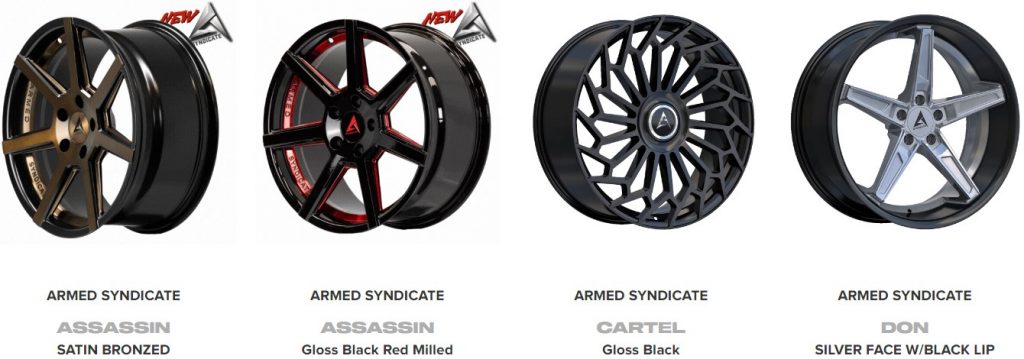
Alloy wheels are typically made from a blend of aluminum or magnesium with other metals, resulting in a strong yet lightweight product. There are two primary types of alloy wheels: Cast Alloy Wheels and Forged Alloy Wheels.- Cast alloy wheels:
- Description: These wheels are made by pouring molten aluminum into a mold. Once cooled, the wheels are shaped and finished.
- Best for: Drivers looking for an affordable, lightweight option with a variety of designs.
- Drawbacks: Cast alloy wheels are generally less strong than forged wheels and may be more prone to cracks if they hit a pothole or curb.
- Forged alloy wheels:
- Description: Forged wheels are made by applying high pressure to a solid block of aluminum, shaping it into the desired form.
- Best for: High-performance vehicles and drivers who prioritize strength and durability.
- Drawbacks: These wheels are more expensive due to the intensive manufacturing process, but they offer superior strength and resistance to damage.
Alloy wheel comparison chart
| Feature | Cast Alloy Wheels | Forged Alloy Wheels |
| Manufacturing Process | Molten aluminum poured into a mold | High pressure applied to a solid aluminum block |
| Strength | Moderate strength, more prone to cracking | High strength, more resistant to damage |
| Weight | Lightweight, but heavier than forged wheels | Lighter due to more compact metal structure |
| Design Variety | Wide variety of designs | Fewer designs due to manufacturing limits |
| Cost | More affordable | More expensive |
| Best For | Daily driving, aesthetic appeal | High-performance driving, durability |
| Susceptibility to Damage | Higher risk of cracking upon impact | Less prone to damage from road hazards |
Winter care tips for alloy wheels
 Regular cleaning:
- Frequency: Clean your alloy wheels at least once a week during winter.
- Method: Use a pH-balanced wheel cleaner and a soft-bristle brush to remove road salt, dirt, and grime. Avoid using harsh chemicals or abrasive materials that could scratch the surface.
- Types: Consider using a wheel wax or ceramic coating specifically designed for alloy wheels. These products create a protective barrier that repels water, salt, and dirt, reducing the risk of corrosion.
- Application: Apply the coating after thoroughly cleaning and drying the wheels. Reapply every few weeks for continued protection throughout the winter.
- What to look for: Check for signs of corrosion, scratches, or cracks in the wheels. Early detection of issues can prevent further damage and costly repairs.
- When to inspect: Conduct a thorough inspection after driving in harsh winter conditions, especially if you’ve encountered potholes or road debris.
- Why: Many automatic car washes use harsh chemicals and stiff brushes that can damage the finish of your alloy wheels.
- Alternative: Opt for hand washing or touchless car washes that use high-pressure water and mild detergents to clean your vehicle.
- Indoor parking: If possible, park your vehicle in a garage to protect it from the elements.
- Cover the wheels: If indoor parking isn’t an option, consider using wheel covers to shield your alloy wheels from road salt and moisture when parked outside.
- Why: If you live in an area with severe winter conditions, investing in a set of dedicated winter wheels (steel or less expensive alloy) can protect your high-end alloy wheels from the harsh elements.
- Storage: Store your primary alloy wheels in a cool, dry place until the winter season is over.