The general rule for most trucks
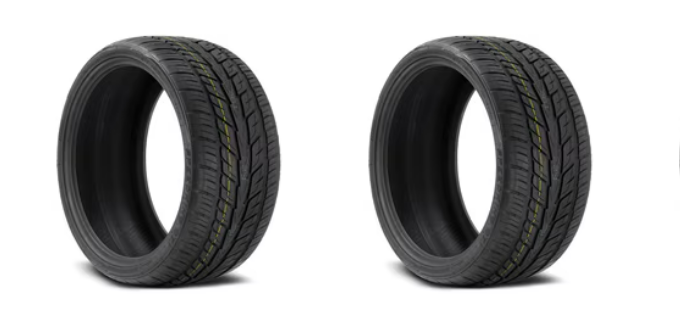
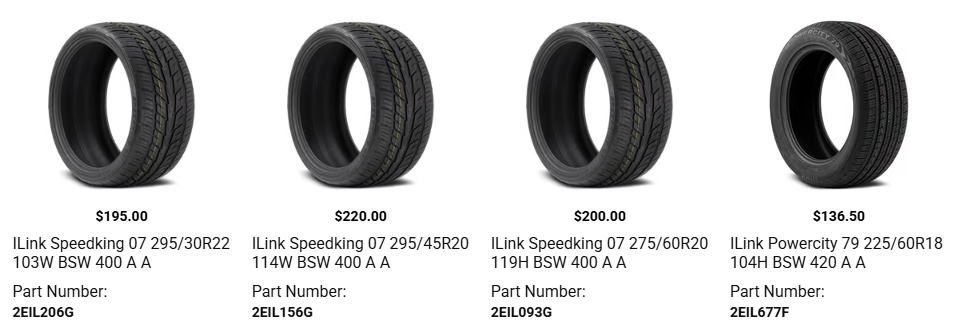
For most modern fullsize trucks like the Ford F150, RAM 1500, and Chevrolet Silverado, the largest tire you can typically run without trimming is around 33 “es. This size provides a noticeable upgrade in both stance and ground clearance while maintaining proper clearance during turning, braking, and suspension travel. A true 33″ tire is widely considered the safest option if you want zero rubbing on a completely stock setup.Common notrim tire sizes
Here are some of the most common tire sizes that fit most trucks without trimming or rubbing when using factory wheels and suspension.| Tire size | Approximate diameter | Notes |
| 275 60R20 | About 33 “es | Direct fit on most trucks |
| 285 55R20 | About 32.5 “es | Slightly wider, still safe |
| 285 70R17 | About 33 “es | Popular allterrain upgrade |
| 33 x 11.5 | About 33 “es | Ideal balance of width and clearance |
Can you go bigger than 33 “es?
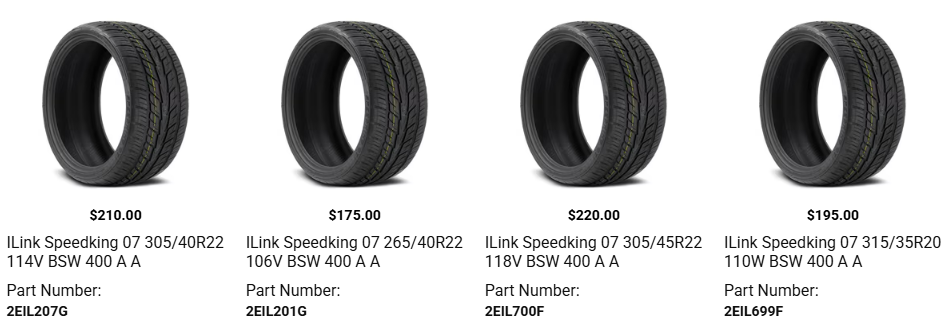
Some trucks can fit tires closer to 34 “es without trimming, but this is where things become less predictable. Depending on your truck’s trim level, factory ride height, and wheel setup, you may be able to run sizes like: 275 65R20 285 75R17 However, once you move into this range, you may experience:- Minor rubbing at full steering lock
- Contact with the inner fender liners or the crash bars
- Inconsistent fitment depending on tire brand
What affects whether your tires will rub
Even if a specific tire size fits one truck perfectly, it may cause rubbing on another. Tire fitment depends on several variables that all work together, including wheel setup, suspension height, and tire design. Understanding these factors is essential to choosing a setup that clears properly during turning, braking, and suspension travel. Paying attention to these details helps avoid costly mistakes and ensures your upgrade performs as intended.| Factor | How it affects fitment |
| Wheel offset | Negative offset pushes the tire outward, increasing the chance of rubbing on fenders and liners |
| Suspension height | Lower front ride height reduces clearance, while leveling kits improve space for larger tires |
| Tire width | Wider tires are more likely to contact components, even if the diameter is the same |
| Tire type and tread design | Aggressive mudterrain tires have larger lugs that increase the risk of rubbing |
| Manufacturer variation | Actual tire dimensions vary by brand, which can impact realworld fitment |
How a leveling kit changes things
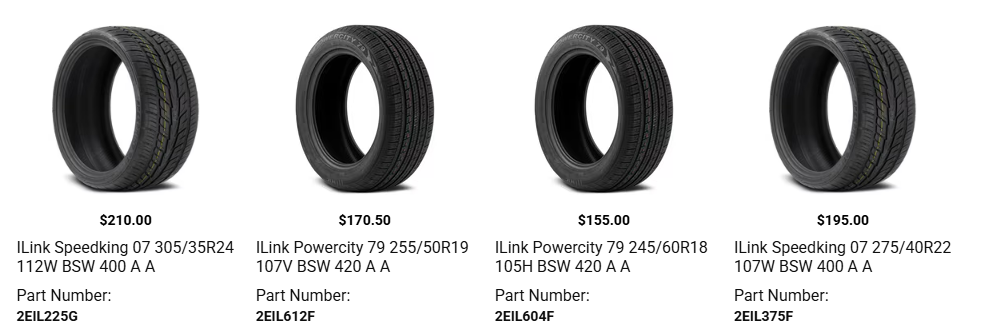
Adding a leveling kit, typically around 2 “es in the front, gives you more clearance where it matters most. With a leveling kit, many trucks can safely run:- Wider 33″ tires
- Some 34″ tires with minimal risk
- More aggressive wheel and tire combinations