- durability;
- traction;
- comfort;
- stone resistance;
- sidewall strength;
- wet-road grip;
- winter or all-weather capability if needed;
- proper sizing for your truck or SUV.
Quick Answer
The best tires for gravel roads are usually all-terrain tires because they offer stronger tread blocks, better loose-surface traction, and more durability than regular highway tires. For trucks that tow, haul, or drive gravel roads often, an LT-rated all-terrain tire is often the better choice. For SUVs and crossovers that only drive gravel occasionally, a lighter all-terrain or all-weather tire may be enough. Good gravel road tires should have:- a tougher tread pattern;
- reinforced sidewalls;
- good tread depth;
- stone ejector or stone-resistant tread design;
- stable highway handling;
- proper load rating;
- good wet and cold-weather performance.
Why Gravel Roads Are Hard on Tires
Gravel roads may look simple, but they can be harder on tires than pavement. Loose rock, dust, sharp stones, potholes, washboard surfaces, and changing weather all create extra wear. Gravel roads can cause:- faster tread wear;
- small cuts in the tread;
- sidewall damage;
- stone drilling between tread blocks;
- reduced braking traction;
- more road noise;
- more vibration;
- increased puncture risk.
- farms and rural properties;
- construction sites;
- oilfield and industrial roads;
- cottage and lake roads;
- mountain access roads;
- northern communities;
- hunting, camping, and off-road routes.
What Type of Tire Is Best for Gravel Roads?
For most trucks and SUVs, all-terrain tires are the best overall choice for gravel roads. They are more durable than highway tires but usually more comfortable and practical than mud-terrain tires.| Tire Type | Gravel Road Performance | Best For |
| Highway Terrain | Moderate | Occasional gravel, mostly pavement |
| All-Terrain | Best overall | Daily driving, gravel, rural roads, light off-road |
| Rugged-Terrain | Strong | Aggressive trucks, tougher gravel roads, mixed use |
| Mud-Terrain | Good traction, rougher ride | Mud, trails, off-road use, less ideal for daily gravel |
| All-Weather | Good for mixed seasons | Drivers needing year-round flexibility |
Are All-Terrain Tires Good for Gravel Roads?
Yes, all-terrain tires are usually the best choice for gravel roads. They are designed for mixed driving conditions, which makes them useful for drivers who spend time on both pavement and unpaved roads. All-terrain tires work well on gravel because they usually offer:- stronger tread blocks;
- better loose-surface grip;
- more open tread patterns;
- tougher construction;
- improved sidewall protection;
- better resistance to cuts and chips;
- good compatibility with trucks and SUVs.
- rural commuting;
- towing trailers;
- work sites;
- camping trips;
- cottage roads;
- gravel highways;
- farm roads;
- light off-road driving.
Are Highway Tires Good Enough for Gravel Roads?
Highway tires can work on gravel roads if you only drive them occasionally and at moderate speeds. They are comfortable, quiet, and efficient on pavement, but they are not always the best choice for frequent gravel driving. Highway tires may be fine if:- you drive gravel roads only sometimes;
- the roads are well-maintained;
- you mostly use your vehicle in the city;
- you prioritize comfort and fuel economy;
- you drive a light SUV or crossover.
- you drive gravel daily;
- you tow or haul loads;
- the roads are rocky or uneven;
- you drive through construction sites;
- you need stronger sidewall protection;
- you often see punctures or tread damage.
Are Mud-Terrain Tires Good for Gravel Roads?
Mud-terrain tires can handle gravel, but they are not always the best choice for regular gravel road driving. They are built for mud, deep ruts, soft ground, and aggressive off-road conditions. On gravel, they may provide strong bite, but they can also be louder, rougher, and less comfortable on highways. Mud-terrain tires may be a good choice if you:- drive off-road often;
- deal with mud and deep trails;
- use a lifted truck;
- want a very aggressive look;
- need maximum traction in rough terrain.
- drive long highway distances;
- want a quiet ride;
- mostly drive packed gravel;
- want better fuel economy;
- need strong winter road manners.
What Features Should Gravel Road Tires Have?
The best gravel road tires are built to handle sharp stones, loose surfaces, and rough road conditions. When shopping, do not look only at the tread design. Construction matters just as much. Look for these features:- Strong sidewalls Helps reduce damage from rocks, potholes, and rough road edges.
- Durable tread compound Helps resist chipping, cutting, and fast wear on loose gravel.
- Good tread depth Improves loose-surface grip and helps the tire last longer.
- Open tread pattern Helps the tire grip gravel, dirt, and uneven surfaces.
- Stone resistance Helps reduce stones getting trapped in the tread.
- Proper load rating Important for trucks, towing, trailers, work use, and heavy SUVs.
- Wet traction Gravel roads can become slippery quickly after rain.
- Winter rating, if needed Useful if you drive gravel roads in snow, slush, or cold weather.
Expert Tip
If you drive gravel roads often, tire durability matters more than an aggressive appearance. A tire that looks tough but has the wrong load rating or weak sidewall may not last long on rough rural roads.LT Tires vs P-Metric Tires for Gravel Roads
Truck and SUV tires often come in P-metric or LT versions. Choosing the right one depends on how heavy your vehicle is and how you use it.| Tire Type | Best For | Gravel Road Use |
| P-Metric Tires | Light SUVs, crossovers, daily driving | Good for occasional gravel |
| LT Tires | Trucks, towing, hauling, rough roads | Better for frequent gravel use |
- drive a pickup truck;
- tow trailers;
- haul tools or equipment;
- drive gravel roads often;
- use your truck for work;
- drive on construction or farm roads;
- want stronger sidewall protection.
- drive a lighter SUV or crossover;
- mostly drive on pavement;
- only use gravel roads occasionally;
- want a smoother and quieter ride;
- do not tow or haul heavy loads.
Best Tires for Gravel Roads by Vehicle Type
Different vehicles need different tire setups. A half-ton pickup, compact SUV, lifted truck, and work vehicle should not always use the same tire.For Pickup Trucks
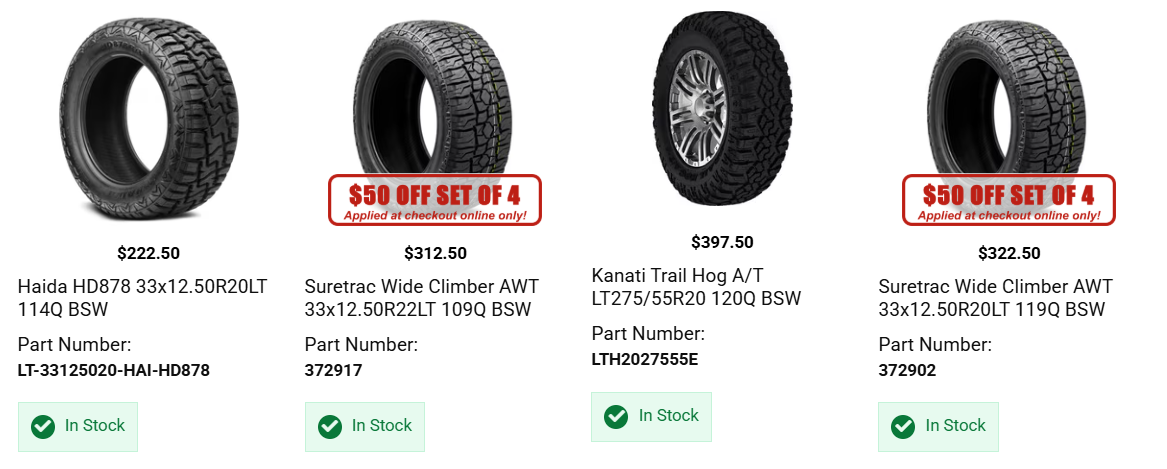
Pickup trucks often need stronger tires because they may tow, haul, or drive on rougher roads. Good options include:- LT-rated all-terrain tires;
- rugged-terrain tires for tougher use;
- tires with reinforced sidewalls;
- tires with higher load ratings;
- tires matched to towing and payload needs.
For SUVs
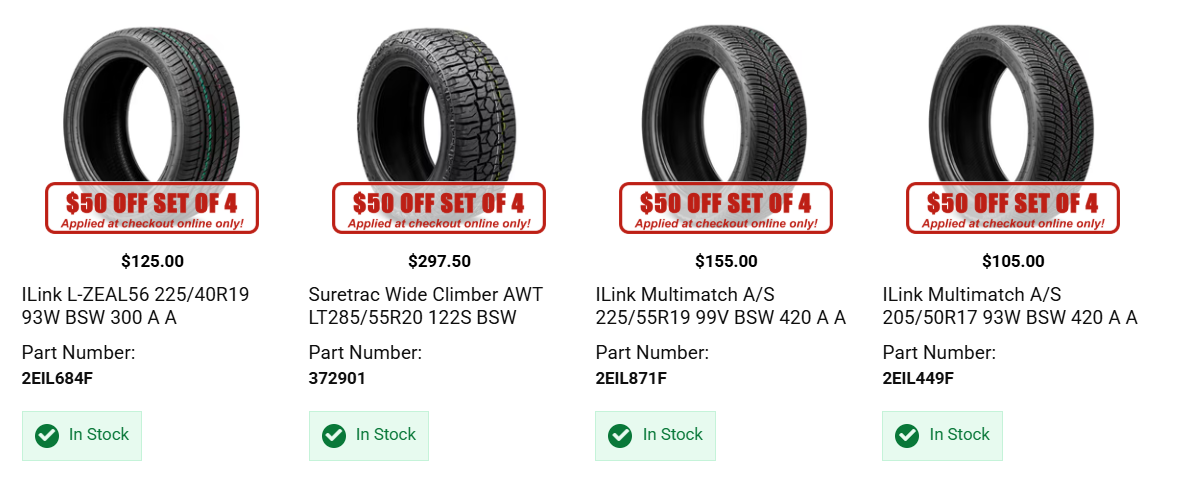
SUV drivers usually need a balance of comfort and durability. Good options include:- light all-terrain tires;
- all-weather tires for mixed seasons;
- highway-terrain tires for occasional gravel;
- stronger all-terrain tires for rural driving.
For Lifted Trucks
Lifted trucks need extra attention to fitment. Before buying, check:- tire height;
- tire width;
- wheel offset;
- lift kit height;
- fender clearance;
- turning clearance;
- load rating.
For Work Trucks
Work trucks often need the most durability. Look for:- LT construction;
- strong tread compound;
- high load rating;
- puncture resistance;
- sidewall protection;
- all-terrain or commercial-grade tire design.
Best Tire Size for Gravel Roads
The best tire size depends on your vehicle, wheels, suspension, and driving needs. Bigger tires can help with ground clearance and appearance, but they are not always better for gravel roads. A good gravel road tire setup should offer:- enough sidewall for impact protection;
- proper width for stability;
- correct load rating;
- safe clearance;
- good ride comfort;
- correct speedometer and fitment setup.
Are All-Weather Tires Good for Gravel Roads?
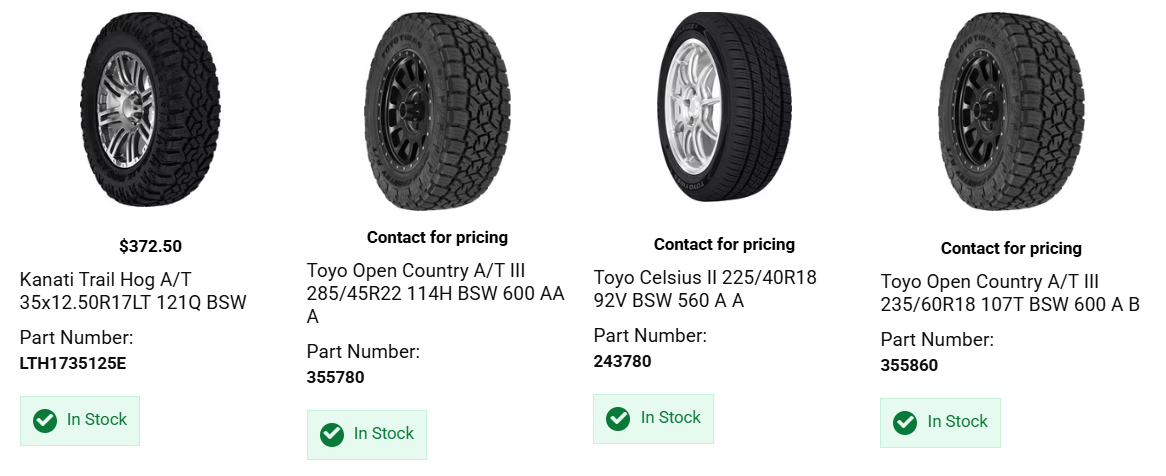
All-weather tires can work for gravel roads if you drive mostly on pavement and only use gravel roads occasionally. They are especially useful for drivers who want one tire for different seasons and do not need a dedicated off-road tire. All-weather tires may be good if:- you drive a crossover or SUV;
- you want better cold-weather performance;
- you drive light gravel roads;
- you do not need heavy-duty sidewalls;
- you want year-round convenience.
Gravel Roads and Winter Driving in Canada
Gravel roads can become more challenging in winter. Snow, ice, frozen ruts, slush, and loose gravel can all reduce traction. If you drive rural roads in winter, tire choice becomes even more important. For winter gravel driving, look for:- all-terrain tires with winter rating;
- dedicated winter tires for severe conditions;
- good tread depth;
- strong braking traction;
- proper tire pressure;
- tires suited to cold temperatures.
How to Make Tires Last Longer on Gravel Roads
Gravel roads can wear tires faster, but good maintenance helps extend tire life. To protect your tires:- rotate them regularly;
- keep tire pressure correct;
- check for stones stuck in the tread;
- inspect sidewalls for cuts or bulges;
- avoid high speeds on loose gravel;
- slow down on washboard roads;
- check alignment after rough impacts;
- balance tires if vibration appears;
- choose the correct load rating.
Common Mistakes When Buying Tires for Gravel Roads
Many drivers buy tires based on looks alone. That can lead to poor performance, faster wear, or an uncomfortable ride. Avoid these mistakes:- choosing the most aggressive tire without needing it;
- ignoring load rating;
- buying tires with weak sidewalls;
- choosing a tire too wide for your setup;
- using highway tires for daily gravel driving;
- ignoring winter performance;
- forgetting about road noise;
- not checking wheel and tire fitment;
- buying based only on price.
Where Can You Buy Tires for Gravel Roads in Canada?
You can buy gravel-road-friendly tires from shops that understand truck and SUV fitment, rural driving, towing needs, and Canadian road conditions. Canada Custom Autoworks offers tires, wheels, lift kits, leveling kits, and wheel and tire packages for trucks and SUVs. Depending on your vehicle and driving needs, useful options may include:- all-terrain tires;
- rugged-terrain tires;
- LT-rated truck tires;
- all-weather tires;
- winter tires;
- wheel and tire packages;
- lifted truck fitment support.