 Winter tires are specifically engineered to perform in cold temperatures, snow, and icy conditions. Knowing when to make the seasonal change helps improve safety, braking performance, and overall control on winter roads.
The -7°C rule for winter tires
A widely accepted guideline among tire specialists is the -7°C rule. When daily temperatures consistently drop below 7°C (45°F), standard all-season or summer tires begin to lose effectiveness. This happens because their rubber compounds harden in cold weather, reducing their ability to grip the road surface. Winter tires, on the other hand, are made with special rubber compounds that remain flexible even in freezing temperatures. This flexibility allows them to maintain traction on cold pavement, snow, and ice. For most drivers in Canada, this temperature threshold usually occurs between mid-October and early November, though local weather conditions can vary. Besides the temperature guideline, several real-world signs indicate that winter tires should be installed soon.Consistently cold mornings
If morning temperatures regularly fall near or below freezing, the roads may already be colder than they appear during the afternoon. Since many drivers commute early in the day, winter tire performance becomes especially important.Frequent frost or icy roads
Frost on windshields or icy patches on bridges and shaded roads are early indicators that winter conditions are approaching.The first snowfall forecast
Waiting until the first heavy snowfall can lead to crowded tire shops and long wait times. Installing winter tires slightly ahead of the first storm helps you stay prepared.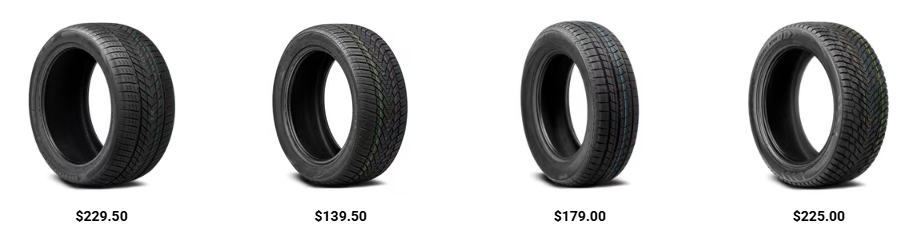
Why do winter tires perform better in cold weather?
Winter tires differ from all-season or summer tires in several key ways. Cold-weather rubber compounds. Winter tires use softer rubber designed to stay flexible in freezing conditions. This improves traction and braking ability on cold pavement. Deep tread patterns. The deeper grooves help channel snow and slush away from the contact patch, improving grip. Sipes for extra traction. Tiny slits in the tread blocks, called sipes, create additional biting edges that help the tire grip ice and packed snow. These design features work together to provide more predictable handling and shorter stopping distances during winter driving.Install winter tires as a complete set
For the best performance and safety, winter tires should always be installed in a full set of four. Mixing winter and all-season tires can create uneven traction levels between the front and rear of the vehicle. This imbalance can lead to unpredictable handling, especially during emergency braking or cornering on slippery roads. Even vehicles equipped with all-wheel drive or four-wheel drive benefit significantly from winter tires, because braking and cornering grip still depend entirely on the tires themselves.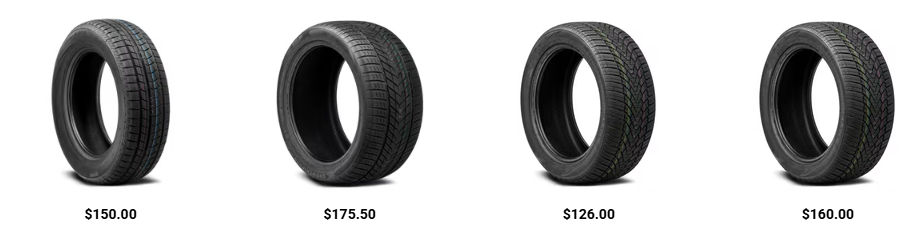
Choosing the right winter tire
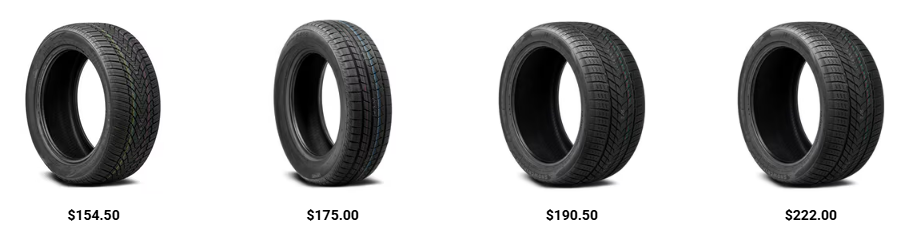
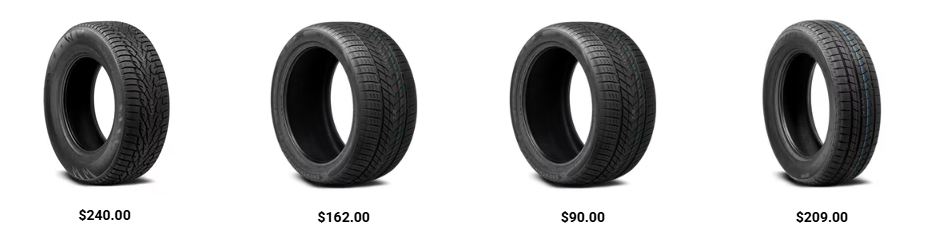
Selecting the right winter tire depends on your vehicle, driving conditions, and whether you encounter deep snow or icy highways regularly.| Tire model | Vehicle type/use | Description | Link |
| iLink Snow Gripper 2 265/50R20 111H BSW | SUVs and larger vehicles | Designed for strong winter traction with advanced tread patterns that help maintain grip on snow-covered roads. | https://www.canadacustomautoworks.com/ilink-snow-gripper-2-26550r20-111-h-bsw-6eil136f |
| iLink Wintervorhut Stud 3 265/70R17 115T BSW | SUVs and light trucks | Stud-ready winter tire designed to improve traction on icy and snow-packed roads. | https://www.canadacustomautoworks.com/ilink-wintervorhut-stud-3-26570r17-115-t-bsw-3eil640f |
| iLink Wintervorhut Stud 3 LT265/70R17 121Q BSW | Trucks and heavy SUVs | Heavy-duty winter tire built for vehicles that face severe winter conditions and heavier loads. | https://www.canadacustomautoworks.com/ilink-wintervorhut-stud-3-26570r17-121-q-bsw-3eil652f |
| iLink Wintervorhut Stud 3 225/60R18 104T BSW | Crossovers and passenger vehicles | Provides reliable snow and ice performance for everyday winter driving. | https://www.canadacustomautoworks.com/ilink-wintervorhut-stud-3-22560r18-104-t-bsw-6eil045f |
| iLink Wintervorhut Stud 1 205/60R16 96T BSW | Compact vehicles | Offers dependable winter traction while maintaining ride comfort and stability. | https://www.canadacustomautoworks.com/ilink-wintervorhut-stud-1-20560r16-96-t-bsw-6eil032f |
| iLink Snow Gripper 2 255/50R20 109H BSW | SUVs and performance crossovers | Delivers strong winter traction while maintaining stable handling in cold conditions. | https://www.canadacustomautoworks.com/ilink-snow-gripper-2-25550r20-109-h-bsw-2eil808f |
| iLink Snow Gripper 2 275/35R19 100V BSW | Performance vehicles | Provides confident winter grip while maintaining control and stability for larger wheel setups. | https://www.canadacustomautoworks.com/ilink-snow-gripper-2-27535r19-100-v-bsw-2eil805f |
When to switch back in the spring?
Just as winter tires should be installed before temperatures drop too low, they should also be removed once temperatures consistently rise above 7°C in the spring. Winter tire compounds are softer than all-season tires, so driving on warm pavement for extended periods can cause them to wear more quickly and reduce their lifespan. Switching back to all-season or summer tires at the right time helps preserve both tire sets and maintain optimal performance year-round.