Upgrading your wheels and tires is one of the most effective ways to improve both the look and performance of your vehicle. Whether you are stepping up to larger tires, changing wheel offset, or adding a lift kit, one of the most common concerns is simple: Will there be any rubbing?
At Canada Custom Autoworks, we see this question asked every day, and the difference between a clean fitment and constant rubbing usually comes down to a few key factors. Understanding them will help you avoid costly mistakes and get the result you want the first time.
What Is Tire Rubbing?
Tire rubbing happens when your tire makes contact with parts of the vehicle it should not touch. This can include the inner fender liner, outer fender, suspension components, or even the frame.
Rubbing may occur:
- When turning at full steering lock
- When going over bumps or dips
- During heavy acceleration or braking
- Under load, such as towing or carrying a weight
In some cases, it is minor and occasional. In others, it can lead to damage.
The Most Common Causes of Rubbing
From realworld installs, most rubbing issues come down to four main factors.
Tire Size Is Too Large
Larger tires increase both height and width. Taller tires are more likely to contact the fender during suspension compression, while wider tires can rub against control arms or inner liners.
Even if a tire technically fits while the vehicle is stationary, it may rub once the suspension moves.
Incorrect Wheel Offset
Wheel offset plays a major role in clearance.
- Lower or negative offset pushes the wheel outward, increasing the chance of rubbing on the fender.
- Higher or positive offset pulls the wheel inward, which can cause contact with suspension components.
Choosing the wrong offset is one of the most common causes of rubbing, especially when paired with wider tires.
Not Enough Clearance or Lift
If you are increasing tire size without adjusting ride height, clearance becomes limited.
For example:
- Many trucks can fit slightly larger tires with no lift, but rubbing is likely at full lock
- Moving up to 33" or 35" tires often requires a leveling kit or lift to create proper space
Without enough clearance, rubbing during everyday driving becomes unavoidable.
Suspension Condition
Worn shocks, sagging springs, or tired bushings reduce ride height and increase suspension travel.
This leads to more compression under normal driving conditions, which increases the chances of rubbing, even with a setup that previously worked.
Where Rubbing Typically Happens
Identifying where rubbing occurs helps determine the right fix.
Common contact points include:
- Inner fender liners during turns
- Outer fender edges under compression
- Control arms when the wheel sits too far inward
- Frame or crash bars on certain trucks and SUVs
Each location points to a different underlying issue, which is why proper inspection is important.
When Rubbing Is Most Likely
Many drivers are surprised that their setup looks perfect, but still rubs. This is because rubbing often happens under specific conditions.
You are most likely to experience rubbing:
- At full steering lock while parking
- When hitting bumps or uneven terrain
- During offroad articulation
- When carrying extra weight or towing
A setup that clears on a lift or in the driveway may still rub once the vehicle is in motion.
How to Prevent Tire Rubbing the Right Way
Preventing tire rubbing starts with proper planning, not guesswork. In our experience at Canada Custom Autoworks, most rubbing issues can be avoided by choosing the right combination of tire size, wheel offset, and suspension setup before installation. It is important to think about how your vehicle will perform not just at rest, but during turning, braking, and suspension movement. A wellmatched setup ensures proper clearance, maintains drivability, and eliminates the need for constant adjustments after the fact.
| Factor | What to Do | Why It Matters |
| Tire Size | Choose a size that fits your vehicle and driving needs | Oversized tires increase the risk of contact during turns and suspension compression |
| Wheel Offset | Select the correct offset for your specific setup | Improper offset can cause rubbing on fenders or suspension components |
| Ride Height | Add a leveling kit or lift when increasing tire size | More clearance reduces the chance of rubbing under load and movement |
| Suspension Condition | Replace worn shocks, springs, and bushings | A healthy suspension maintains proper ride height and limits excessive movement |
| Minor Adjustments | Trim liners or make small modifications if needed | Helps eliminate light rubbing in tight areas without affecting performance |
| Alignment | Perform a professional alignment after any changes | Ensures proper handling, even tire wear, and correct wheel positioning |
Is Some Rubbing Normal?
Minor rubbing can happen with aggressive setups, especially when pushing the limits of fitment. However, constant or severe rubbing is not something you should ignore.
If left unaddressed, it can lead to:
- Tire damage or sidewall failure
- Torn fender liners
- Poor handling or vibration
- Increased wear on suspension components
A properly set up vehicle should drive smoothly without unwanted contact.
So, will there be any rubbing?
It depends on how well your setup is planned. With the right combination of tire size, wheel offset, and suspension, rubbing can be completely avoided. Without that planning, it becomes very likely.
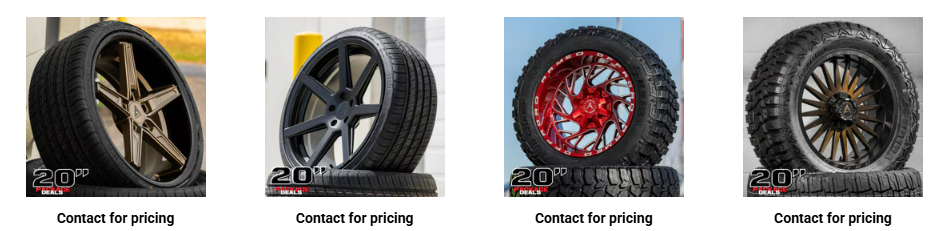
At Canada Custom Autoworks, we help drivers get it right the first time by matching every component to the vehicle and intended use. Whether you are going for a clean daily driver or a more aggressive offroad build, proper fitment is everything.
Need Help Getting the Perfect Fitment?
If you are unsure whether your setup will rub, let our team guide you. We will help you choose the right tires, wheels, and lift options for your vehicle so you get the look and performance you want without the headaches.
Contact Canada Custom Autoworks today and get a setup that fits right, drives right, and performs the way it should.