Why fuel economy changes after tire or wheel upgrades
Your vehicle is engineered with a specific tire and wheel setup in mind. When you move away from that factory setup, you’re changing how much effort the engine needs to move the vehicle. Here are the main reasons fuel economy is affected:- Increased weight requires more energy to accelerate
- Larger diameters change the effective gearing
- Wider tires create more contact with the road
- Aggressive tread patterns increase rolling resistance
The biggest factors that affect fuel economy
Tire size and overall diameter
Upgrading to larger tires is one of the most common changes we see. While it improves ground clearance and gives your vehicle a more aggressive look, it also increases rotational mass and changes how your drivetrain operates. In realworld terms:- Moving from a stock setup to 33″ tires may slightly reduce fuel economy
- Jumping to 35″ or larger tires typically has a more noticeable impact
Tire weight and wheel package
One of the most overlooked factors is total weight. Many aftermarket wheels and larger tires are significantly heavier than stock. At our shop, we often see:- Heavier wheel and tire packages reduce responsiveness
- Increased strain during acceleration and braking
- A direct drop in fuel efficiency due to added rotational mass
Tread design and tire type
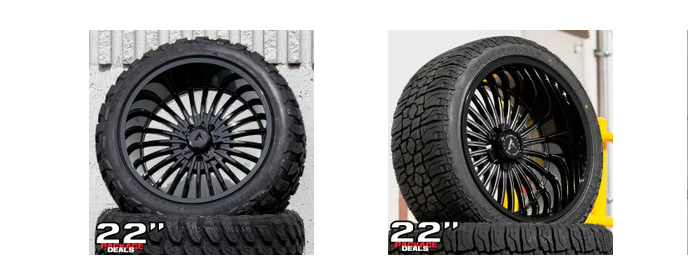
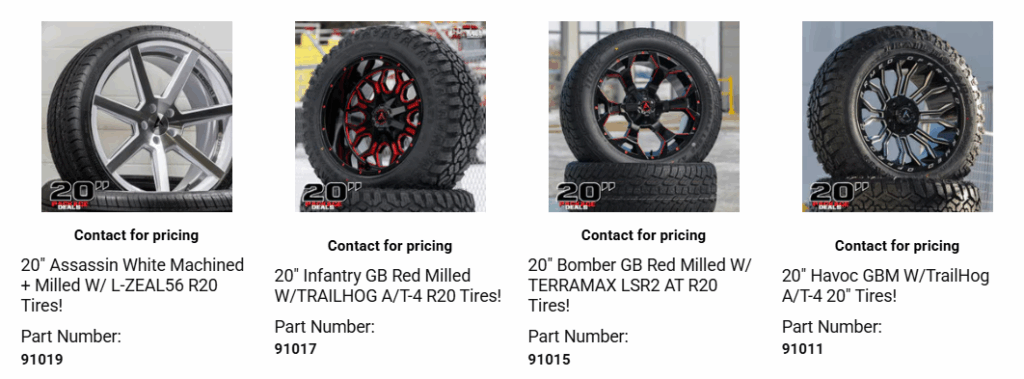
Not all tires are built the same. The type of tire you choose plays a major role in fuel consumption.- Highway and allseason tires are designed for efficiency and lower rolling resistance.
- Allterrain tires strike a balance between traction and fuel economy
- Mudterrain tires offer maximum grip, but typically reduce fuel efficiency the most
Tire pressure and maintenance
This is the easiest factor to control and one of the most important. Underinflated tires:- Increase rolling resistance
- Create more drag
- Force the engine to work harder
- Roll more efficiently
- Improve fuel economy
- Extend tire life
Wheel Offset and Width
Changing your wheel offset or running wider setups can also affect fuel economy. Wider tires:- Increase the contact patch with the road
- Add rolling resistance
- Can create more aerodynamic drag
Realworld example from our shop
A common upgrade we see is a truck moving from a factory setup to:- Larger allterrain tires
- Aftermarket wheels with a more aggressive offset
- Increased tire weight
- More rolling resistance from the tread
- Wider stance and added drag
How to minimize fuel economy loss after tire and wheel upgrades
Upgrading your tires and wheels doesn’t have to mean sacrificing fuel efficiency. With the right approach, you can maintain a strong balance between performance, appearance, and everyday drivability. The key is making smart choices during the upgrade process. Selecting the right tire for your driving habits, avoiding unnecessary weight, staying within practical sizing, and keeping up with proper maintenance all play a major role in protecting your fuel economy. Small decisions at each step can make a noticeable difference in how your vehicle performs at the pump.| Factor | What to Do | Why It Matters |
| Tire Selection | Choose tires that match your driving style (highway, allterrain, or offroad) | Aggressive tread patterns increase rolling resistance and fuel consumption |
| Weight | Opt for lighter wheels and tire combinations when possible | Heavier setups require more energy to accelerate and maintain speed |
| Tire Size | Stay close to recommended or practical upsizing | Oversized tires increase rotational mass and reduce efficiency |
| Tire Pressure | Regularly check and maintain proper inflation | Underinflated tires create more drag and waste fuel |
| Alignment | Perform a professional alignment after upgrades | Ensures even tire wear and reduces unnecessary resistance |
Is the fuel economy tradeoff worth it?
That depends on your priorities. If your goal is:- Better offroad performance
- A more aggressive stance
- Improved traction in tough conditions
 Any change to your tires or wheels can affect fuel economy, but it’s not just about losing MPG. It’s about understanding the tradeoffs and choosing a setup that fits your driving style.
At Canada Custom Autoworks, we help customers build setups that balance performance, appearance, and everyday usability. Whether you’re upgrading for looks, capability, or both, we’ll guide you toward options that make sense for your vehicle and how you drive.
Any change to your tires or wheels can affect fuel economy, but it’s not just about losing MPG. It’s about understanding the tradeoffs and choosing a setup that fits your driving style.
At Canada Custom Autoworks, we help customers build setups that balance performance, appearance, and everyday usability. Whether you’re upgrading for looks, capability, or both, we’ll guide you toward options that make sense for your vehicle and how you drive.