Upsizing tires is one of the most common upgrades for truck and SUV owners. A more aggressive stance, improved ground clearance, and enhanced traction are all appealing benefits. But the big question remains: can you upsize your tires without affecting your factory warranty?The short answer is yes if it’s done correctly.Understanding how warranties work and how proper fitment plays a role is critical before making the change.
How vehicle warranties actually work?
Many drivers believe that any modification automatically voids their vehicle warranty. That is not accurate.Under Canadian consumer protection standards, a manufacturer must prove that an aftermarket modification directly caused a failure in order to deny a warranty claim. Simply installing larger tires does not automatically void your warranty.However, improper upsizing can create issues that may lead to denied claims, especially if it affects suspension, steering, drivetrain components, or electronic systems.
The tires cause rubbing against suspension or body components
Wheel offset changes create excessive strain on bearings or steering parts
Speedometer and transmission calibration are not considered
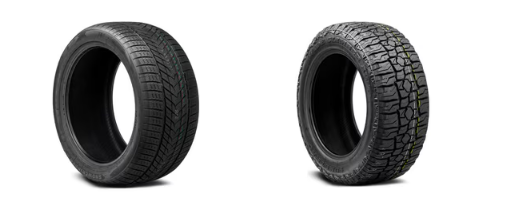
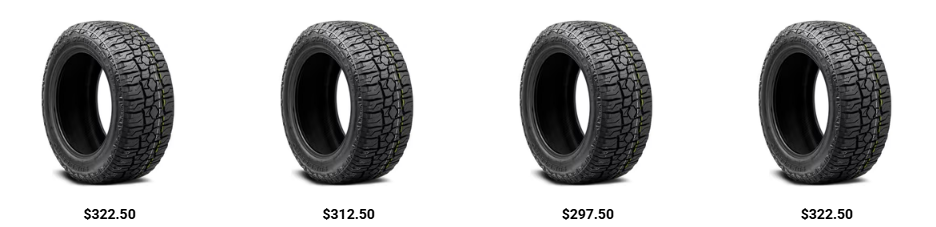
For example, moving to an aggressive off-road setup likeSuretrac Wide Climber AWT 33×12.50R20LT 119Q BSW Tires requires verifying clearance, gearing compatibility, and load capacity before installation.Similarly, stepping up to larger highway-oriented sizes such as:
must be evaluated against your vehicle’s original diameter and load specifications.
The importance of load rating and diameter
Two key measurements determine whether an upsize remains warranty-friendly:
Overall diameter
Staying within approximately 3% of the factory tire diameter minimizes stress on drivetrain components and helps maintain accurate speedometer readings.
Load index
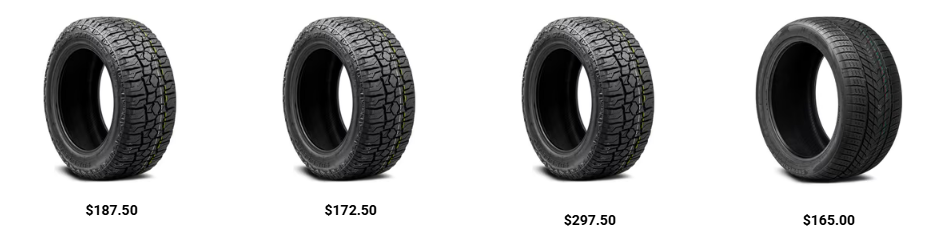
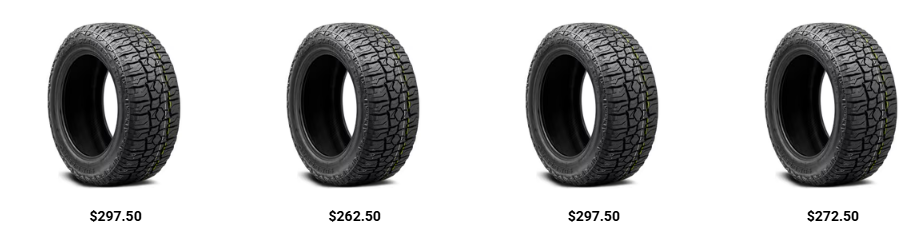
Never downgrade your load rating. If your factory tire carries a certain load index, your replacement must meet or exceed it.For example, heavy-duty applications often benefit from LT-rated options such as:
The key is matching specifications to your vehicle’s engineering requirements.Larger tires are heavier and may slightly affect:
Acceleration
Braking performance
Fuel economy
Transmission shift points
Extreme diameter increases can place additional strain on axles and differentials. This is where professional consultation becomes critical. Proper sizing ensures the visual upgrade does not compromise mechanical reliability.
How to upsize safely without risking your warranty?
If protecting your warranty is a priority, follow these principles:
Keep the overall diameter close to the factory specification
Maintain or exceed factory load rating
Ensure proper wheel offset and clearance
Avoid rubbing under the full steering lock or suspension compression
Consider recalibration if making a significant size jump
When upsizing is done within these guidelines, warranty risk is minimal.Yes, you can upsize your tires without affecting your warranty, but only if the upgrade is engineered properly. The difference between a safe upgrade and a costly mistake often comes down to correct sizing, load rating, and fitment verification.At Canada Custom Autoworks, our specialists evaluate your vehicle’s factory specifications, intended use, and performance goals before recommending tire upgrades. Whether you’re considering a mild plus-size change or a bold off-road setup, we ensure your upgrade delivers performance, safety, and peace of mind.If you’re thinking about upsizing, consult our team first. The right advice today protects your warranty tomorrow.
 Larger tires are heavier and may slightly affect:
 At Canada Custom Autoworks, our specialists evaluate your vehicle’s factory specifications, intended use, and performance goals before recommending tire upgrades. Whether you’re considering a mild plus-size change or a bold off-road setup, we ensure your upgrade delivers performance, safety, and peace of mind.
If you’re thinking about upsizing, consult our team first. The right advice today protects your warranty tomorrow.
At Canada Custom Autoworks, our specialists evaluate your vehicle’s factory specifications, intended use, and performance goals before recommending tire upgrades. Whether you’re considering a mild plus-size change or a bold off-road setup, we ensure your upgrade delivers performance, safety, and peace of mind.
If you’re thinking about upsizing, consult our team first. The right advice today protects your warranty tomorrow.