Choosing between all-season and winter tires is one of the most important safety decisions drivers make in regions where temperatures drop below freezing for months at a time. While both tire types are designed to handle a range of road conditions, they are engineered for very different environments.The real question is not simply which tire is “better,” but which tire is better for your driving conditions, climate, and vehicle.
Understanding the core difference
The primary difference between all-season and winter tires comes down to rubber compound and tread design.All-season tires are engineered to provide balanced performance in dry, wet, and mildly cold conditions. Winter tires are specifically built for temperatures below -7°C, where traction on snow and ice becomes critical.Once temperatures consistently drop below that threshold, the performance gap becomes significant.
Temperature performance
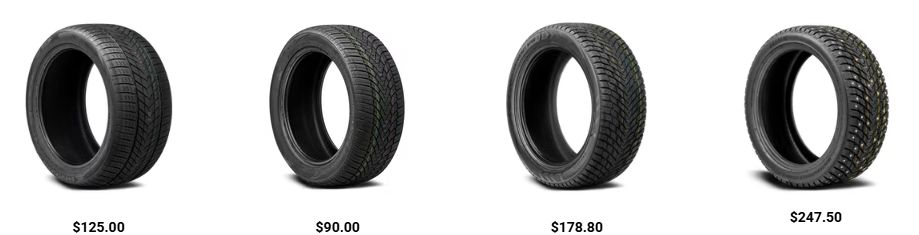
Rubber chemistry changes with temperature.All-season tires begin to harden as temperatures approach freezing. As the rubber stiffens, the tire loses flexibility, reducing its ability to grip the road even on dry pavement.Winter tires, by contrast, use a softer compound that stays flexible in cold weather. This flexibility allows the tread to conform to road surfaces, improving traction, cornering stability, and braking.If you regularly drive in sub-zero conditions, winter tires offer a clear safety advantage.
Tread design and traction
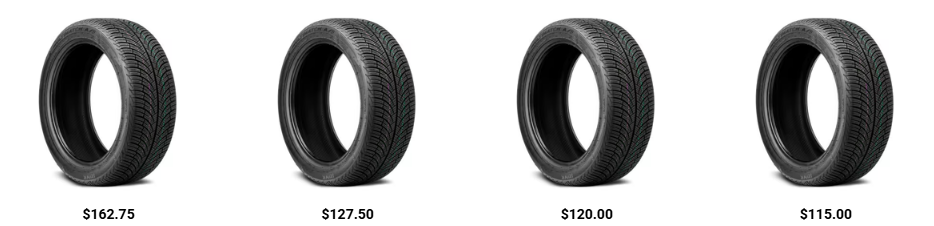
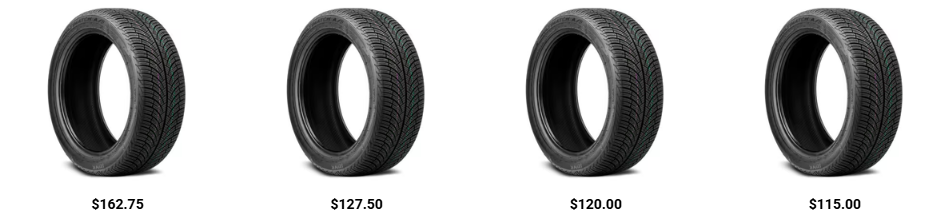
Winter tires feature deeper tread depths and thousands of small slits called sipes. These biting edges dig into snow and help channel slush away from the contact patch. Many winter tires are also certified with the Three-Peak Mountain Snowflake (3PMSF) symbol, meaning they meet strict snow traction standards.All-season tires have shallower, less aggressive tread patterns. They are designed to perform well across different seasons but are not optimized for heavy snow or ice.For example, an all-season option like the iLink Multimatch A/S 235/55R19 105V BSW 420 A A Tireshttps://www.canadacustomautoworks.com/ilink-multimatch-as-23555r19-105-v-bsw-2eil447foffers balanced year-round capability in moderate climates.Other popular all-season sizes include:
These are ideal for drivers who experience mild winters with limited snowfall.
Braking and safety differences
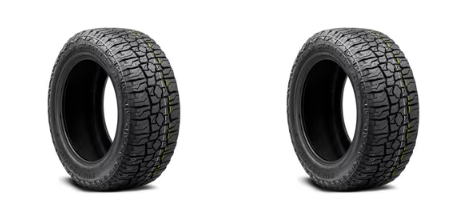
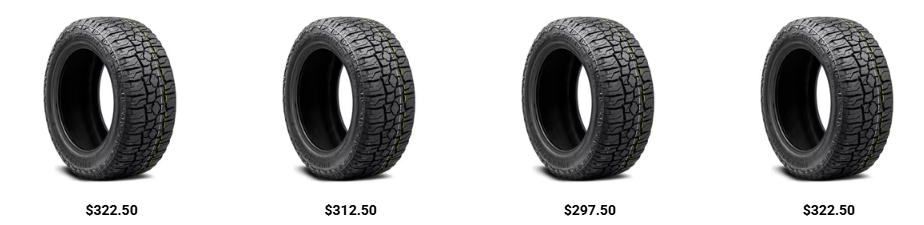
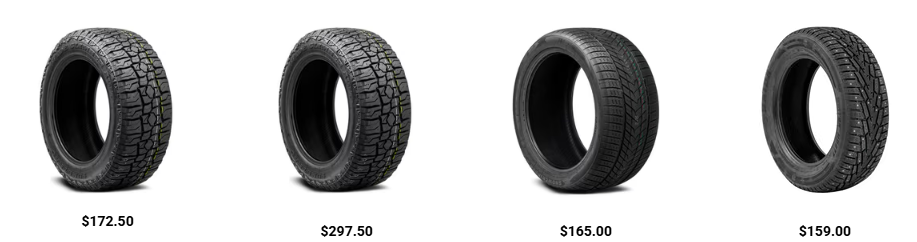
Braking performance is where winter tires demonstrate their greatest advantage.On snow and ice, winter tires can significantly reduce stopping distances compared to all-season tires. Even on cold, dry pavement, winter compounds maintain grip more effectively.For drivers of trucks and SUVs, especially those running larger aggressive tires such as the:
traction characteristics become even more important due to vehicle weight and increased stopping distances.If you frequently drive on highways, rural roads, or encounter packed snow and black ice, winter tires provide measurable safety benefits.
Longevity and cost considerations
All-season tires can remain on your vehicle year-round, eliminating the need for seasonal changeovers. This convenience makes them cost-effective in regions with short, mild winters.Winter tires, however, must be removed once temperatures rise consistently above 7°C. Driving them in warm weather causes faster wear due to their softer compound.That said, using dedicated winter tires actually extends the life of your all-season set because each is used only part of the year.
Which tire is better for you?
The answer depends entirely on climate and driving habits:
If you live in an area with heavy snowfall and sustained freezing temperatures, winter tires are safer.
If winters are short and mild with mostly wet or dry roads, all-season tires may be sufficient.
If you drive a truck with oversized or aggressive tread patterns, specialized winter options may still be necessary despite the rugged appearance of your all-terrain tires.
Ultimately, safety should guide the decision, not convenience alone.
The expert recommendation
At Canada Custom Autoworks, we recommend evaluating:
Your local winter severity
Daily commute conditions
Highway vs city driving
Vehicle type and tire size
Budget and long-term ownership plans
Our specialists help drivers choose the right tire solution, whether that’s a dependable all-season option or a dedicated winter setup for maximum safety.
Get professional advice today
Not sure which tire is right for your vehicle?Visit Canada Custom Autoworks to speak with our tire specialists. We’ll match you with the safest, best-performing option for your driving conditions and ensure proper fitment for your car, SUV, or truck.Drive smarter. Drive safer. Choose the right tires with confidence at Canada Custom Autoworks.
 The real question is not simply which tire is “better,” but which tire is better for your driving conditions, climate, and vehicle.
 All-season tires have shallower, less aggressive tread patterns. They are designed to perform well across different seasons but are not optimized for heavy snow or ice.
For example, an all-season option like the iLink Multimatch A/S 235/55R19 105V BSW 420 A A Tires
https://www.canadacustomautoworks.com/ilink-multimatch-as-23555r19-105-v-bsw-2eil447f
offers balanced year-round capability in moderate climates.
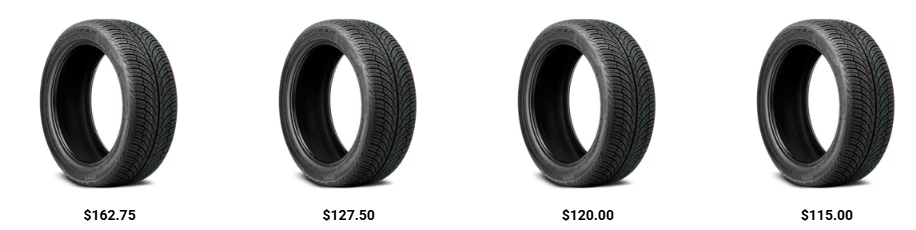
Other popular all-season sizes include:
All-season tires have shallower, less aggressive tread patterns. They are designed to perform well across different seasons but are not optimized for heavy snow or ice.
For example, an all-season option like the iLink Multimatch A/S 235/55R19 105V BSW 420 A A Tires
https://www.canadacustomautoworks.com/ilink-multimatch-as-23555r19-105-v-bsw-2eil447f
offers balanced year-round capability in moderate climates.
Other popular all-season sizes include:
 If you frequently drive on highways, rural roads, or encounter packed snow and black ice, winter tires provide measurable safety benefits.