Types of winter tires
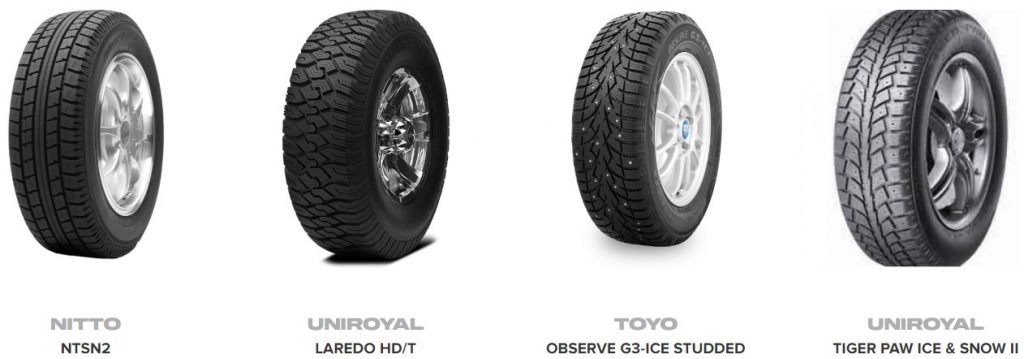
Snow Tires- Characteristics: Designed with deep treads and unique rubber compounds that remain flexible in freezing temperatures.
- Best For: Deep snow, ice, and slush. They offer superior traction and braking performance.
- Example: Bridgestone Blizzak DM-V2 – Known for its outstanding grip on ice and snow, providing excellent control and safety.
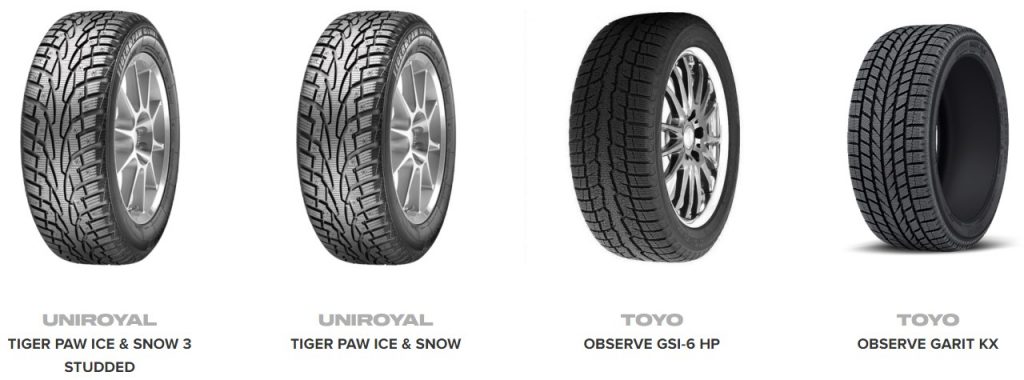
- Characteristics: Similar to snow tires but with a focus on performance in cold, wet conditions. Often features sipes (small slits) to improve grip.
- Best For: General winter driving conditions, including icy and wet roads.
- Example: Michelin X-Ice Xi3 – Offers long-lasting winter performance and excellent braking on ice.
 All-Terrain Tires
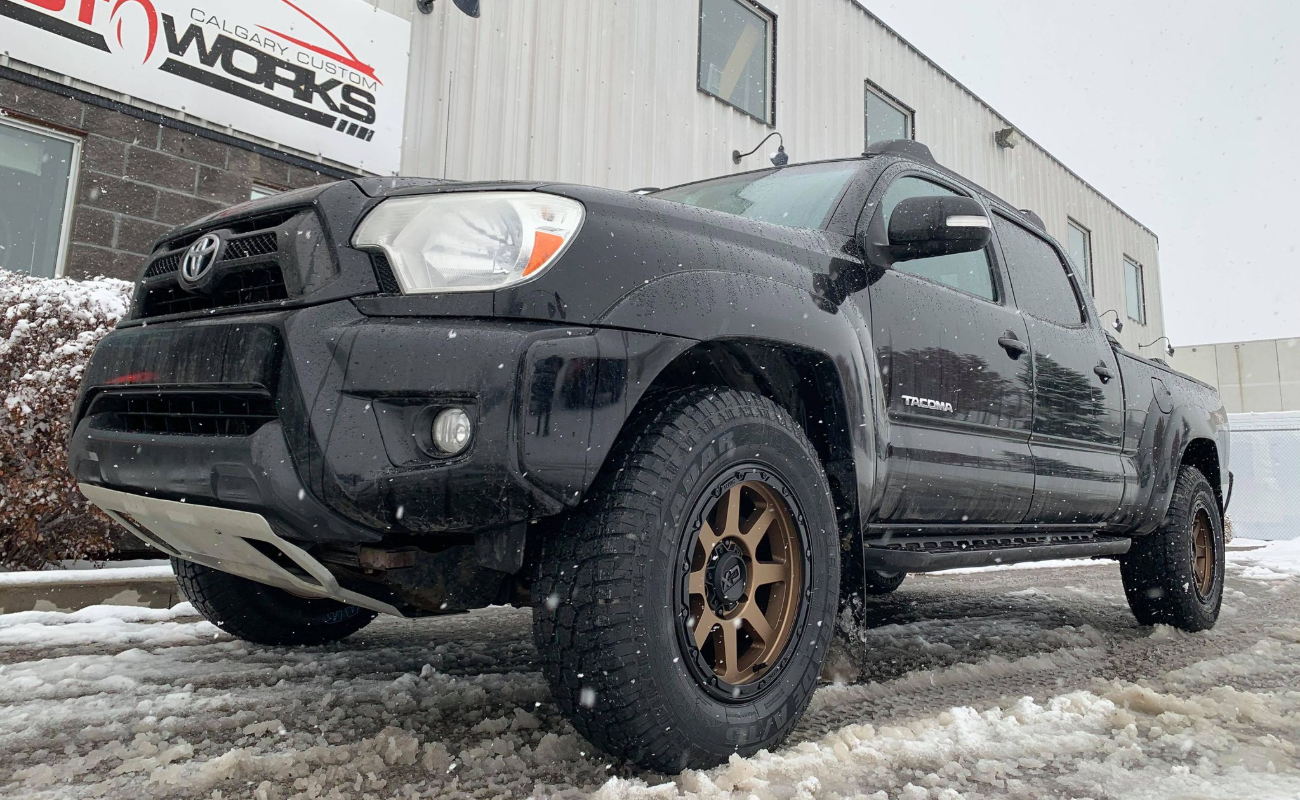
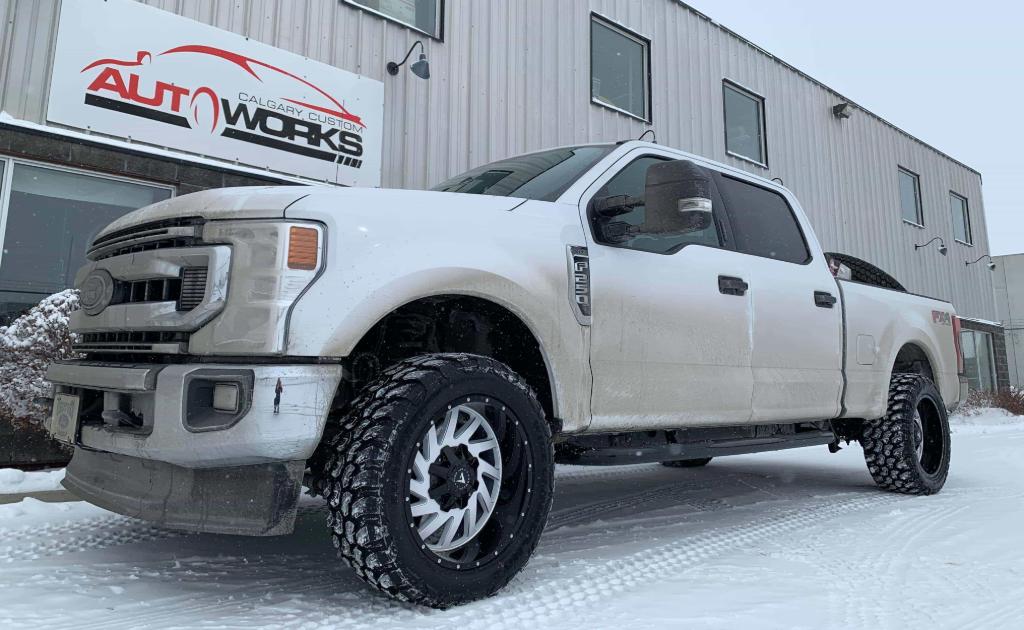
- Characteristics: Designed for off-road driving, these tires have a rugged construction with deep treads and reinforced sidewalls.
- Best For: Mixed driving conditions, including off-road and snowy terrain. They provide versatility but may not perform as well on pure ice.
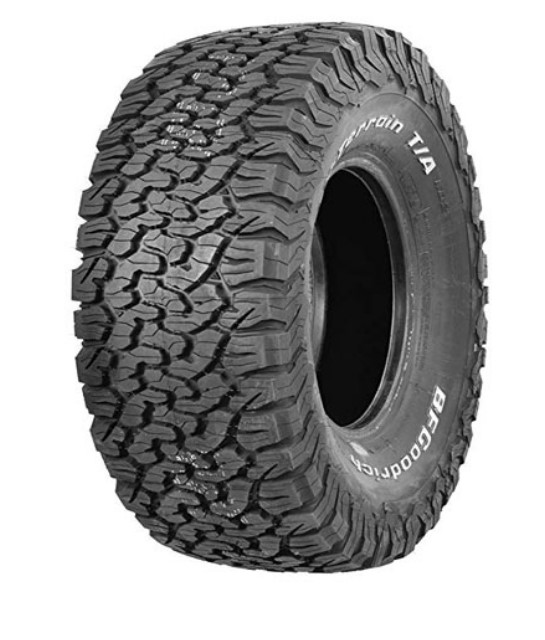
- Example: BFGoodrich All-Terrain T/A KO2 – Known for its durability and performance in various conditions, including snow and mud.
Key considerations when choosing winter tires
- Tread Pattern and Depth
- Look for tires with deep, aggressive treads for snow and ice traction.
- Tread patterns with wider grooves help channel snow and slush away from the tire.
- Rubber Compound
- Winter tires use special rubber compounds that stay flexible in cold temperatures, enhancing grip.
- All-terrain tires might not have the same flexibility but offer durability in mixed conditions.
- Siping
- Sipes are small slits in the tread blocks that provide additional biting edges for improved traction on ice and packed snow.
- Studded vs. Studless
- Studded tires offer extra grip on icy surfaces but can be noisy and may damage road surfaces.
- Studless tires provide a balance of performance and road friendliness, often preferred for urban areas.
- Tire Size
- Ensure the tires fit your vehicle’s specifications. Larger tires may offer better off-road performance but can impact fuel efficiency.
Top Winter Tire Recommendations
Bridgestone Blizzak DM-V2- Exceptional traction on ice and snow.
- Enhanced bite particles in the tread for better grip.
- Long-lasting winter performance.
- Superior braking on ice.
- Great traction in deep snow.
- Features Winter Reactive Technology for improved grip.
Top All-Terrain tire recommendations
| Tire Model | Features | Best For | Price Range |
| BFGoodrich All-Terrain T/A KO2 | Rugged durability, deep treads | Off-road and snowy conditions | $180 – $270 |
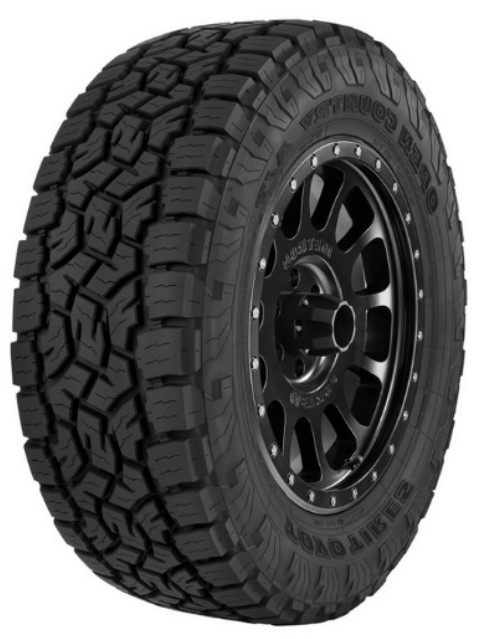
| Toyo Open Country A/T III | Versatile performance, enhanced tread design | Snow, mud, and mixed terrains | $170 – $250 |
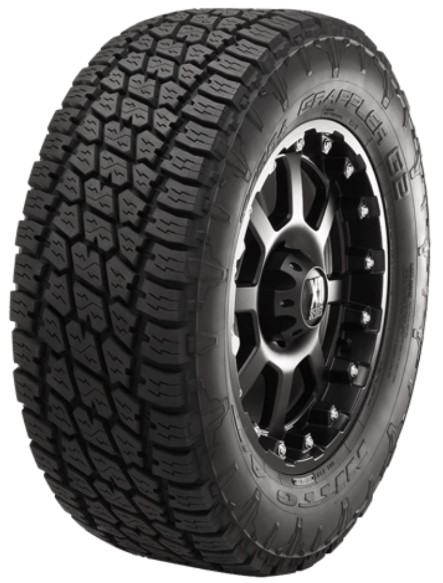
| Nitto Terra Grappler G2 | Reinforced construction, versatile performance | Mixed terrains and light snow | $160 – $240 |
Detailed Reviews
BFGoodrich All-Terrain T/A KO2- Features: Rugged durability for off-road and snowy conditions. Deep treads for excellent traction.
- Best For: Heavy-duty performance in various off-road and snowy conditions.
 Toyo Open Country A/T III
- Features: All-around performance in various conditions. Enhanced tread design for snow and mud.
- Best For: Versatile driving in snow, mud, and mixed terrains.
 Nitto Terra Grappler G2
- Features: Versatile performance for mixed terrains. Reinforced construction for durability.
- Best For: Drivers needing a balance of on-road and off-road capabilities with decent snow performance.
Expert advice for choosing All-Terrain truck tires for winter
- Understand Your Driving Environment: Assess the typical winter conditions you encounter. For mixed terrains, all-terrain tires offer a balance of performance on and off the road.
- Check Tire Reviews and Ratings: Look for reviews from other truck owners and experts. User feedback and professional reviews provide valuable insights into a tire’s real-world performance.
- Consider Your Driving Habits: If you often carry heavy loads or tow trailers, prioritize tires with high load ratings and reinforced sidewalls. For long highway drives, choose tires with good stability and low noise levels.
- Regular Maintenance: Even the best tires require regular maintenance. Check tire pressure frequently, rotate tires according to the manufacturer’s recommendations, and inspect for wear and damage.
- Budget Wisely: High-quality tires are an investment in your safety. While it might be tempting to opt for cheaper options, investing in reputable brands known for durability and performance can save you money and ensure your safety in the long run.