Understanding winter tires: Types and differences
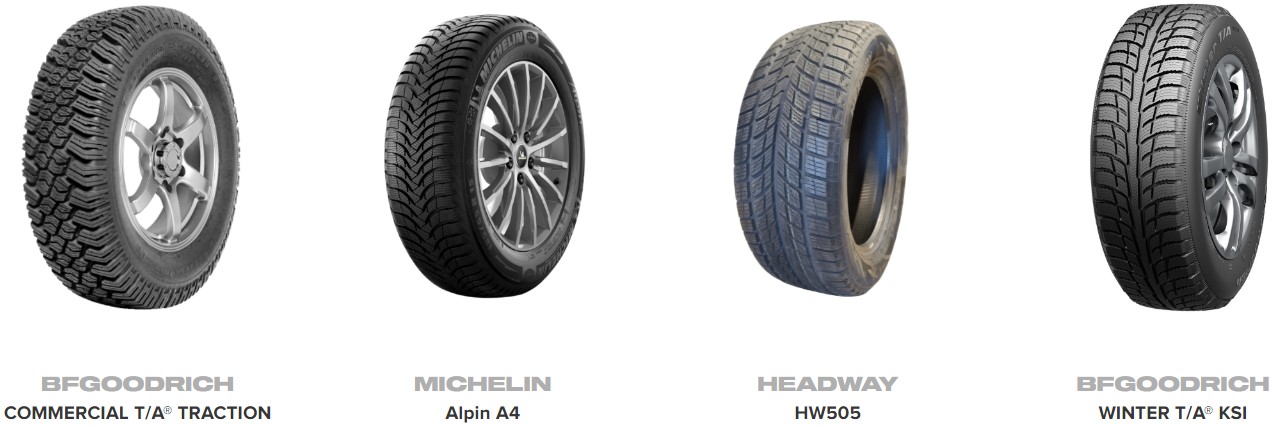
Winter tires are specifically designed to perform in cold weather conditions, particularly on snow and ice. The two primary types of winter tires are Studded and Studless.- Studded winter tires:
- Features: These tires have metal studs embedded in the tread. The studs dig into ice, providing excellent traction.
- Best for: Extremely icy conditions or areas where black ice is common.
- Drawbacks: Studded tires can be noisy on dry pavement and may cause additional wear on roads. They are also regulated or banned in some areas, so it’s essential to check local laws before purchasing.
- Studless winter tires:
- Features: These tires use advanced rubber compounds and tread designs to provide grip on snow and ice without the need for metal studs. They remain flexible in freezing temperatures, enhancing traction.
- Best for: A variety of winter conditions, including snow, slush, and cold dry roads.
- Drawbacks: While excellent in most winter conditions, they may not perform as well as studded tires on sheer ice.
Cost considerations for winter tires
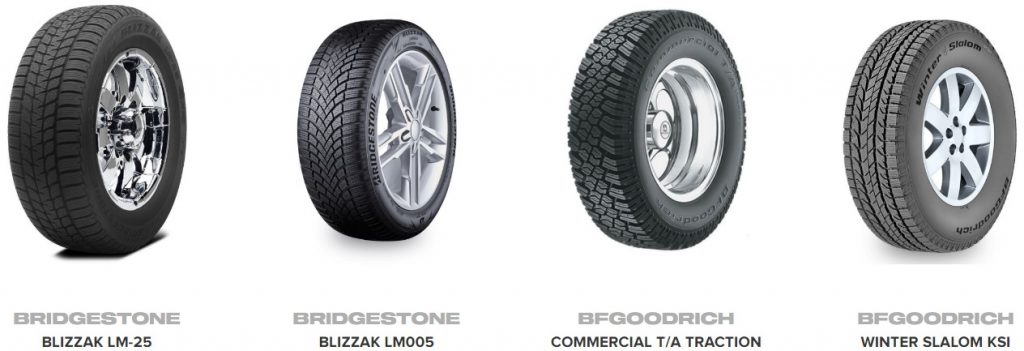
The cost of winter tires can vary significantly depending on the brand, type, and size. On average, a set of winter tires can range from $500 to $1,200, excluding installation and other fees. Here’s a breakdown of what affects the price:- Brand: Premium brands like Michelin and Bridgestone tend to be more expensive, but they often offer superior performance and longevity.
- Tire size: Larger tires for SUVs and trucks typically cost more than smaller ones for sedans.
- Type: Studded tires are generally more expensive than studless due to the additional manufacturing processes involved.
Winter tire comparison chart
| Feature | Studded Winter Tires | Studless Winter Tires |
| Traction on Ice | Excellent due to metal studs | Good, but not as effective as studded |
| Traction on Snow | Very Good | Excellent |
| Noise Level | High, especially on dry pavement | Quiet, comparable to all-season tires |
| Road Wear | Can cause additional road wear | Minimal impact on road surfaces |
| Legality | Restricted or banned in some areas | Legal everywhere |
| Cost | Typically higher due to added studs | Generally lower than studded tires |
| Ideal Conditions | Extreme ice and black ice | Varied winter conditions (snow, slush) |
5 Money-Saving tips on winter tires
- Shop early: Prices tend to spike as winter approaches, so buying your tires early in the fall can save you money. Some retailers offer early bird discounts or rebates during this time.
- Consider used or retreaded tires: If you’re on a tight budget, used or retreaded winter tires can be a cost-effective option. Ensure they’re in good condition and have enough tread depth to be effective in winter conditions.
- Look for promotions and rebates: Many tire manufacturers offer rebates or promotions during the fall and winter seasons. Check manufacturer websites or visit your local tire retailer to find the best deals.
- Buy online: Online retailers often have lower prices than brick-and-mortar stores. Be sure to compare prices across multiple websites and check for free shipping offers.
- Invest in a quality set: While it may be tempting to go for the cheapest option, investing in a high-quality set of winter tires can save you money in the long run. Better tires will last longer and provide better performance, reducing the risk of accidents and the need for premature replacements.