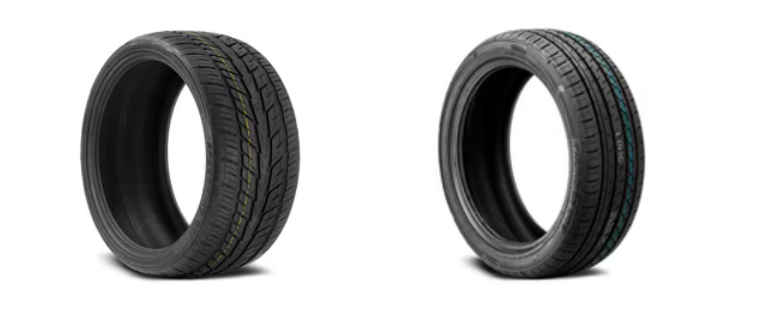
Understanding the difference between highway and city summer tires
Highway summer tires are engineered for stability, fuel efficiency, and long-distance comfort. They typically feature a smoother tread pattern that reduces rolling resistance and road noise, making them ideal for consistent speeds and extended trips.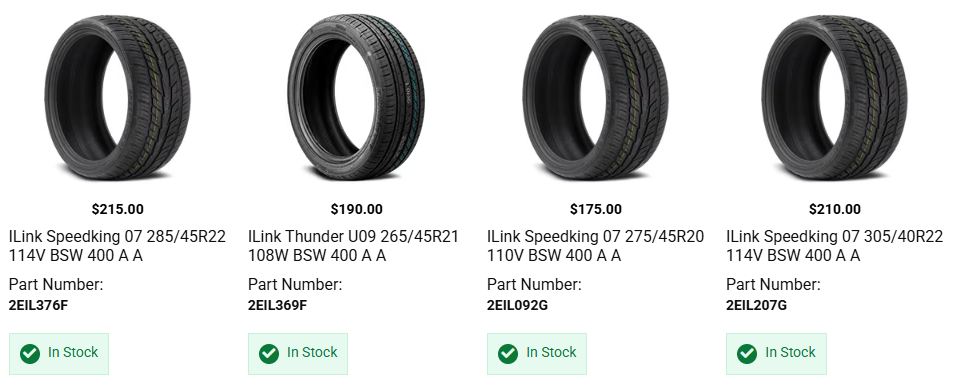 City summer tires, on the other hand, are optimized for responsiveness and durability in stop-and-go traffic. Their tread designs often prioritize grip, braking performance, and resistance to wear caused by frequent acceleration, braking, and cornering.
How your driving habits influence your choice
The way you use your vehicle should be the primary factor in your decision. If your daily routine involves long commutes on open roads or frequent intercity travel, highway tires will provide a quieter ride and better fuel economy. They also tend to wear more evenly under steady conditions. In contrast, urban drivers benefit more from city-focused summer tires. Tight turns, traffic lights, and unpredictable road conditions demand quicker handling and a stronger grip. These tires are built to cope with that constant variation without sacrificing performance.Performance priorities
When choosing between the two, it helps to clarify what you value most:- Comfort and noise reduction: Highway tires excel here
- Handling and responsiveness: City tires take the lead
- Fuel efficiency: Typically better with highway designs
- Durability under stress: City tires are more resilient in harsh stop-start conditions
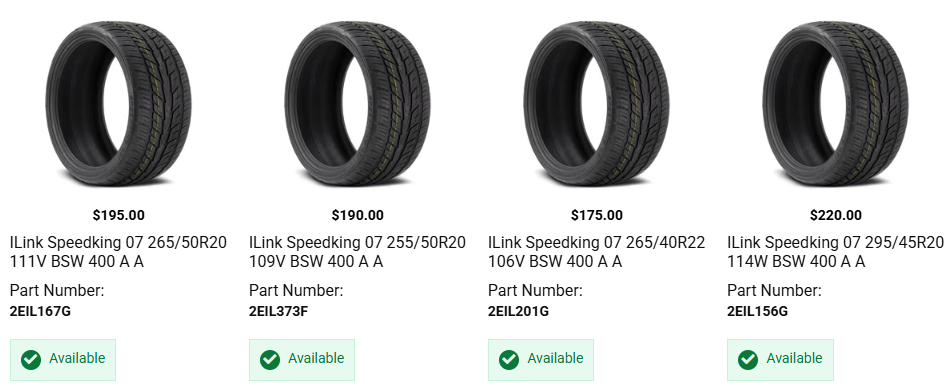
Our summer tire lineup comparison
To help you make a more informed decision, here’s a comparison of our current summer tire lineup, highlighting how each model fits different driving needs. Before diving into the table, it’s worth noting that modern tire design often blends characteristics. Some models offer a hybrid approach, but each still leans toward either highway comfort or city performance.| Model Name | Best For | Key Strengths | Driving Feel | Noise Level | Longevity |
| AeroCruise H1 | Highway driving | Low rolling resistance, smooth ride | Stable and relaxed | Very low | High |
| Velocity Tour Pro | Highway driving | Fuel efficiency, even tread wear | Balanced and steady | Low | High |
| UrbanGrip X | City driving | Strong braking, enhanced traction | Responsive and agile | Medium | Medium |
| MetroPulse S | City driving | Cornering grip, reinforced sidewalls | Sporty and controlled | Medium | Medium |
| DualDrive Hybrid | Mixed use | Versatile performance, adaptive tread | Balanced | Low | Medium-High |