What is TPMS?
TPMS stands for tire pressure monitoring system. It is designed to alert the driver when one or more tires are significantly underinflated. There are two main types of TPMS:| TPMS type | How it works | Common reset method |
| Direct TPMS | Uses pressure sensors mounted inside each wheel | Sensor relearn, scan tool, vehicle menu, or driving procedure |
| Indirect TPMS | Uses wheel speed data from ABS sensors to detect pressure differences | Reset through the dashboard menu or button after setting pressures |
Why does the TPMS light come on after changing tires?
The TPMS light may come on after a seasonal tire change for several reasons:| Reason | What it means |
| Tire pressure was not adjusted | Seasonal temperature changes affect air pressure |
| Sensors were not relearned | The vehicle does not recognize the new wheel set |
| Sensor batteries are weak | TPMS sensors have internal batteries that eventually fail |
| One or more sensors are missing | A second wheel set may not have TPMS sensors installed |
| An incorrect sensor type was used | Some vehicles require specific sensor frequencies or programming |
| The reset procedure was not completed | Some vehicles need a manual reset or drive cycle |
How do you reset TPMS after a seasonal tire change?
The exact reset process depends on the vehicle. In general, follow these steps:- Check the recommended tire pressure on the driver-side door placard.
- Inflate all tires to the correct cold pressure.
- Start the vehicle.
- Look for a TPMS reset option in the vehicle settings menu.
- Select reset, recalibrate, or relearn if available.
- Drive the vehicle for 10 to 30 minutes at a moderate speed.
- Confirm the warning light turns off.
Can you reset TPMS yourself?
Yes, you can reset TPMS yourself on many vehicles, especially if the system is indirect or menu-based. You may be able to reset it using:| Reset method | Best for |
| Dashboard menu | Newer vehicles with built-in TPMS calibration |
| TPMS reset button | Some older models |
| Driving relearn | Vehicles that auto-detect sensor positions |
| OBD relearn tool | Vehicles requiring electronic sensor registration |
| Professional scan tool | Complex systems or repeated TPMS errors |
What is a TPMS relearn?
A TPMS relearn is the process of teaching the vehicle which sensors are installed and where they are located. This matters because your winter wheels and summer wheels may each have their own sensors. When you switch sets, the vehicle may still be looking for the previous sensors. There are three common relearn types:| Relearn type | How it works |
| Auto relearn | The vehicle detects sensors after driving |
| Stationary relearn | Sensors are activated one by one with a TPMS tool |
| OBD relearn | Sensor IDs are written into the vehicle computer using a scan tool |
How long does TPMS take to reset?
In many vehicles, TPMS resets within 10 to 30 minutes of driving after the tires are inflated properly. Some vehicles may need a longer drive cycle. If the light does not turn off after a proper reset and drive, there may be another issue, such as:| Problem | Possible solution |
| Low tire pressure | Inflate to correct cold pressure |
| Dead sensor battery | Replace the TPMS sensor |
| Unprogrammed sensor | Program or relearn the sensor |
| Wrong sensor frequency | Install a compatible sensor |
| Damaged valve stem sensor | Replace the sensor assembly |
| Vehicle memory mismatch | Perform OBD relearn |
Do you need TPMS sensors on winter tires?
If your vehicle uses direct TPMS and you install winter tires on separate rims, each wheel should ideally have its own TPMS sensor. Without sensors, the TPMS warning light may stay on all season. This can be annoying, but more importantly, it removes an important tire safety warning system. Installing sensors in both seasonal wheel sets makes tire changes faster and helps the vehicle monitor pressure year-round.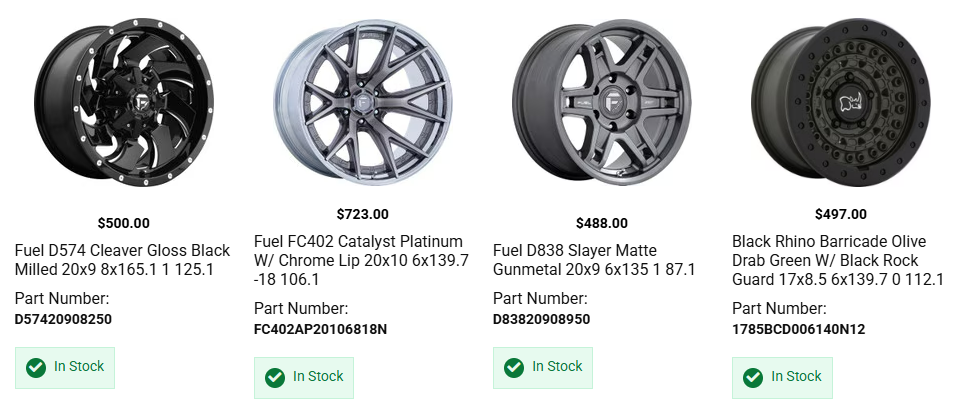
Product lineup comparison
Choosing the right TPMS solution depends on whether you are simply swapping tires, installing a second wheel set, replacing old sensors, or correcting a warning light that will not clear. At Canada Custom Autoworks, the goal is to match the service to the problem instead of treating every TPMS light the same way.| Product or service | Best for | What it includes | Main benefit |
| Seasonal tire change | Drivers switching between winter and summer tires | Tire swap, pressure check, basic inspection | Keeps your vehicle ready for the season |
| TPMS reset | TPMS light after tire change | Pressure verification and reset procedure | Clears simple TPMS warnings |
| TPMS relearn | Vehicles with separate seasonal wheel sets | Sensor recognition and position relearn | Helps the vehicle read the correct sensors |
| TPMS sensor programming | New or replacement sensors | Sensor setup for compatible vehicles | Ensures sensors communicate properly |
| TPMS sensor replacement | Dead, damaged, or missing sensors | New sensor installation and setup | Restores full monitoring function |
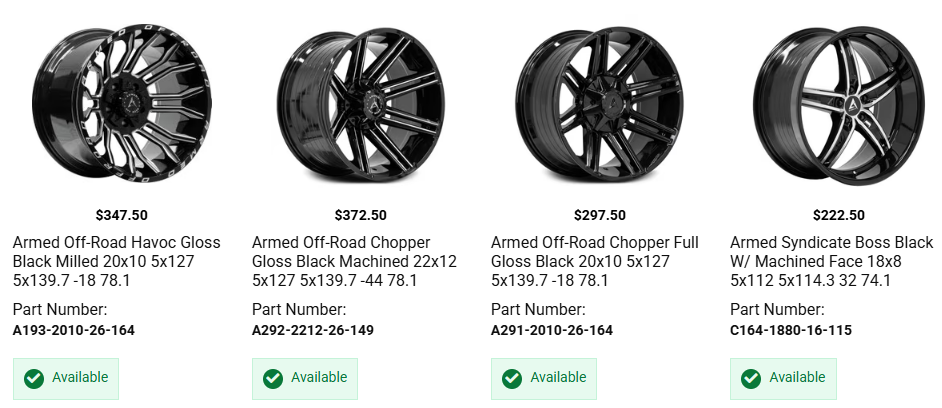
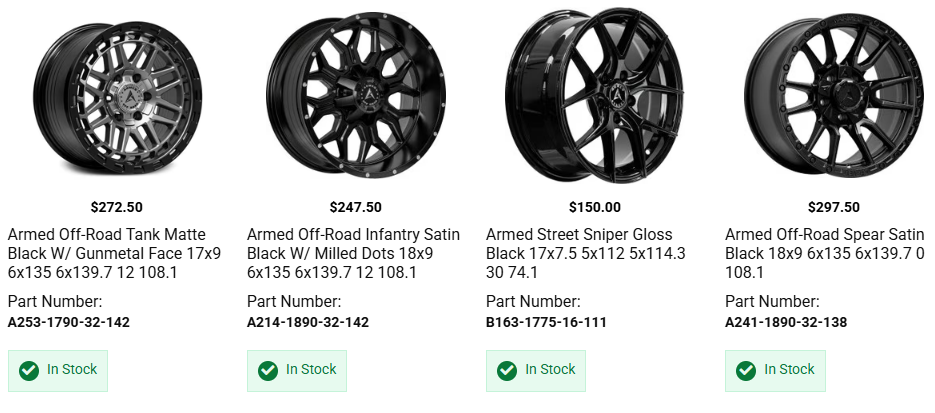
| Wheel and tire packages | Drivers wanting dedicated seasonal sets | Tires, wheels, and optional TPMS sensors | Faster seasonal swaps and better convenience |
Should tire pressure be adjusted before or after a reset?
Tire pressure should always be adjusted before the reset. A reset tells the vehicle that the current tire condition is the new baseline. If the tires are underinflated when the reset is performed, the system may not warn you properly. Always check pressure when the tires are cold. Tire pressure rises as tires heat up during driving, so hot readings can be misleading.Why is tire pressure lower when the weather gets cold?
Air pressure drops as temperature drops. That is why TPMS warnings are common during the first cold days of the season. Even if your tires were correctly inflated in warmer weather, they may be underinflated once temperatures fall. This is one reason seasonal tire service should include pressure adjustment, not just wheel installation.What if the TPMS light flashes?
A flashing TPMS light usually means the system has detected a fault. It may flash for about a minute and then stay solid. Common causes include:| Cause | Explanation |
| Dead sensor battery | The sensor can no longer transmit |
| Missing sensor | A wheel does not have a sensor installed |
| Incorrect sensor | The sensor is not compatible with the vehicle |
| Failed relearn | The vehicle did not accept the sensor IDs |
| Damaged sensor | The sensor may have been damaged during tire service |
Can driving with the TPMS light on damage your vehicle?
The light itself does not damage the vehicle, but ignoring it can lead to problems. Low tire pressure can cause:| Risk | Why it matters |
| Poor fuel economy | Underinflated tires create more rolling resistance |
| Uneven tire wear | Tires may wear faster on the edges |
| Reduced handling | Steering and braking can feel less stable |
| Tire overheating | Excess flex can create heat buildup |
| Blowout risk | Severely underinflated tires are more vulnerable |
Why does TPMS matter after a seasonal tire change?
Seasonal tire changes are one of the most common times for TPMS issues to appear. Wheels are removed, sensors may change, temperatures shift, and tire pressures need adjustment. A proper seasonal change should include:| Step | Why it matters |
| Checking tire pressure | Confirms safe inflation |
| Inspecting valve stems | Finds leaks or sensor damage |
| Verifying TPMS sensors | Confirms sensors are present and compatible |
| Performing relearning if needed | Helps the vehicle recognize the installed wheel set |
| Confirming warning light status | Ensures the system is working before the vehicle leaves |
When should you visit a professional?
You should book TPMS service if:| Situation | Why professional service helps |
| The TPMS light will not turn off | The system may need a scan tool |
| The light flashes | There may be a sensor fault |
| You installed a second wheel set | Sensors may need relearning |
| You replaced TPMS sensors | New sensors may need programming |
| Your vehicle shows tire positions incorrectly | Sensor locations may need correction |
| You are unsure which TPMS type you have | A technician can identify the system |
What is the best way to avoid TPMS problems next season?
The best solution is preparation. If you use separate winter and summer wheel sets, make sure both sets have compatible TPMS sensors installed and programmed. Before storing off-season tires, check:| Item | What to look for |
| Sensor condition | No visible damage or corrosion |
| Valve stems | No cracking or leaks |
| Tire pressure | Adjust before storage if needed |
| Tire tread | Enough tread for next season |
| Wheel condition | No bends, cracks, or bead leaks |