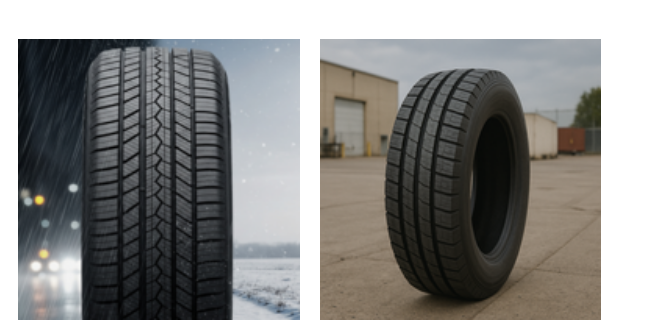
What causes uneven tire wear during winter?
Winter driving creates a perfect storm for tire wear issues. Cold temperatures reduce tire pressure, potholes damage suspension components, and slippery roads encourage sudden braking and acceleration. Common causes include:- Improper tire pressure due to temperature swings
- Wheel misalignment from hitting potholes or curbs
- Worn suspension components
- Unbalanced tires after seasonal swaps
- Aggressive winter driving habits
How can you identify uneven tire wear?
1. Tread depth differences
Run your hand across the tire tread. If one side feels smoother or more worn than the other, that’s a red flag.2. Feathering
Tread ribs feel sharp on one side and smooth on the other. This often points to alignment issues.3. Cupping or scalloping
You’ll notice dips or waves in the tread. This usually indicates suspension or balance problems.4. Edge wear
- Inner edge wear: alignment problems (camber issues)
- Outer edge wear: underinflation or aggressive cornering
5. Center wear
Typically caused by overinflation, which is common when temperatures fluctuate.When should you inspect your tires after winter?
Ideally, inspect your tires:- Immediately after switching from winter to all-season/summer tires
- Every 5,000–8,000 km
- Whenever you notice vibration or pulling while driving
What should you do if you notice uneven wear?
Get a wheel alignment
This is usually the first and most important fix. Misalignment is the leading cause of uneven wear after winter.Balance your tires
If you feel vibrations at highway speeds, balancing is essential.Rotate your tires
Regular rotation helps distribute wear evenly and extends tire life.Inspect suspension components
Worn shocks or struts can cause irregular patterns like cupping.Replace tires if necessary
If wear is severe or tread depth is too low, replacement is the safest option.How do our tire and wheel solutions compare?
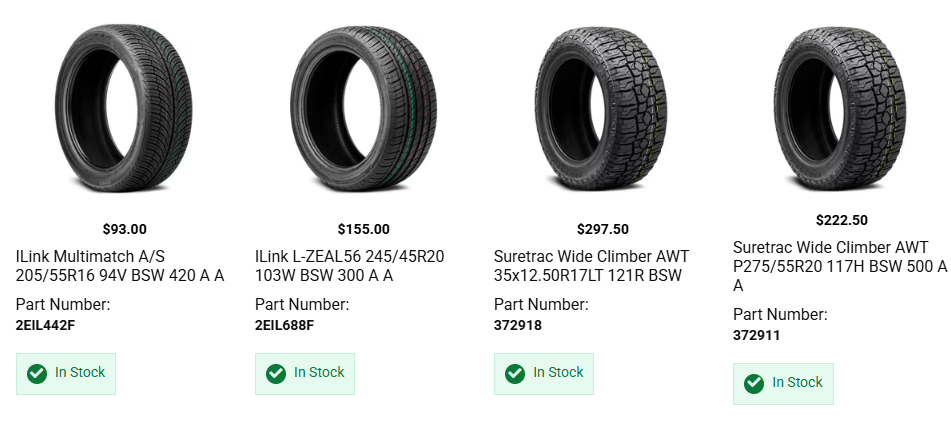
Choosing the right setup after winter isn’t just about replacing what’s worn, it’s about upgrading to prevent the same issues next season. Below is a comparison of our offerings to help you decide what fits your needs.| Product/Service | Best For | Key Benefits | When to Choose |
| Performance All-Season Tires | Daily drivers | Balanced wear, year-round usability | Mild climates, mixed conditions |
| Winter Tire Packages | Harsh winters | Maximum grip, reduced slipping | Snow-heavy regions |
| Wheel Alignment Service | Uneven wear correction | Improves handling, extends tire life | After winter or pothole damage |
| Tire Rotation & Balancing | Maintenance | Even tread wear, smoother ride | Every 5,000–8,000 km |
| Custom Wheel & Tire Packages | Style + performance | Optimized fitment, improved durability | Upgrading your vehicle setup |
Can uneven tire wear be prevented?
Yes, consistent maintenance is the key. Follow these best practices:- Check tire pressure monthly (especially during temperature changes)
- Rotate tires regularly
- Avoid potholes when possible
- Schedule seasonal inspections
- Align your wheels at least once a year
What are the risks of ignoring uneven tire wear?
Ignoring the issue can lead to:- Reduced traction and safety
- Longer braking distances
- Poor fuel efficiency
- Premature tire replacement
- Strain on suspension components