How do you prepare truck or SUV tires for towing in hot summer conditions?
Posted on
Heat changes everything. What feels like a routine towing job in mild weather can quietly turn risky once pavement temperatures soar. Tires, often overlooked, become the most stressed component in your setup. Preparing them properly isn’t about one quick check; it’s about understanding how load, pressure, speed, and heat interact. Here’s a practical, expert-level Q&A guide to getting your truck or SUV tires ready for safe summer towing.
Why is summer towing harder on tires?
Hot weather increases tire pressure naturally as air inside expands. At the same time, towing adds extra load and friction, which generates even more heat. This combination can accelerate wear, reduce traction, and in worst cases, lead to blowouts. Asphalt itself can reach extreme temperatures, further stressing the rubber compound.
What tire pressure should you use when towing in heat?
Start with the manufacturer’s recommended pressure for towing or heavy loads, usually found on the driver’s door placard or in the owner’s manual.
Inflate tires when they are cold, before driving.
Do not reduce pressure if it rises during driving; that increase is normal.
Underinflation is far more dangerous than slight overinflation in hot conditions.
For towing, many setups require running closer to the maximum load-rated pressure, especially for rear tires.
How does load rating affect towing safety?
Every tire has a load rating that determines how much weight it can safely carry. When towing:
Ensure your tires’ load index matches or exceeds the combined weight of vehicle, cargo, and trailer tongue weight.
Passenger-rated tires (P-metric) may not be sufficient LT (Light Truck) tires are often better for towing.
Overloading a tire in hot weather dramatically increases failure risk.
Should you adjust tire type for summer towing?
Yes, if towing is frequent or heavy:
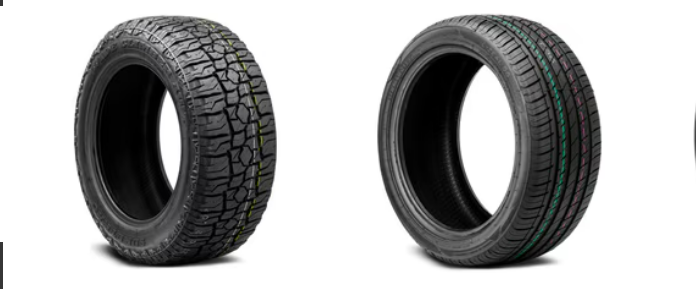
All-terrain tires: Good balance for mixed use, but may run hotter under heavy loads.
Highway terrain tires: Typically better for towing due to lower rolling resistance and heat buildup.
LT-rated tires: Stronger sidewalls, better heat resistance, and improved load handling.
Avoid overly soft or worn tires they heat up faster and degrade quickly.
How important is tread condition?
Extremely important. In hot conditions:
Minimum tread depth should be well above legal limits, aim for at least 5–6 mm for towing.
Uneven wear can indicate alignment or suspension issues, which worsen under load.
Cracks or dry rot are warning signs that heat will accelerate failure.
Healthy tread helps dissipate heat and maintain grip, especially during braking.
Do you need to check tire age?
Absolutely. Even if the tread looks good:
Tires older than 5–6 years may have a weakened internal structure.
Heat speeds up rubber degradation, making older tires more prone to blowouts.
Check the DOT code on the sidewall to confirm the manufacturing date.
How does speed impact tire safety in summer towing?
Speed is one of the biggest hidden risks.
Higher speeds = more friction = more heat.
Many truck and trailer tires are rated for maximum speeds around 100–120 km/h (62–75 mph).
Reducing speed by even 10–15 km/h can significantly lower tire temperature and extend durability.
Should you rotate or balance tires before towing trips?
Yes, especially before long trips.
Rotation ensures even wear across all tires.
Balancing reduces vibration, which can worsen under load.
Alignment checks help prevent uneven stress and overheating.
This preparation improves stability and extends tire life.
What about trailer tires? Do they need special attention?
Definitely. Trailer tires often fail before vehicle tires.
Use ST (Special Trailer) tires, not passenger tires.
Inflate to the maximum rated pressure unless specified otherwise.
Inspect for sidewall bulges, cracks, and uneven wear.
Trailer tires endure constant load without steering relief, making them more vulnerable in heat.
How can you monitor tire condition during a trip?
Stay proactive:
Check tire pressure at fuel stops (after cooling if possible).
Feel for excessive heat by placing your hand near (not directly on) the sidewall.
Use a TPMS (Tire Pressure Monitoring System) if available.
Early detection prevents roadside failures.
Are there driving habits that help protect tires?
Yes, driving style matters more than most think:
Accelerate gradually to reduce strain.
Avoid sudden braking, especially downhill.
Take breaks every 2–3 hours to allow tires to cool.
Avoid potholes and debris, they’re more damaging under load.
Preparing tires for summer towing isn’t a single step it’s a system of checks and smart habits. Heat amplifies every weakness, from low pressure to aging rubber. When your tires are correctly rated, properly inflated, and carefully monitored, they become reliable partners instead of potential liabilities. Treat them with the same attention you give your engine or brakes, and your towing setup will handle summer conditions with far greater confidence.