What happens to tire pressure in hot weather?
Tire pressure naturally increases as temperatures rise. For every 10°C (18°F) increase in ambient temperature, tire pressure can rise by about 1–2 PSI. On highways, this effect intensifies because:- Tires flex more at higher speeds
- Friction generates additional heat
- Prolonged driving builds internal air pressure
What is the correct baseline tire pressure?
Your correct pressure is not printed on the tire it’s specified by your vehicle manufacturer. You’ll find it:- Inside the driver’s door jamb
- In the owner’s manual
- Vehicle weight
- Suspension design
- Load distribution
How should you adjust tire pressure for summer?
In most cases, you do not need to drastically change your tire pressure for summer. Instead:- Inflate tires to the manufacturer-recommended PSI when cold
- Check pressure more frequently (heat causes fluctuations)
- Avoid “bleeding air” from warm tires after driving
Should highway driving change your tire pressure?
Not directly, but it changes how critical accuracy becomes. Highway driving means:- Sustained high speeds
- Continuous heat buildup
- Greater load stress
- Excessive heat builds up
- Tire wear increases
- Risk of blowouts rises
- Reduced traction
- Uneven center wear
- Harsher ride
How often should you check tire pressure in summer?
More often than you think:- At least once every 2 weeks
- Before long, highway drives
- During temperature swings
- In the morning (cold tires)
- With a reliable pressure gauge
Do different tires require different pressure strategies?
Yes, especially when dealing with performance or SUV tires. Factors include:- Tire size (low-profile vs standard)
- Load index
- Speed rating
What are the signs that your tire pressure is incorrect?
Watch for:- Uneven tread wear
- Steering instability
- Reduced fuel efficiency
- Excessive heat smell after driving
Which tires are suitable for summer and highway driving?
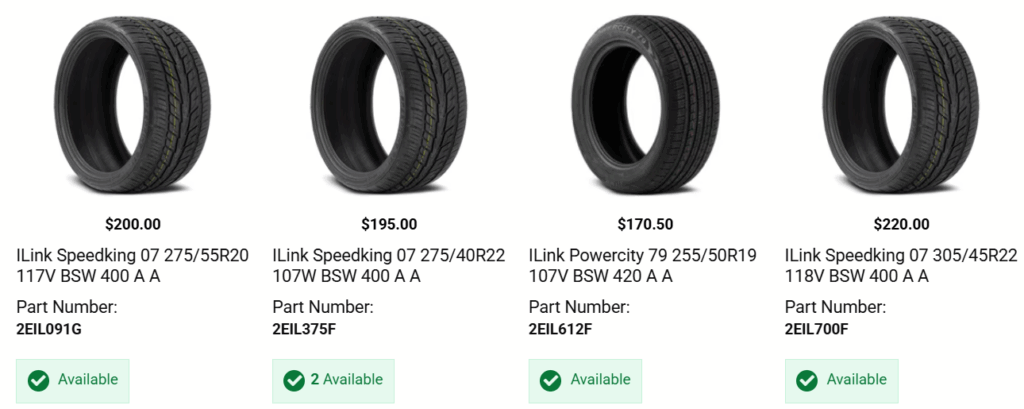
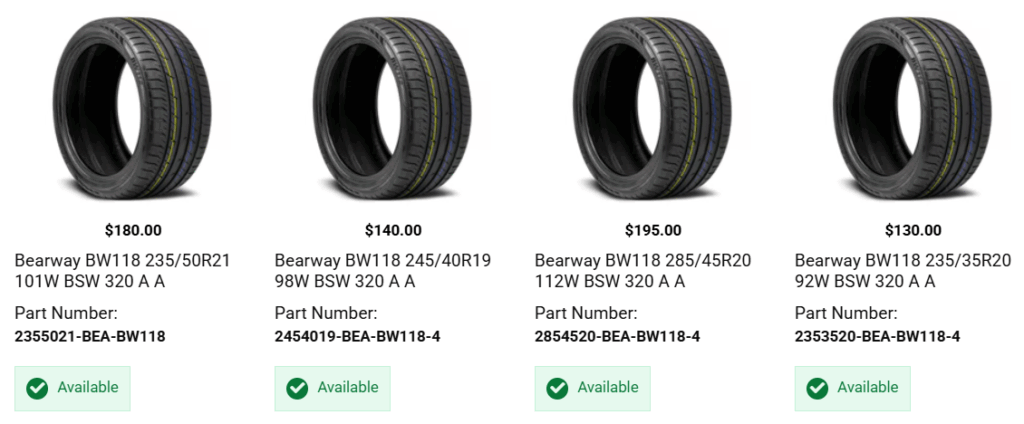
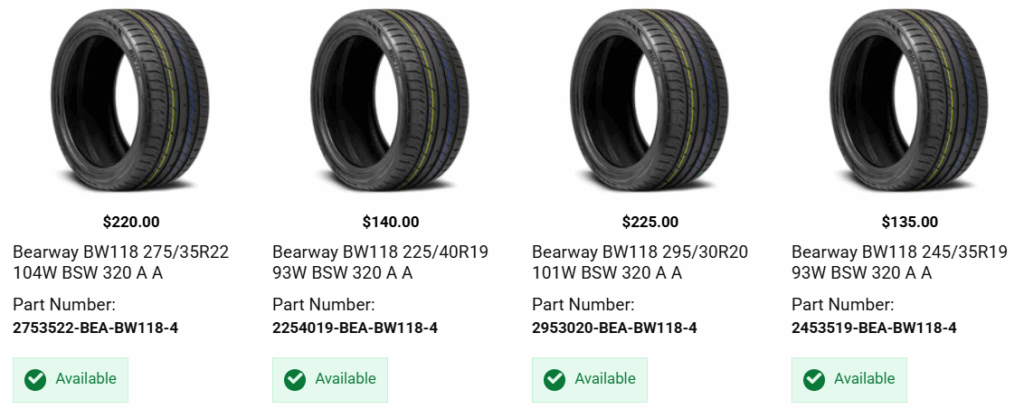
Below is a selection of performance-oriented tires designed for stability, durability, and heat resistance in summer conditions:| Product | Description |
| iLink Thunder U09 265/45R21 108W BSW 400 A A Tires – https://www.canadacustomautoworks.com/ilink-thunder-u09-26545r21-108-w-bsw-2eil369f | A balanced summer tire offering strong grip and stability, ideal for SUVs and highway cruising in warm temperatures. |
| iLink Speedking 07 305/40R22 114V BSW 400 A A Tires – https://www.canadacustomautoworks.com/ilink-speedking-07-30540r22-114-v-bsw-2eil207g | Designed for high-performance vehicles, this tire provides excellent handling and heat resistance at highway speeds. |
| Bearway BW118 315/30R22 107V BSW 320 A A Tires – https://www.canadacustomautoworks.com/bearway-bw118-31530r22-107-v-bsw-3153022-bea-bw118-4 | A wide, low-profile tire built for aggressive grip and sporty driving in hot conditions. |
| iLink Speedking 07 285/40R22 110V BSW 400 A A Tires – https://www.canadacustomautoworks.com/ilink-speedking-07-28540r22-110-v-bsw-2eil204g | Combines comfort and performance, making it suitable for long-distance summer highway driving. |
| iLink Speedking 07 315/35R20 110W BSW 400 A A Tires – https://www.canadacustomautoworks.com/ilink-speedking-07-31535r20-110-w-bsw-2eil699f | A performance-focused tire offering enhanced traction and stability under high-speed conditions. |
| iLink Thunder U09 295/35R21 107W BSW 400 A A Tires – https://www.canadacustomautoworks.com/ilink-thunder-u09-29535r21-107-w-bsw-2eil405g | Engineered for responsive handling and consistent performance in hot weather and highway use. |
Is nitrogen better than regular air in summer?
Nitrogen can offer slightly more stable pressure because it expands less with temperature changes. However:- The difference is relatively small for most drivers
- Regular air works perfectly fine if monitored properly