What is the difference between 33 and 35 tires on a Ford F-150?
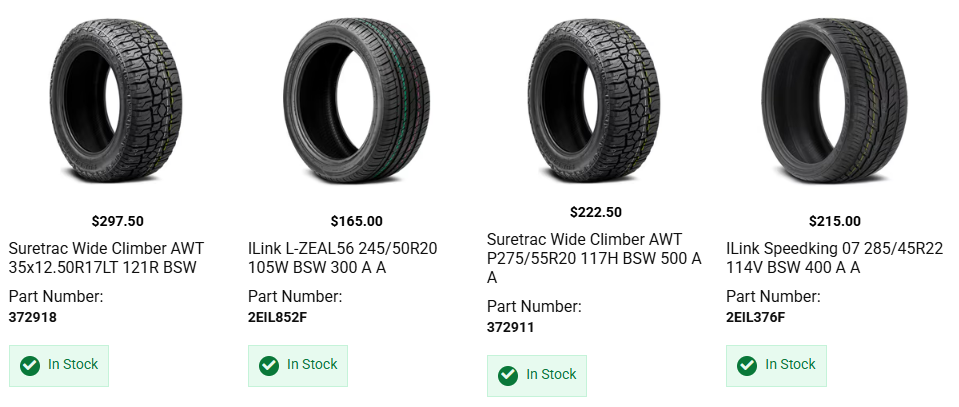
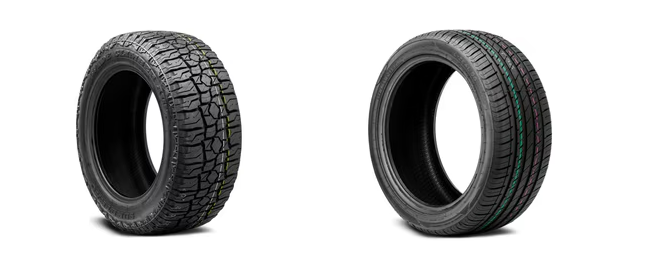
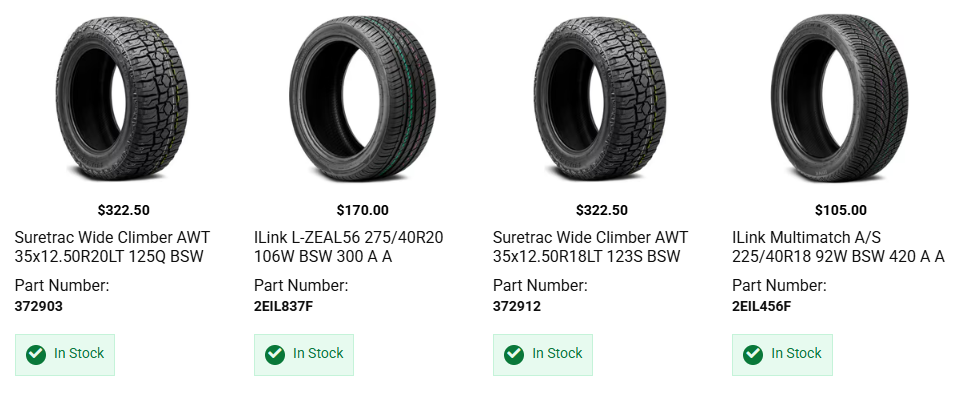
The difference between 33 and 35 tires is more than just two inches of overall diameter. That extra size affects clearance, gearing, braking feel, steering response, fuel economy, suspension behaviour, and the overall drivability of the truck. A 33 tire is often considered the more practical upgrade for many F-150 owners. It gives the truck a stronger stance and better clearance without requiring major modifications. In many cases, 33 tires can be paired with a levelling kit or mild suspension upgrade, depending on the wheel offset and the specific F-150 generation. A 35 tire creates a much more aggressive look and improves ground clearance further, but it usually requires more planning. To run 35 tires properly, especially without rubbing or compromising comfort, most trucks need a suspension lift, carefully selected wheels, proper alignment, and sometimes additional supporting upgrades.Can you install 33 tires on a Ford F-150 without hurting ride quality?
Yes, 33 tires are one of the best upgrades for maintaining a comfortable ride. When installed correctly, they can feel very close to stock while improving the truck’s appearance and capability. For many F-150 builds, 33 tires work well with a front levelling kit. A levelling kit raises the front of the truck to reduce the factory rake, giving the vehicle a more balanced stance. This also helps create extra clearance for larger tires. However, comfort depends on more than tire diameter. The tire’s load rating, tread design, wheel size, and air pressure all matter. A heavy-duty tire with a stiff sidewall can feel harsher than a properly chosen all-terrain tire, even if both are the same size. For daily driving, 33 tires are usually the safest choice if you want a noticeable upgrade without dramatically changing the way the truck drives.Can you install 35 tires on a Ford F-150 and still keep it comfortable?
Yes, but 35 tires need the right supporting setup. The most common mistake is trying to fit 35 tires with minimal suspension changes. That can lead to rubbing, poor suspension geometry, reduced turning clearance, and a rougher ride. To run 35 tires comfortably, an F-150 typically benefits from a proper suspension lift rather than just a basic level. A 4” to 6” lift is common, depending on the wheel and tire combination. The goal is not just to create space for the tire, but to keep the suspension operating correctly. Shock quality is especially important. Larger tires add weight, and that extra unsprung weight can make the truck feel slower to respond over bumps. Upgraded shocks help control that weight and keep the ride stable. If comfort is a priority, avoid overly aggressive mud-terrain tires unless you truly need them. A quality all-terrain tire is usually the better choice for daily driving.What affects ride quality after a tire upgrade?
Several factors determine whether your F-150 still rides smoothly after moving to 33 or 35 tires. The first factor is tire construction. Some tires are designed for heavy towing, commercial use, or severe off-road conditions. These often have stronger, stiffer sidewalls. While durable, they can make the truck feel firm on pavement. For a daily-driven F-150, an all-terrain tire with an appropriate load rating is usually more comfortable. The second factor is wheel size. Larger wheels reduce tire sidewall height. Less sidewall means less cushion between the road and the suspension. For example, a 35 tire on an 18” wheel will generally ride better than a similar tire on a 22” wheel because the 18” wheel leaves more sidewall to absorb impacts. The third factor is suspension quality. A basic lift may create clearance, but it does not always improve ride control. A better lift system with quality shocks or coilovers can make a big difference. The fourth factor is alignment. After changing tire size, wheel offset, or suspension height, the truck should be aligned properly. Poor alignment can cause wandering, uneven tire wear, and steering instability.Do you need a levelling kit or a lift kit?
For 33 tires, a levelling kit is often enough. It corrects the front-end rake and provides extra clearance while keeping the truck close to factory geometry. This is a good choice for owners who want a clean, practical upgrade. For 35 tires, a lift kit is usually the better approach. While some aggressive setups may squeeze 35 tires onto smaller lifts, that often requires trimming and careful wheel selection. If the goal is comfort and reliability, a proper suspension lift is the smarter route. A levelling kit is best for mild upgrades. A suspension lift is best when the tire size, stance, and off-road capability are being increased more significantly.What tire type should you choose for comfort?
For most F-150 owners, all-terrain tires are the best choice. They offer a strong balance of traction, road comfort, tread life, and appearance. They are also quieter than mud-terrain tires. Mud-terrain tires look aggressive and perform well in deep mud or rough trails, but they are usually louder, heavier, and less comfortable on the highway. They can also reduce fuel economy more noticeably. Hybrid tires sit between all-terrain and mud-terrain designs. They can be a good choice if you want a tougher look without going fully into mud-terrain territory. For daily driving, the best comfort-focused choice is usually a high-quality all-terrain tire in the correct size and load rating.How does wheel size affect 33 and 35 tire upgrades?
Wheel size has a major impact on ride comfort. Many owners focus on tire diameter but overlook the importance of sidewall height. An 18” wheel is often ideal for comfort because it allows more tire sidewall. A 20” wheel can still work well, especially if you want a more modern look, but the ride may be slightly firmer. Wheels larger than 20” can make the ride harsher because they reduce the tire’s ability to absorb bumps. Offset also matters. The wrong offset can cause rubbing against the fenders, crash bars, suspension components, or inner liners. A wider stance may look good, but too much poke can increase road spray, steering load, and clearance issues. The best wheel choice balances appearance, clearance, turning radius, and comfort.Will bigger tires affect fuel economy?
Yes, larger tires usually reduce fuel economy. This is because they are heavier and change the effective gearing of the truck. A 33 tire may only cause a modest decrease, depending on tread pattern and weight. A 35 tire can have a more noticeable effect, especially if paired with heavy wheels or aggressive tread. The truck may also feel slightly slower off the line because the engine has to work harder to rotate the larger tire. In some cases, re-gearing can help restore performance, especially for trucks running 35 tires, towing often, or using heavier wheel and tire packages.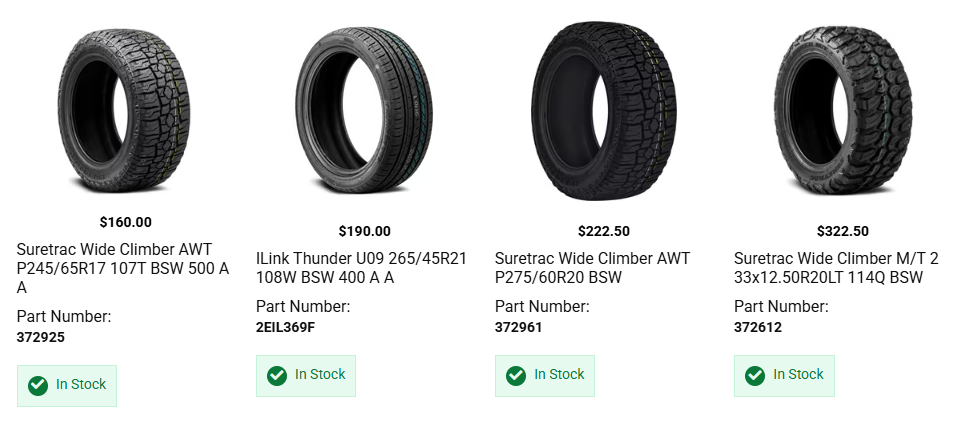
Will 33 or 35 tires affect towing?
They can. Larger tires change how the truck delivers power to the road. With bigger tires, the engine and transmission may work harder, especially while towing. For light towing, a 33 tire setup is usually manageable. For frequent towing, heavy loads, or 35 tires, you should consider how the tire upgrade affects gearing, braking feel, and stability. Choosing the right tire load rating is also important. A tire that is too soft may not be ideal for towing, while one that is too stiff may reduce comfort when unloaded. The right choice depends on how often the truck tows and how much weight it carries.Do you need to re-gear after installing 35 tires?
Not always, but it can help. Re-gearing changes the axle ratio to better match the larger tire size. This helps restore acceleration, transmission behaviour, and towing performance. If the truck is mainly used for daily driving and has enough power, re-gearing may not be necessary immediately. However, if the F-150 feels sluggish, hunts for gears, or tows frequently, re-gearing may be worth considering. For 33 tires, re-gearing is rarely needed. For 35 tires, it becomes more relevant.Will bigger tires cause rubbing?
They can if the setup is not planned correctly. Rubbing depends on tire size, wheel width, wheel offset, suspension height, and the specific F-150 model year. Common rubbing points include the front crash bars, inner fender liners, mud flaps, and upper control arm area. A proper wheel and tire package can reduce or avoid these issues. This is why professional fitment matters. Two trucks can both run 35 tires, but one may rub badly while the other clears properly because of small differences in offset, lift height, and alignment.How can you maintain factory-like ride quality?
To protect ride comfort, focus on the complete package rather than the tire size alone. Choose tires with the right load rating. Avoid overly stiff tires unless your truck needs them for towing, payload, or off-road durability. Keep enough sidewall. Smaller wheels with taller tires generally ride better than oversized wheels with thin sidewalls. Use quality suspension components. A basic spacer lift may be affordable, but a better suspension system with upgraded shocks can provide better control. Get a proper alignment. This improves steering feel, tire wear, and stability. Set the correct tire pressure. Overinflated tires often cause a harsh ride. Tire pressure should be adjusted based on tire size, load rating, vehicle weight, and use.What setup is best for your driving style?
Before choosing between 33 and 35 tires, consider how the truck is used. If your F-150 is mostly a daily driver, 33 tires are usually the most practical upgrade. They improve stance and capability without creating major compromises. If you want a stronger off-road look, more clearance, and a more aggressive build, 35 tires may be the better fit. Just be prepared for the additional suspension, wheel, and setup requirements. If you tow often, drive long highway distances, or prioritize comfort, stay conservative with tire weight and tread aggressiveness.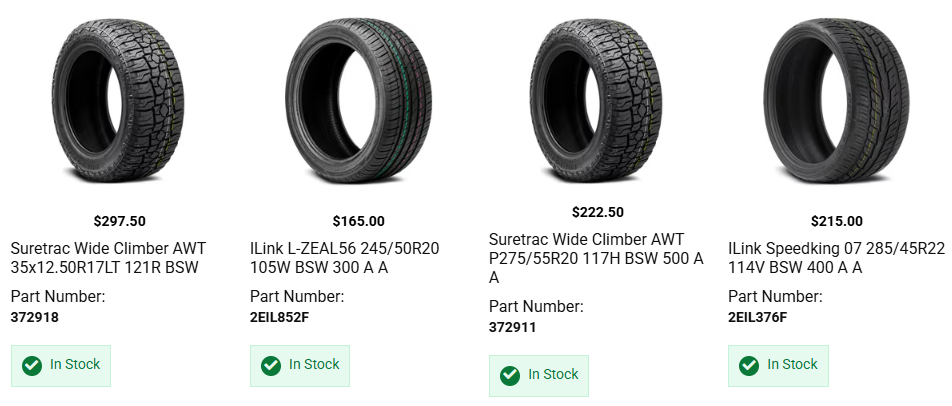
Product range comparison
At Canada Custom Autoworks, the right setup depends on the customer’s truck, driving habits, and comfort expectations. Some builds only need a clean levelling kit and properly selected 33 tires, while others require a full suspension system to run 35 tires correctly. The comparison below shows how different upgrade paths affect ride quality, fitment, and overall performance.| Upgrade option | Recommended tire size | Required modifications | Ride quality | Best for |
| Levelling kit package | 33 | Front levelling kit, proper wheel offset, alignment | Closest to the factory | Daily drivers want a better stance |
| Mild suspension upgrade | 33 | Levelling kit or mild lift, upgraded shocks, alignment | Comfortable and controlled | Daily driving with occasional trails |
| 4” lift package | 33 or 35 | Suspension lift, correct wheels, alignment, and possible trimming | Slightly firmer but stable | Balanced street and off-road use |
| 6” lift package | 35 | Full suspension lift, upgraded shocks, proper wheel/tire package | Comfortable when properly matched | Aggressive stance and more clearance |
| Performance suspension package | 35 | Lift system, premium shocks or coilovers, fitment tuning | Best ride control | Owners who want comfort and capability |
| Off-road-focused package | 35 | Lift, all-terrain or hybrid tires, suspension upgrades, clearance adjustments | Firmer but capable | Trail use and rugged appearance |
Which setup gives the best balance?
For most F-150 owners, the best balance is either 33 tires with a quality levelling kit or 35 tires with a complete suspension lift and upgraded shocks. A 33 setup is easier to live with. It is more affordable, more fuel-efficient, and closer to factory ride quality. A 35 setup delivers the bolder look and added clearance many truck owners want, but it needs better planning. When done correctly, it can still ride well. When done cheaply, it often feels rough, heavy, and compromised.What mistakes should you avoid?
The biggest mistake is choosing tire size based only on appearance. A truck that looks good but rubs, rides poorly, or feels unstable is not a successful build. Another mistake is using wheels with the wrong offset. This can create rubbing and steering issues even if the tire size seems reasonable. A third mistake is ignoring suspension quality. Clearance alone does not equal comfort. The suspension must control the added tire weight properly. Finally, avoid choosing tires that are too aggressive for your actual driving. A mud-terrain tire may look impressive, but if the truck spends most of its time on pavement, an all-terrain tire is usually a better choice.