Why Wheels Matter in Off-Roading
Off-road adventures put your vehicle under extreme stress. The wheels must endure uneven terrain, obstacles like rocks and mud, and challenging conditions such as steep inclines or sandy dunes. High-quality off-road wheels enhance durability, traction, and performance, ensuring you can navigate rugged landscapes without compromising safety. When selecting wheels, understanding their role in distributing weight, maintaining traction, and protecting your tires is essential. The right wheels can make the difference between a smooth ride and getting stranded miles from civilization.Types of Wheels for Off-Roading
Off-road wheels come in various materials and designs, each tailored to specific conditions and vehicle needs. Here’s an overview:| Wheel Type | Material | Best For | Advantages | Disadvantages |
| Steel Wheels | Steel | Heavy-duty off-road conditions | Durable, cost-effective, easy to repair | Heavier, less aesthetic appeal |
| Alloy Wheels | Aluminum or Magnesium | Moderate off-road use with aesthetic needs | Lightweight, stylish, and better heat dissipation | Less durable than steel, costlier |
| Beadlock Wheels | Various (Steel/Alloy) | Extreme off-road conditions (rock crawling) | Prevents the tire bead from slipping, superior grip | Expensive, may be illegal on highways |
| Forged Wheels | Forged Aluminum | High-performance off-road applications | Extremely strong, lightweight | High cost |
Factors to Consider When Choosing Off-Road Wheels
 1. Material and Weight
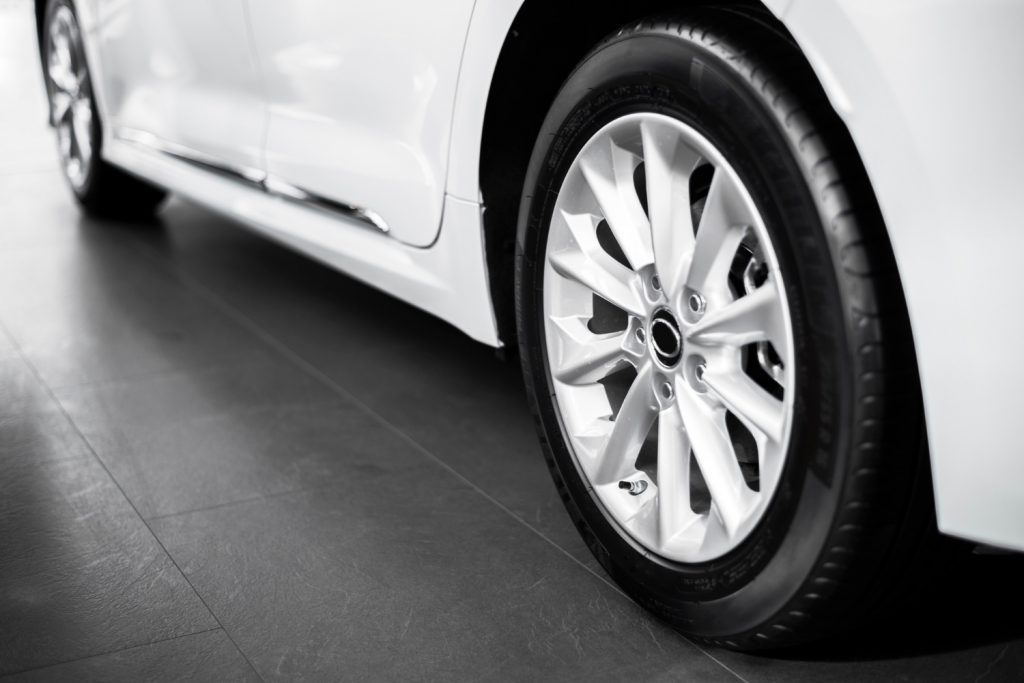
Steel wheels are ideal for heavy-duty off-road use due to their durability. However, they add weight to your vehicle, which can affect fuel efficiency and handling. Alloy wheels are lighter and more visually appealing, but they may not withstand extreme conditions as well as steel.
2. Wheel Size
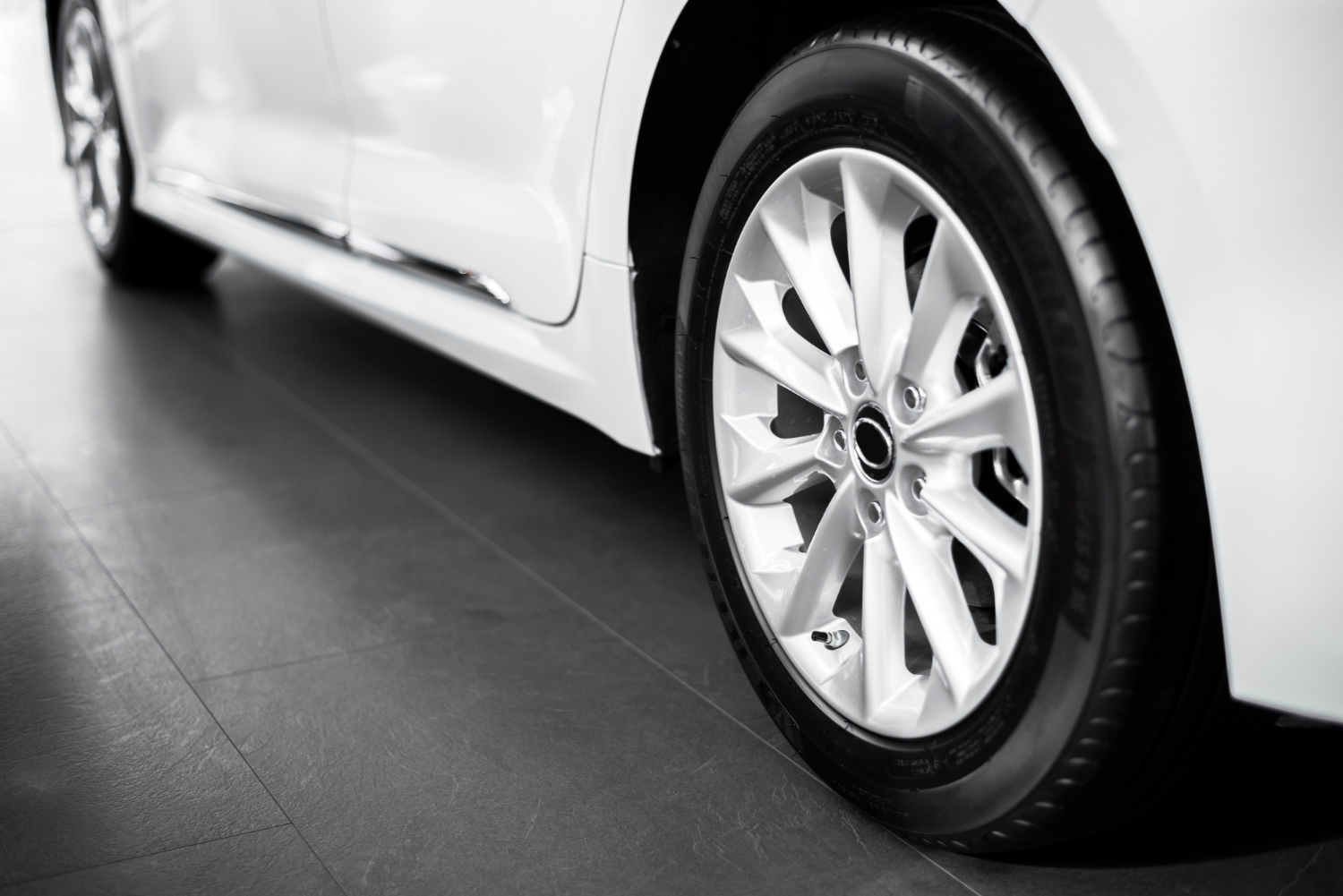
The size of the wheel influences ground clearance and tire compatibility. Larger wheels can accommodate bigger tires, which provide better grip and cushioning on uneven terrain. However, ensure the size fits your vehicle’s specifications to avoid rubbing against the suspension or body.3. Terrain Compatibility
Different terrains require specific wheel features. Beadlock wheels are excellent for rock crawling, ensuring the tire remains secure under low-pressure conditions. For sandy dunes, lightweight alloy wheels paired with wide tires prevent sinking.4. Offset and Backspacing
Wheel offset and backspacing determine how far the wheel sits in or out of the wheel well. A negative offset is typically preferred for off-roading as it provides a wider stance, improving stability and preventing obstacles from damaging the wheel. 5. Aesthetic Preferences
While functionality is paramount, aesthetics matter too. Many off-road enthusiasts prefer stylish alloy or forged wheels that combine performance with visual appeal.
Tips from the Experts at Canada Custom Autoworks
- Know Your Vehicle’s Limits: Consult your vehicle’s manual to determine the maximum wheel size and weight it can handle.
- Balance Performance and Style: Choose wheels that meet your off-road needs without compromising on design.
- Invest in Quality: Off-road adventures demand durable wheels. Visit Canada Custom Autoworks for high-quality options that withstand rugged conditions.
- Consider Tire Compatibility: Ensure your chosen wheels are compatible with off-road tires to maximize traction and performance.
- Inspect Regularly: Check your wheels for cracks or damage after every off-road trip to maintain safety and reliability.
When to Use Each Type of Wheel
- Steel Wheels: Best for vehicles frequently used in extreme off-road conditions, such as rock crawling or deep mud.
- Alloy Wheels: Ideal for off-roaders who split time between rugged terrain and urban roads, offering a balance of performance and style.
- Beadlock Wheels: Essential for extreme off-road enthusiasts tackling challenging terrains with steep inclines or loose surfaces.
- Forged Wheels: Perfect for high-performance off-road adventures where strength and weight savings are critical.