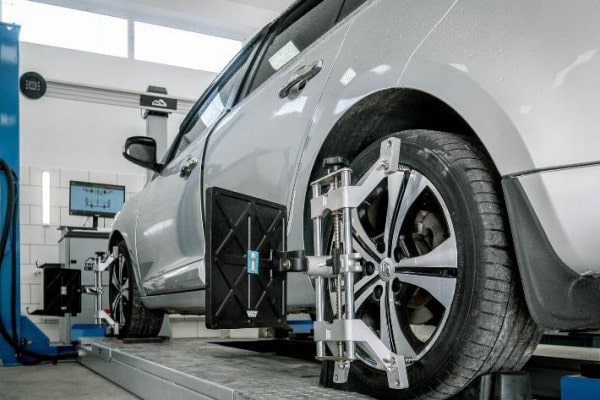
Why Wheel Alignment and Balance Matter
Maintaining proper wheel alignment and balance directly affects your driving experience and vehicle health. Here’s why they’re important:- Improved Safety: Misaligned or unbalanced wheels can compromise your ability to steer, especially in emergency situations. This puts you and other road users at risk.
- Enhanced tire Longevity: Proper alignment ensures even tire wear, while balanced wheels prevent unnecessary vibrations that could cause premature wear.
- Better Fuel Efficiency: Misaligned wheels create rolling resistance, making the engine work harder and consuming more fuel.
- Driving Comfort: Balanced wheels eliminate vibrations, especially at higher speeds, improving your overall driving experience.
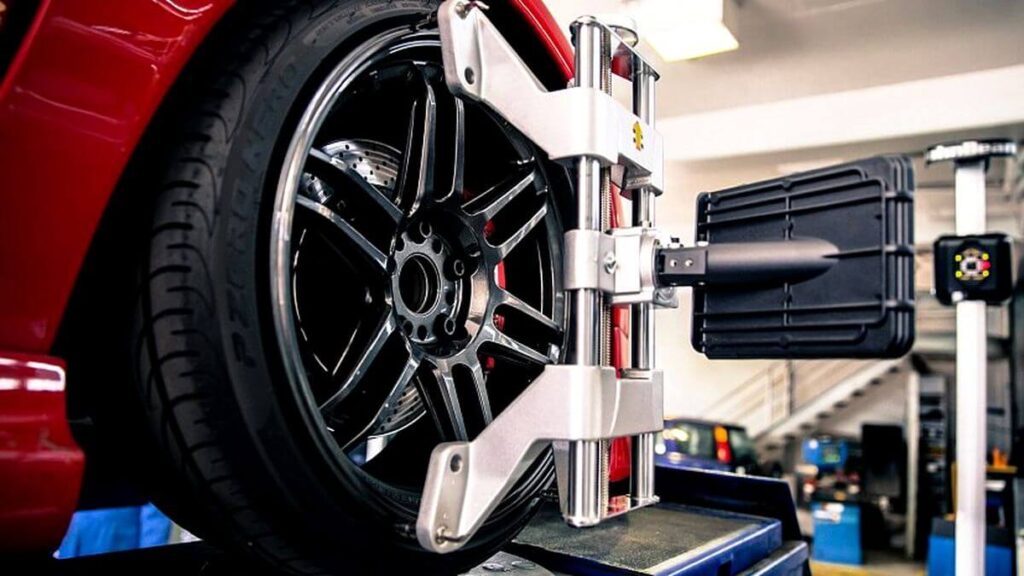
How Often Should You Check Alignment and Balance?
Routine checks for wheel alignment and balance can save you money and prevent serious issues down the road.- Wheel Alignment: Get your alignment checked at least once a year or every 20,000 kilometres. Additional checks are recommended after significant impacts or if you notice your vehicle pulling to one side.
- Wheel Balancing: tires should be balanced every 10,000 to 12,000 kilometres or whenever you rotate your tires. Balancing is also necessary when new tires are installed.
- Seasonal Maintenance: Changes in temperature can affect tire pressure and alignment. It’s advisable to inspect alignment and balance when transitioning between winter and summer tires.
Signs You Need Alignment or Balancing Services
Neglecting alignment and balance issues can lead to significant safety hazards and costly repairs. Watch for these warning signs:- Uneven tire Wear: This is one of the most common indicators of misalignment. Check your tires regularly for abnormal patterns.
- Vibrations in the Steering Wheel: Persistent vibrations, especially at high speeds, often point to unbalanced wheels.
- Pulling to One Side: If your car drifts to one side even on a flat road, your alignment likely needs adjustment.
- Crooked Steering Wheel: If your steering wheel isn’t centred when driving straight, it’s a clear signal to check the alignment.
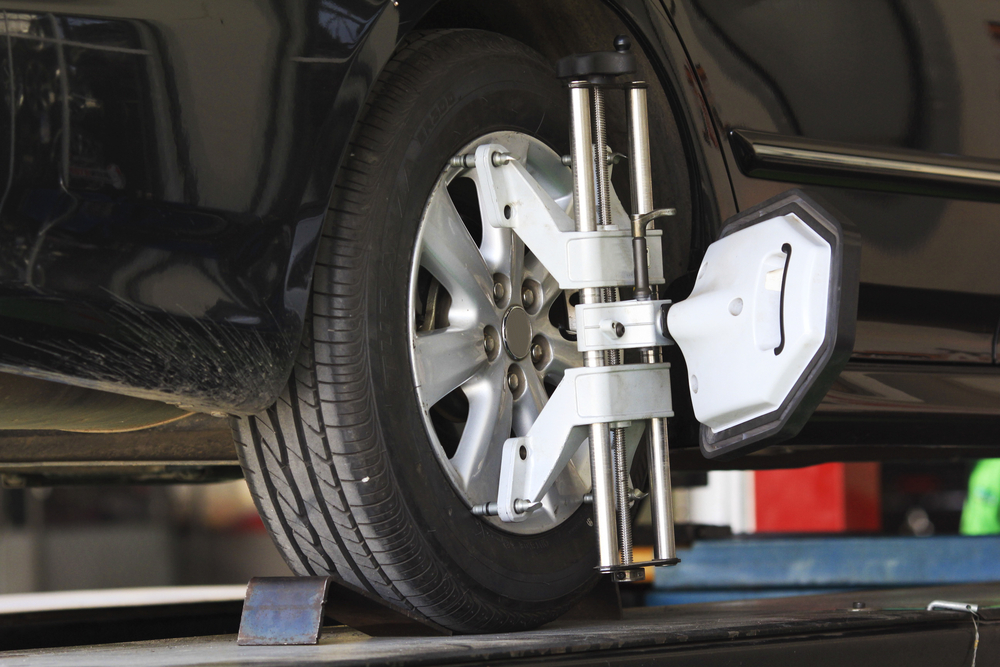
Comparing Alignment and Balance
| Aspect | Wheel Alignment | Wheel Balance |
| Definition | Adjusting wheel angles for even contact | Correcting weight distribution in wheels |
| Purpose | Ensures even tire wear and proper handling | Reduces vibrations and improves comfort |
| When to Check | Annually or after hitting potholes/curbs | With tire rotations or when vibration occurs |
| Signs of Issues | Pulling, uneven tire wear | Steering vibration, bumpy rides |
Consequences of Ignoring Wheel Alignment and Balance
Failing to address alignment and balance issues can result in severe consequences:- Decreased Safety: Misaligned wheels can cause handling issues, reducing your ability to steer safely.
- Shortened tire Lifespan: Unaddressed alignment problems lead to uneven tire wear, forcing premature replacements.
- Increased Fuel Consumption: Improper alignment increases rolling resistance, leading to higher fuel costs.
- Costly Repairs: Vibrations caused by unbalanced wheels can damage suspension components and bearings over time.