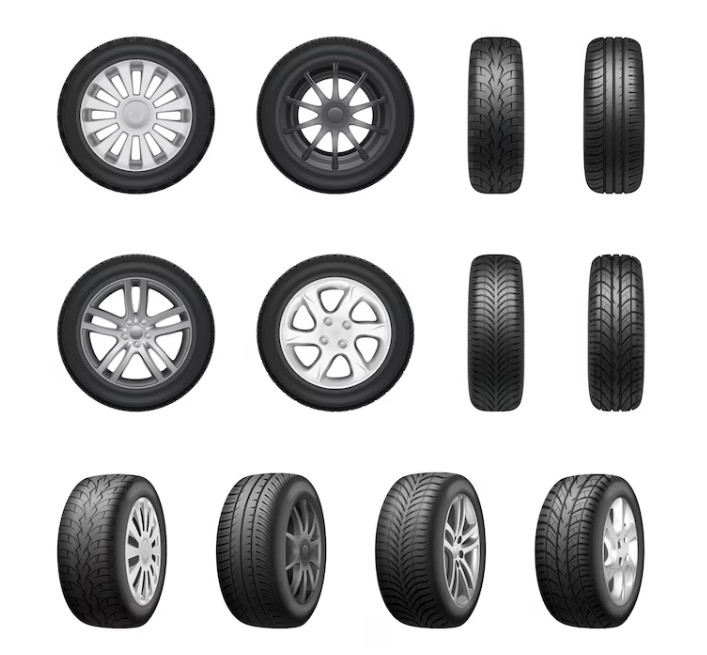
Understanding Tire Basics
Before diving into the selection process, it’s important to understand the key components of a tire and how they affect your driving experience.- Tire Size: The size of a tire is indicated on its sidewall with numbers and letters (e.g., 225/55R17). This code represents the tire’s width, aspect ratio, construction type, and rim diameter. Ensuring you match your car’s recommended size is crucial for safety and performance.
- Tread Patterns: Different tread designs serve unique purposes. Symmetric treads offer a quiet, smooth ride, while directional treads are ideal for wet conditions, providing better traction. Asymmetric patterns combine the best of both worlds for versatile performance.
- Load Index and Speed Rating: These indicators tell you the maximum weight a tire can handle and the top speed it’s designed for. Using tires outside these specifications can compromise safety.

Seasonal Tire Options and Their Differences
Canada’s varied climate means that choosing the right seasonal tires is essential for optimal performance and safety. Here’s a breakdown of the primary types:- All-Season tires: Designed to provide balanced performance in a variety of conditions, all-season tires are suitable for moderate climates. However, they may not perform well in extreme heat or freezing temperatures.
- Winter tires: Specifically engineered for snow, ice, and cold weather, winter tires feature softer rubber compounds and deeper treads. These attributes provide superior grip and control in temperatures below 7°C.
- Summer tires: Ideal for warm weather, summer tires offer excellent handling on dry and wet roads. Their stiffer rubber and streamlined tread patterns provide maximum performance but lose effectiveness in cold conditions.
Choosing Tires Based on Your Vehicle and Driving Conditions
Your vehicle type and driving habits greatly influence the kind of tires you need. Here’s what to consider:- Passenger Cars: For sedans and hatchbacks, look for tires that provide a balance of comfort, durability, and fuel efficiency. All-season tires are typically a good choice unless you face extreme weather.
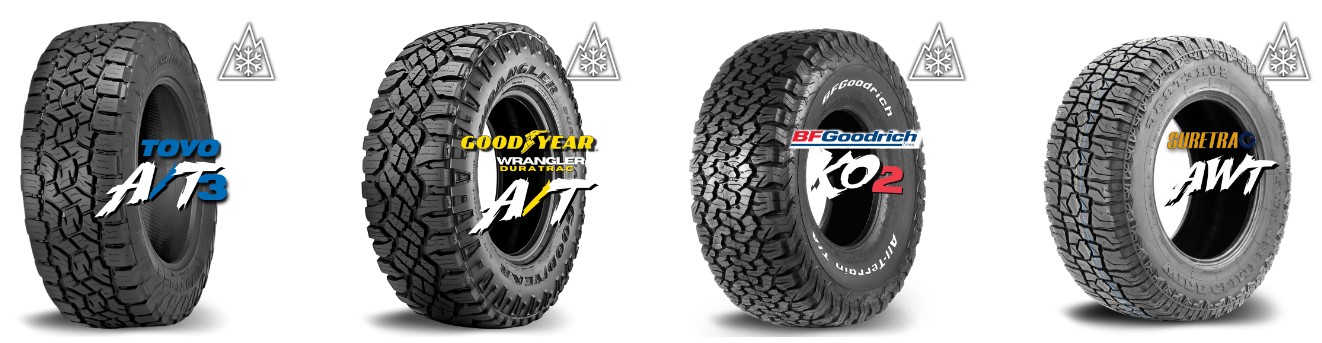
- SUVs and Trucks: Larger vehicles often require all-terrain or highway tires. If you frequently drive off-road, opt for all-terrain tires with robust sidewalls and deep treads for added durability.
- Sports Cars: High-performance vehicles demand tires with excellent grip and responsiveness. Performance or summer tires are designed to handle the power and speed of these cars.
- Driving Conditions: If you frequently drive on gravel roads or highways, consider the tread design and durability. Urban drivers might prioritise low road noise and comfort.
Comparing Tire Types
| Tire Type | Best For | Pros | Cons |
| All-Season tires | General-purpose driving | Versatile, cost-effective | Limited in extreme conditions |
| Winter tires | Snowy and icy conditions | Superior grip in cold weather | Quick wear in warm weather |
| Summer tires | Warm climates | Exceptional handling and traction | Poor performance in cold weather |
| All-Terrain tires | Off-road and mixed surfaces | Durable, great for rough terrain | Increased road noise on highways |
| Performance tires | Sports cars and high-speed driving | Enhanced grip and precision | Higher cost, shorter lifespan |