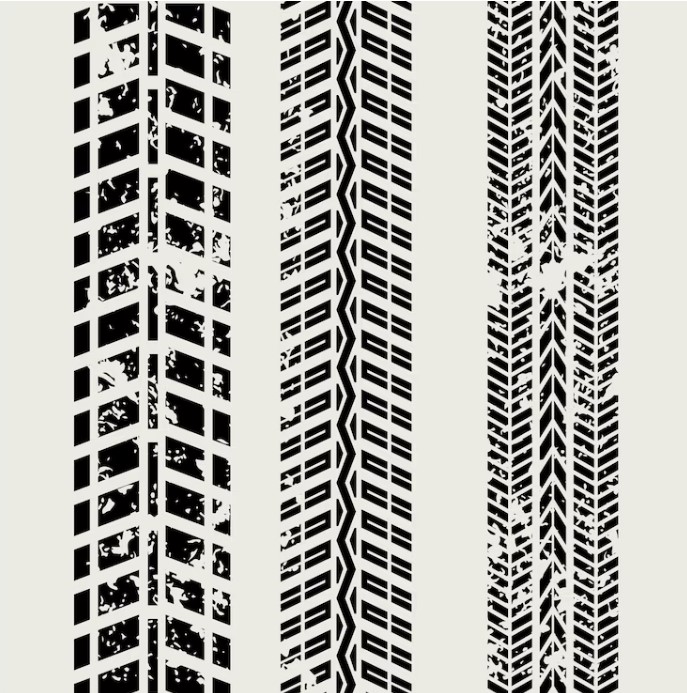
Understanding Tire Tread Patterns
The design of a Tire’s tread pattern plays a crucial role in determining how a vehicle interacts with the road. Tread patterns are designed to optimise grip, water evacuation, and overall handling.- Symmetric Tread Patterns: These feature a consistent design across the Tire surface, providing balanced performance and long-lasting durability. They are ideal for passenger cars and deliver a quiet, smooth ride.
- Asymmetric Tread Patterns: These have different designs on the inner and outer sides of the Tire. The outer side is built for cornering stability, while the inner side optimises water drainage. They are excellent for high-performance vehicles.
- Directional Tread Patterns: Recognisable by their V-shaped grooves, these patterns are designed to channel water away efficiently, reducing the risk of hydroplaning. They are perfect for wet conditions and high-speed driving.
Seasonal Tire Options and Their Tread Patterns
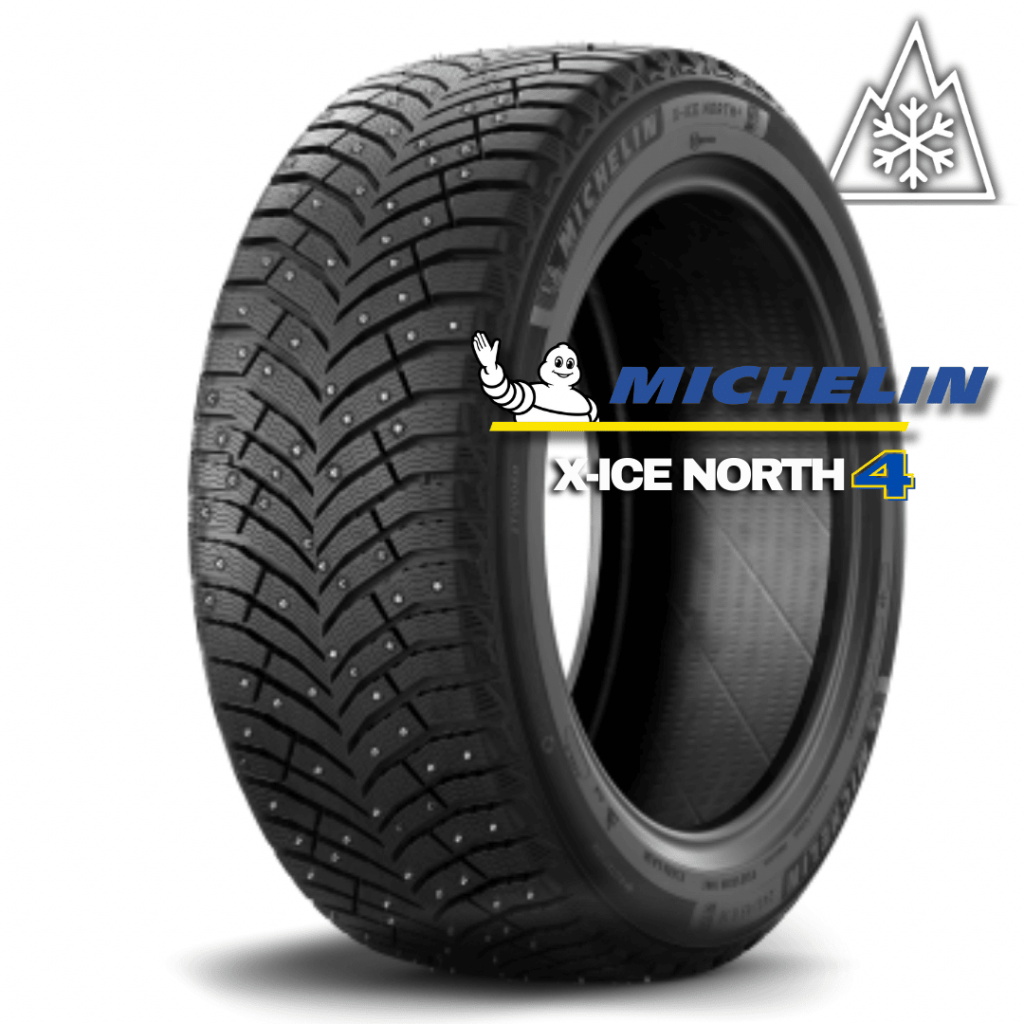
Canada’s diverse climate makes choosing the right seasonal Tires vital for safety and efficiency. Each season demands a specific tread pattern to handle its unique challenges.- Winter Tires: Winter Tires have deeper treads with wide grooves to grip snow and ice effectively. They also feature sipes, small slits in the tread, that improve traction in slippery conditions. Winter Tires are essential when temperatures drop below 7°C.
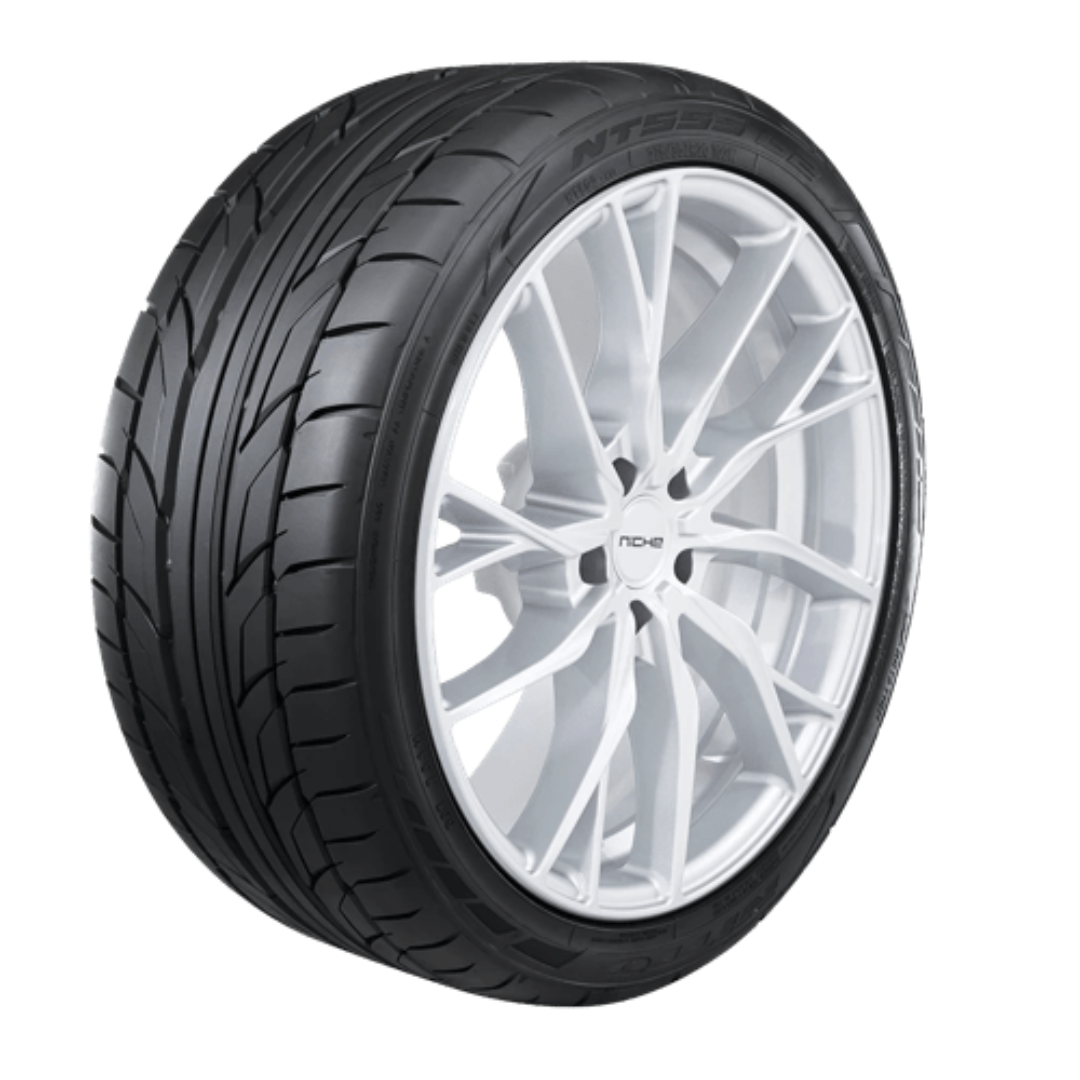
- Summer Tires: With minimal grooves and a stiffer rubber compound, summer Tires are designed for maximum contact with dry roads. Their tread patterns offer superior handling and braking performance in warm weather but are unsuitable for cold conditions.

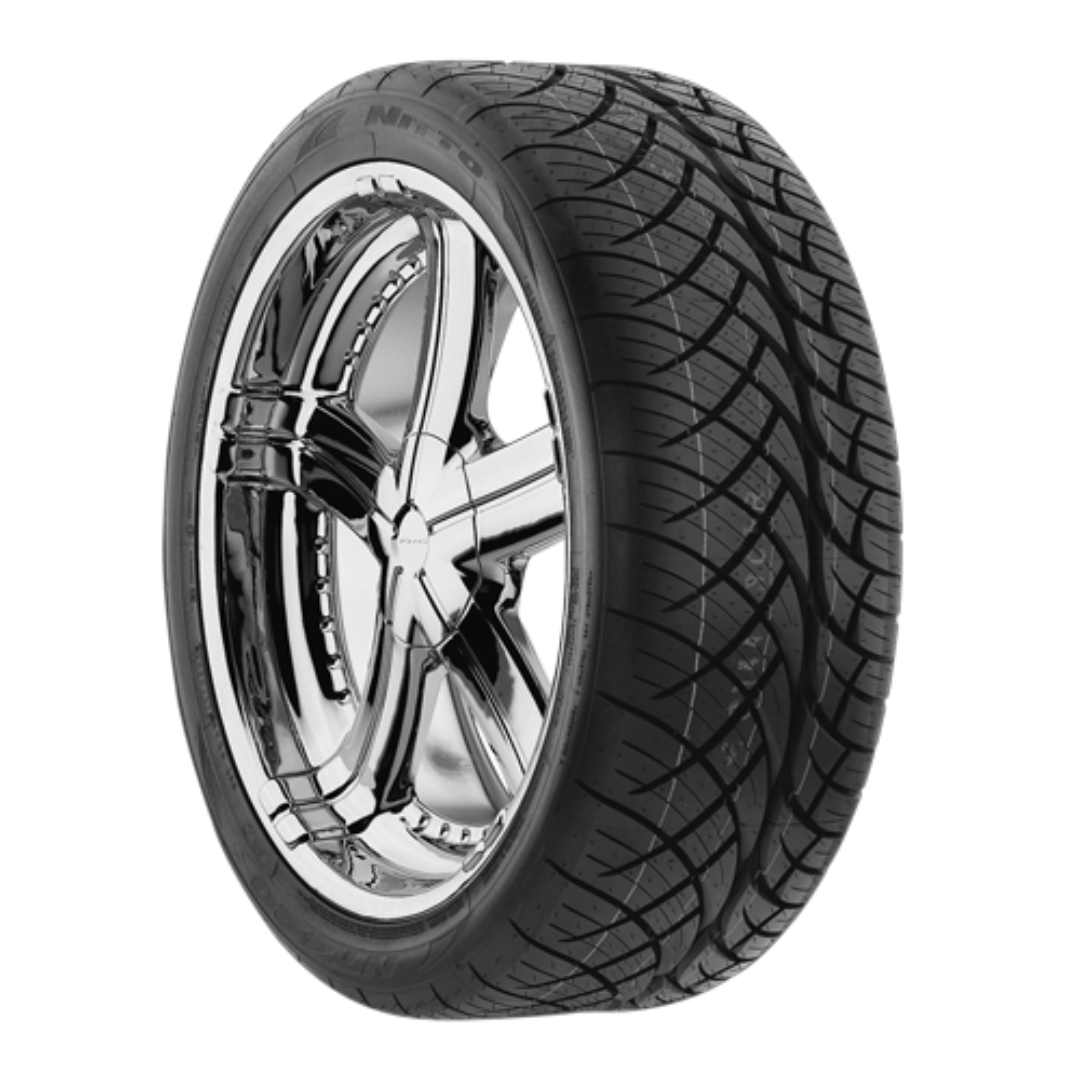
- All-Season Tires: These Tires combine features of summer and winter Tires, offering moderate performance in various conditions. Their tread patterns provide adequate water drainage and grip but may not excel in extreme weather.
 Expert Tip: In regions with harsh winters, consider using dedicated winter and summer Tires to ensure year-round safety and performance.
Choosing Tires Based on Your Vehicle and Driving Conditions
Your vehicle type and driving habits should guide your Tire selection. Each vehicle and road condition demands a specific type of Tire tread pattern.- Passenger Cars: For sedans and hatchbacks, symmetric or asymmetric tread patterns are ideal for balanced performance and fuel efficiency. All-season Tires are often a practical choice for urban and suburban driving.
- SUVs and Trucks: Larger vehicles require Tires with deeper treads and more robust construction. All-terrain Tires with aggressive tread patterns are best for off-road conditions, while highway Tires are suitable for paved roads.
- Sports Cars: High-performance vehicles benefit from directional or asymmetric tread patterns that provide excellent grip and handling. These Tires enhance stability at high speeds and during sharp cornering.
Comparing Tire Tread Patterns
| Tread Pattern | Best For | Pros | Cons |
| Symmetric | Daily commuting, passenger cars | Quiet, long-lasting, cost-effective | Limited high-performance handling |
| Asymmetric | High-performance vehicles | Excellent grip, versatile | Higher cost |
| Directional | Wet and snowy conditions | Superior water evacuation | Can only be rotated front-to-back |
| All-Terrain | Off-road and mixed surfaces | Durable, great for rugged terrain | Noisy on highways |