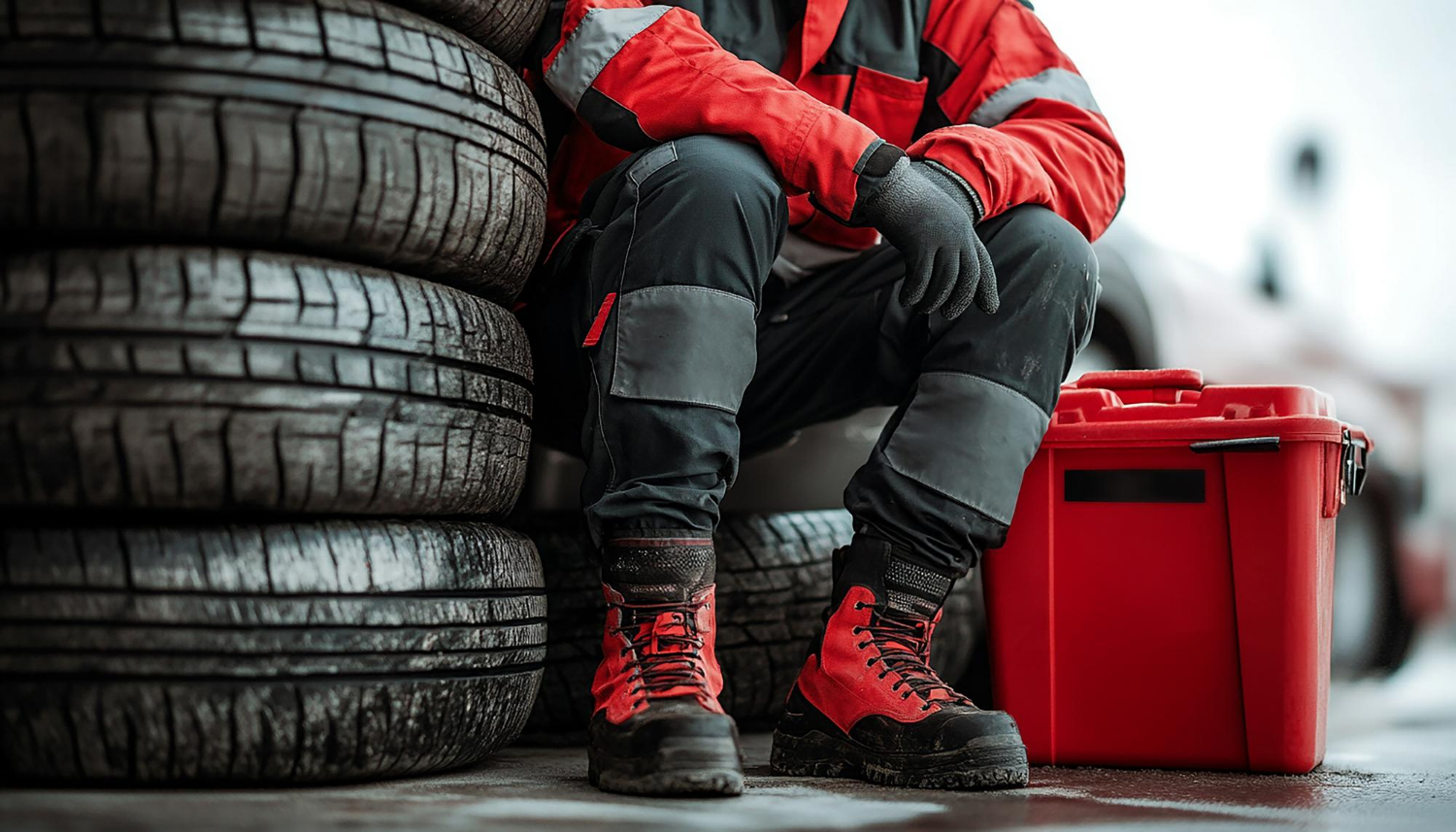
Why Proper Tire Storage Matters
Winter tires are specially designed with softer rubber compounds and deeper treads to provide optimal grip in icy and snowy conditions. However, the same rubber compounds that make them effective in cold weather can degrade faster when exposed to heat, sunlight, moisture, and ozone in the off-season. If improperly stored, tires can lose their elasticity, dry out, or even develop cracks, making them unsafe for future use.
Clean Your Tires Thoroughly
Before storing your winter tires, make sure to clean them properly. Dirt, road salt, and brake dust can cling to your tires and cause damage if left on for months. Use a mild detergent and water to wash away debris and contaminants. Pay special attention to removing all traces of road salt, which can cause the rubber to degrade. Dry the tires completely before moving on to storage.Remove Tires from Rims (If Possible)
While storing tires on rims is possible, it’s often better to store them off the rims. Storing tires off the rims allows them to maintain their original shape better and reduces the risk of deforming under the weight of the vehicle. If you decide to leave your tires on the rims, be sure to periodically check and adjust the air pressure to prevent unnecessary stress on the rubber.Select the Right Storage Environment
To preserve the life of your winter tires, choose a cool, dry, and dark storage area. Tires are highly susceptible to damage from sunlight, moisture, and heat. Exposure to UV rays from the sun can cause the rubber to dry out and crack, while moisture can lead to mold growth or rusting of steel belts inside the tire. The ideal storage conditions include:- Temperature: A stable, cool temperature (preferably below 15°C or 60°F) will prevent the rubber from softening or cracking.
- Humidity: Low humidity is best to avoid moisture buildup. Avoid storing tires in damp basements or garages.
- Sunlight: Store tires in a location where they won’t be exposed to direct sunlight, as UV rays accelerate tire aging.
Use Tire Covers or Bags
Covering your tires with tire storage bags or black plastic wrap will protect them from dirt, dust, and moisture. You can purchase tire-specific storage bags, or simply use heavy-duty plastic bags that can be tightly sealed. Ensure all the air is removed from the bags to limit oxygen exposure, which can cause the rubber to break down over time.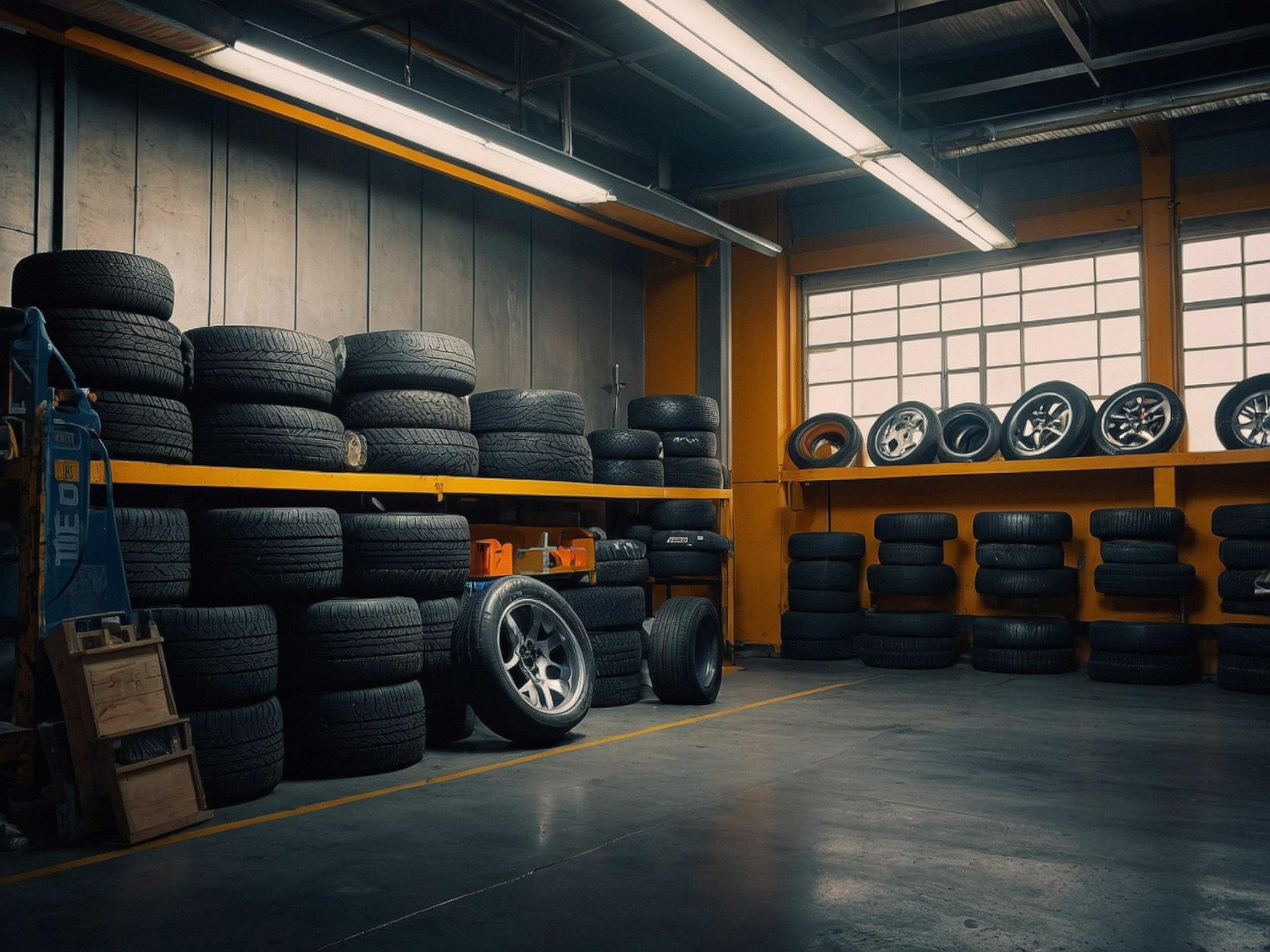
Stacking vs. Standing
How you store your tires—whether stacked, standing, or hung—can also affect their lifespan. The storage method depends on whether your tires are mounted on rims or not:- Without Rims: Stand the tires upright (side by side) to prevent pressure from deforming the tread. You can rotate them occasionally to minimize uneven wear.
- With Rims: Stack the tires horizontally (one on top of the other), or hang them on hooks. This prevents the weight of the rims from causing deformation.
Regularly Inspect Your Tires
While your tires are in storage, it’s a good idea to inspect them periodically. Check for cracks, bulges, or other signs of wear. Make sure that the tires aren’t exposed to elements that could speed up degradation, such as heat or moisture.Types of Winter Tires and Their Storage Needs
Winter tires come in different types, and understanding their unique characteristics can help you store them appropriately:| Type of Winter Tire | Features | Storage Considerations |
| Studded Winter Tires | Metal studs for extra traction on icy roads | Store in a dry, non-abrasive environment to prevent rust on the studs. |
| Non-Studded Winter Tires | Deeper treads for snowy conditions | Avoid excessive weight or stacking, which can deform the tread. |
| Performance Winter Tires | Softer rubber compounds for cold, dry roads | Store away from heat to prevent softening of the rubber. |
| All-Terrain Winter Tires | Designed for both on- and off-road conditions | Keep in a temperature-controlled environment to prevent damage to rugged treads. |
When to Replace Your Winter Tires
In addition to proper storage, knowing when to replace your winter tires is essential. Generally, winter tires should be replaced if:- The tread depth is less than 6/32 of an inch.
- The rubber shows signs of aging, such as cracks or excessive hardness.
- The tires are older than six years, as the rubber degrades over time, even with proper storage.