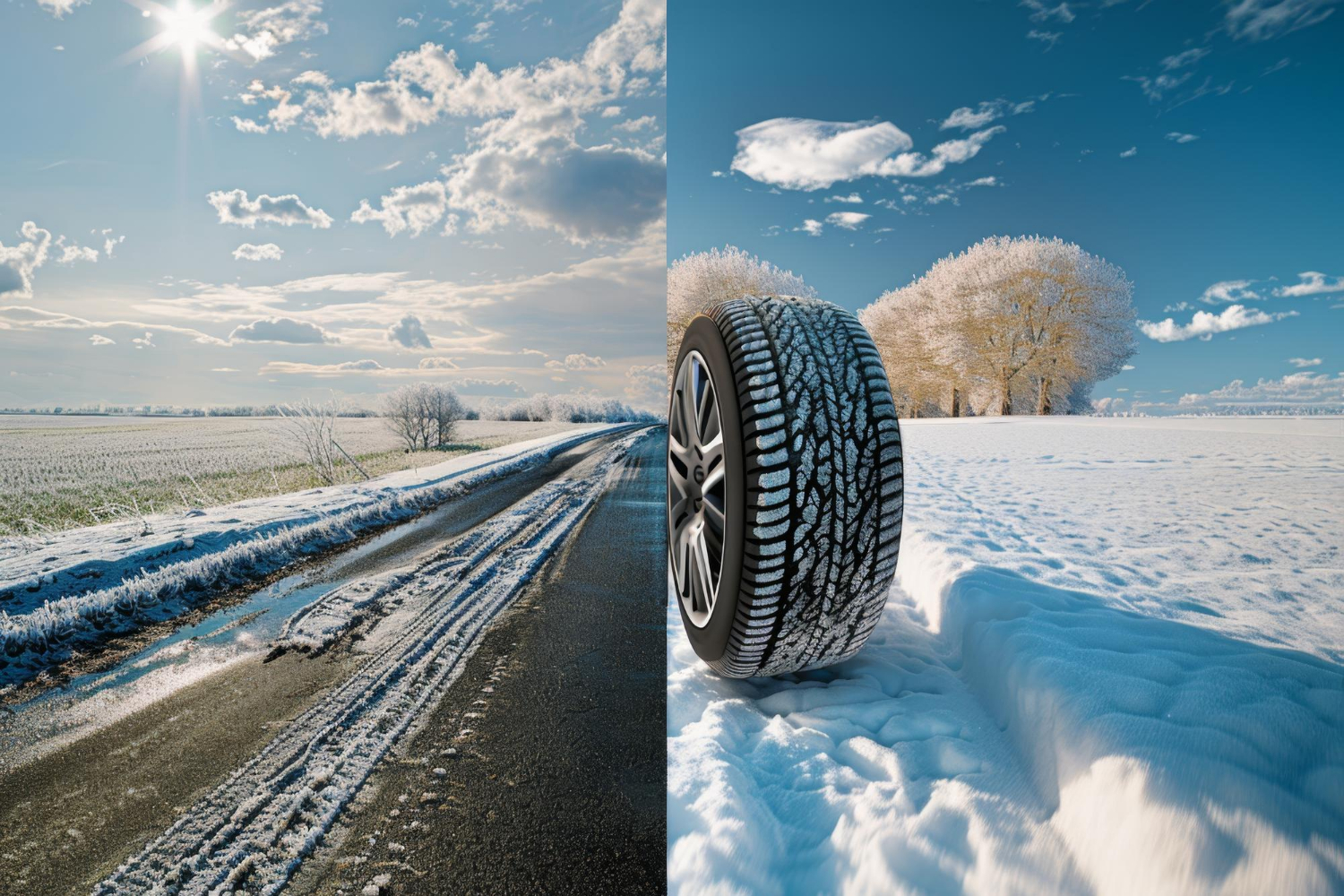
Check Tire Tread Depth
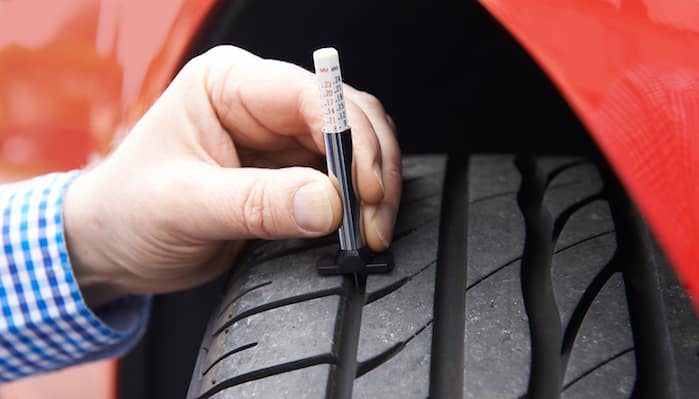
One of the most critical aspects to inspect during a seasonal tire change is the tread depth. Tires with insufficient tread can’t grip the road properly, which increases the risk of slipping, especially in wet or icy conditions. Here’s how you can evaluate tread depth:- Winter Tires: Should have a tread depth of at least 6/32 inches. Anything less may compromise traction on snow or ice.
- Summer Tires: Can work effectively with 3/32 inches or more, but if tread depth gets too low, their grip in rainy conditions can be reduced.
Inspect for Wear and Tear
Tires naturally wear out over time, but uneven wear can indicate bigger issues. When changing your tires, look for:- Bald spots or worn-down patches: These are a sign that the tire is wearing unevenly and may not perform well.
- Cracks or bulges: These could mean the tire’s structural integrity is compromised, possibly due to age or impact.
- Exposed steel belts: If you see any metal threads, the tire is beyond repair and needs replacing immediately.
Air Pressure and Inflation
Tires expand and contract with temperature changes, so it’s important to check tire pressure when you switch between summer and winter tires. Under-inflated tires can increase fuel consumption and reduce tire lifespan, while over-inflated tires can cause uneven wear and affect handling. Always check your vehicle’s recommended tire pressure, which is typically listed on the driver’s side door jamb or in the owner’s manual.- Winter Tires: As temperatures drop, tire pressure decreases, so they may need more frequent checking and inflation.
- Summer Tires: Higher temperatures can increase tire pressure, so it’s essential to adjust accordingly to avoid over-inflation.
Alignment and Balancing
Before switching to a new set of tires, it’s a good idea to check your vehicle’s wheel alignment and tire balance. Poor alignment can cause uneven tire wear and may make your vehicle pull to one side. Tire balancing ensures that weight is evenly distributed around the wheel, which reduces vibration and improves handling.- Winter Tires: These are more sensitive to alignment issues due to the extra grip required in snowy conditions.
- Summer Tires: Alignment is equally crucial, especially at high speeds, where even slight imbalances can cause noticeable vibrations.
Check for Damage to Rims
If your tires are mounted on rims, inspect the rims for signs of damage, such as bends, cracks, or corrosion. Damaged rims can impact the way your tire fits and lead to air leaks or compromised handling.- Alloy Rims: More prone to cosmetic damage but lightweight and better for performance.
- Steel Rims: Heavier and more durable, making them a good choice for winter driving.

Select the Right Type of Tire
Choosing the right tire type for the season is crucial to your vehicle’s performance and safety. Here’s a breakdown of the different types and when they are most effective:| Tire Type | Key Features | Best Conditions |
| Winter Tires | Softer rubber compounds and deeper treads for traction in snow and ice. | Temperatures below 7°C (45°F), snowy, icy, or slushy roads. |
| Studded Winter Tires | Metal studs embedded in the tire for extra grip on ice. | Extreme icy conditions; generally not allowed on dry roads as they can damage the surface. |
| All-Season Tires | Balanced performance for moderate weather conditions. | Suitable for mild climates where temperatures don’t fall below freezing frequently. |
| Summer Tires | Harder rubber compounds designed for optimal traction on dry and wet roads in warm weather. | Warm, dry, or rainy conditions; temperatures above 7°C (45°F). |
| All-Terrain Tires | Designed for both on-road and off-road conditions, offering a more rugged tread. | Ideal for vehicles that go off-road or drive on dirt, gravel, or rugged surfaces, regardless of season. |
Rotation and Storage
Rotating your tires when switching them can ensure even wear across all four tires, extending their lifespan. If you are storing your off-season tires, remember to:- Clean them thoroughly.
- Store them in a cool, dry place, away from direct sunlight.
- Stand them upright if they are unmounted; stack them horizontally if mounted on rims.
Look at Tire Age
Tires have a shelf life, and even if they haven’t been used much, the rubber can degrade over time. Check the DOT code on the tire’s sidewall to determine its manufacturing date. Tires older than six years should be replaced, regardless of how much tread remains.Comparison Table: Winter Tires vs. Summer Tires
| Feature | Winter Tires | Summer Tires |
| Rubber Compound | Softer for better grip in cold weather | Harder to withstand high temperatures |
| Tread Pattern | Deeper grooves for snow and slush | Shallower for more surface contact |
| Optimal Temperature | Below 7°C (45°F) | Above 7°C (45°F) |
| Performance on Ice | Excellent (especially studded tires) | Poor |
| Performance in Rain | Good, but designed for cold weather | Excellent, disperses water effectively |