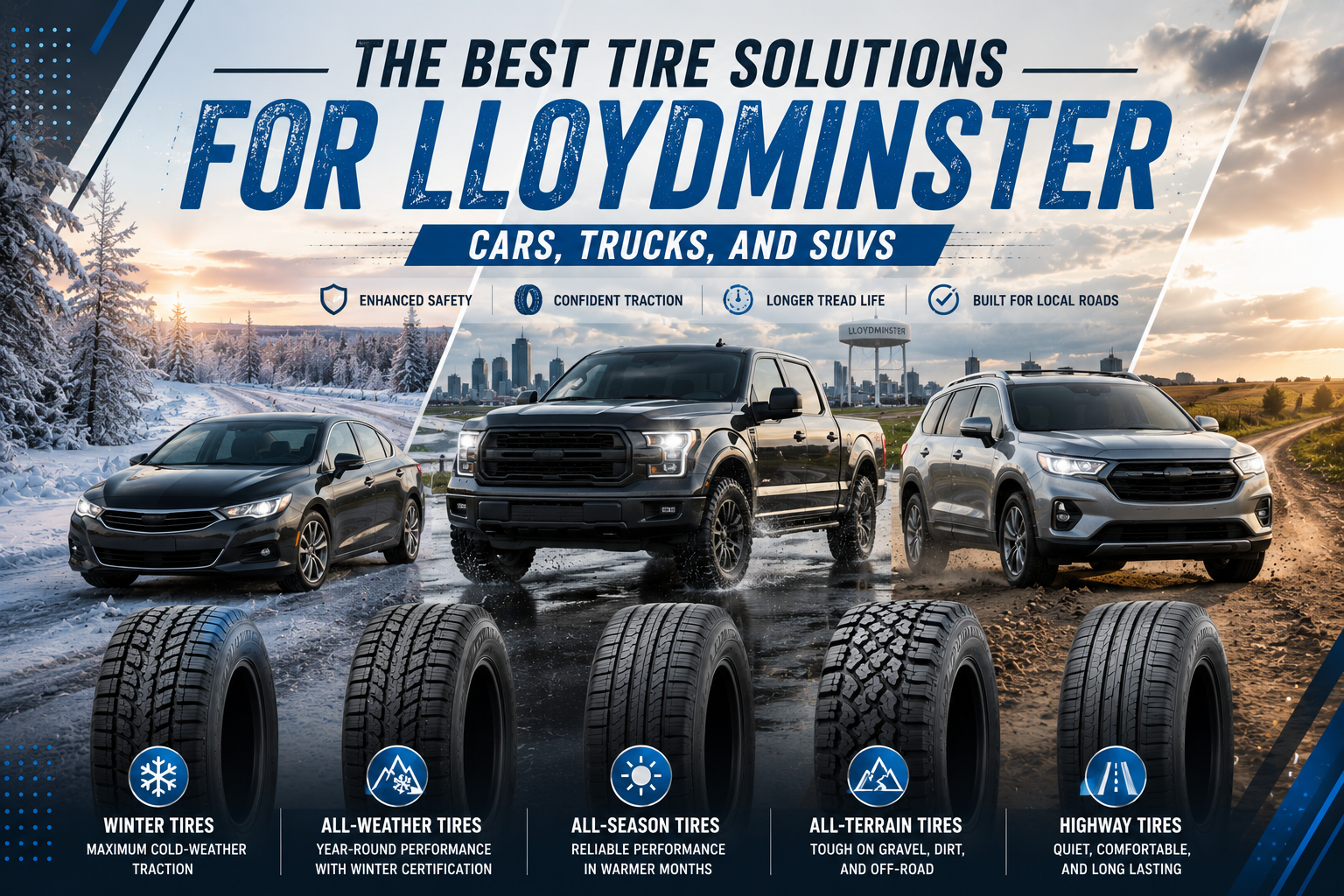
The Best Tire Solutions for Lloydminster Cars, Trucks, and SUVsĀ 

Blog Post
Key Points
  • The best tire solution for Lloydminster drivers depends on vehicle type, seasonal road conditions, and daily use – a compact car, work truck, and family SUV all need different tire priorities.
  • Winter tires are often the safest choice for Lloydminster’s cold months, while all-weather, all-season, and all-terrain tires can make sense depending on how often you drive highways, rural roads, or job sites.
  • Truck and SUV owners should pay close attention to load rating, tread strength, tire size, and durability, especially if the vehicle is used for towing, hauling, gravel roads, or work-related driving.
  • Comparing tires in Lloydminster should include more than price. Tread life, traction, road comfort, warranty coverage, fuel efficiency, and fitment support all affect long-term value.
  • Working with a Canadian tire retailer serving Lloydminster can help drivers choose the right tires for their car, truck, or SUV without guessing on size, performance category, or compatibility.
Choosing the right tires in Lloydminster is not a one-size-fits-all decision. Drivers in the area deal with a practical mix of prairie highways, cold winter mornings, rural roads, city commuting, and work-related driving. A tire that feels fine on dry pavement in summer may not deliver the grip you need during freezing temperatures, and a tire built for a small commuter car will not meet the same demands as one used on a pickup, SUV, or truck that regularly hauls weight. That is why the best tire solution starts with how the vehicle is actually used, not just what size is printed on the sidewall. For Lloydminster drivers, the choice often comes down to balancing safety, durability, comfort, and value. Cars usually benefit from tires that offer predictable braking, quiet road manners, and good fuel efficiency. SUVs need a stronger balance of comfort, load capacity, and year-round control. Trucks may require more aggressive tread designs, stronger sidewalls, or all-terrain capability, especially if they are used on gravel roads, job sites, farms, or for towing. Looking at those needs separately helps prevent a common mistake: buying a tire because it is on sale, then realizing later that it does not match the way the vehicle is driven. If you are comparing tire options in Lloydminster, the smartest approach is to look beyond the cheapest available set and focus on total value. The right tires should fit your vehicle properly, handle local weather conditions, support your driving habits, and last long enough to justify the investment. In this guide, we will break down the best tire solutions for Lloydminster cars, trucks, and SUVs, including which tire types make the most sense, what buyers should compare, and how to choose a set that delivers confidence through every season.

Why Lloydminster Driving Conditions Change the Way You Should Choose Tires

Lloydminster drivers deal with more than one type of road. One week your vehicle may be used for short city trips, and the next it may be on rural roads, highways, job sites, or winter routes where traction matters a lot more. That mix makes tire choice more important than simply picking a familiar brand or the lowest available price. Local drivers often need tires that can handle:
  • Cold winter temperatures and icy roads.
  • Long highway drives between nearby communities.
  • Gravel roads, farm roads, and work locations.
  • Spring slush and wet pavement.
  • Summer heat and dry prairie roads.
  • Extra load demands from trucks and SUVs.
Because of these conditions, the ā€œbestā€ tire in Lloydminster depends heavily on how the vehicle is used. A commuter car may need comfort, fuel efficiency, and dependable winter braking. A family SUV may need year-round stability and a stronger load rating. A pickup truck may need all-terrain durability, towing support, or better grip on gravel and snow. The smartest starting point is to match the tire to the driving environment first. Once you know whether your priority is winter safety, highway comfort, off-road durability, or everyday value, it becomes much easier to compare tire brands and prices without getting distracted by options that do not fit your needs. Expert Tip: If your vehicle spends regular time outside city streets, do not choose tires based only on dry-road performance. Rural roads, winter highways, and gravel routes can make tread design, sidewall strength, and cold-weather traction much more important.

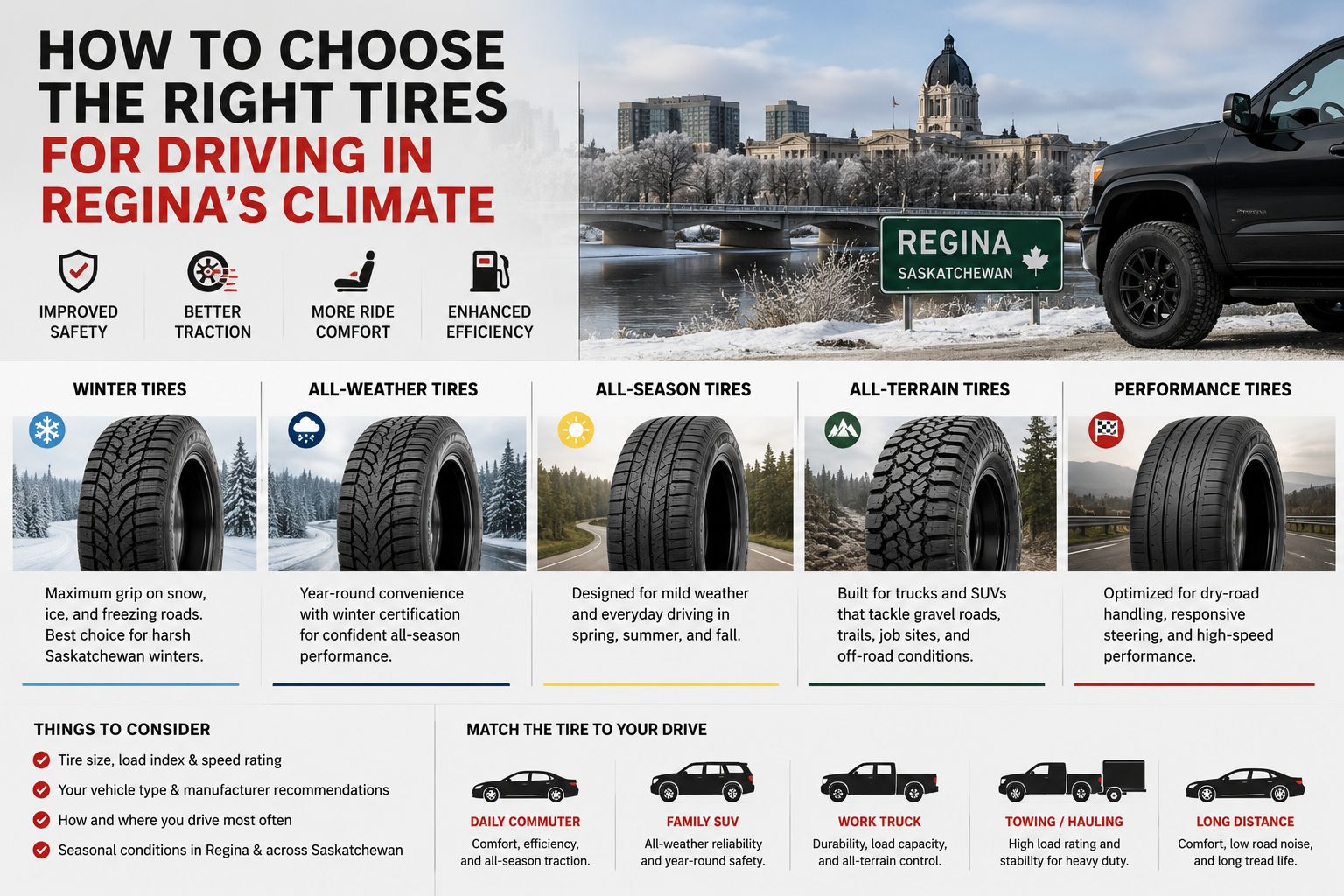
Comparison of winter, all-weather, all-season, all-terrain and highway tires for cars, SUVs and trucks in Lloydminster Best Tire Types for Lloydminster Cars, Trucks, and SUVs

Different vehicles need different tire solutions. A compact car, midsize SUV, and heavy-duty pickup may all drive the same roads, but they do not place the same demands on their tires. Weight, drivetrain, suspension setup, load capacity, and driving purpose all affect which tire category makes the most sense. For most Lloydminster drivers, the main tire options include:
  • Winter tires for maximum traction in cold, snow, and ice.
  • All-weather tires for year-round convenience with winter-rated performance.
  • All-season tires for spring, summer, and fall driving.
  • All-terrain tires for trucks and SUVs used on gravel, dirt, job sites, or light off-road routes.
  • Highway tires for pickups and SUVs that prioritize comfort, towing stability, and long tread life.
For cars, winter tires and all-season tires are often the most practical combination. Winter tires provide safer cold-weather grip, while all-season tires keep the vehicle comfortable and efficient during warmer months. Drivers who want to avoid seasonal changeovers may also consider all-weather tires, especially if most driving stays within city and highway routes. For SUVs, the decision usually depends on whether the vehicle is used mainly for family driving or more rugged travel. A crossover SUV may be best suited to touring, all-weather, or winter tires. A larger SUV that sees gravel roads, towing, or outdoor trips may benefit from stronger all-terrain or highway tires. For trucks, load rating and durability become especially important. If the truck is used for towing, hauling, job sites, farms, or rural roads, the tire needs to support more than daily commuting. In that case, all-terrain or highway truck tires may offer better long-term value than a basic passenger-style tire.

What Car Owners in Lloydminster Should Look for in New Tires

Car owners usually need tires that feel stable, quiet, and predictable in everyday driving. If you drive a sedan, hatchback, or compact commuter vehicle around Lloydminster, your priorities will likely be different from someone shopping for truck tires. Comfort, braking performance, fuel efficiency, winter control, and tread life should matter more than aggressive appearance or oversized fitment. For daily-driven cars, compare tires based on:
  • Braking performance on wet and cold roads.
  • Road noise during highway driving.
  • Fuel efficiency and rolling resistance.
  • Tread life warranty.
  • Ride comfort on rough pavement.
  • Winter performance if the car is driven year-round.
A good car tire should make the vehicle feel controlled without making the ride harsh or noisy. For many drivers, that means using dedicated winter tires during the colder months and all-season or touring tires during spring, summer, and fall. This setup often gives better overall performance than trying to force one tire to handle every condition. All-weather tires can also be a practical choice for cars if you prefer one set of tires throughout the year. Just remember that they are usually a compromise: better in winter than standard all-season tires, but not as strong as dedicated winter tires when conditions become severe.

What Truck and SUV Owners in Lloydminster Need to Compare

Truck and SUV tires need to do more than fit the wheel. These vehicles often carry more weight, tow trailers, travel on gravel roads, or handle work-related use. That makes tire strength, load rating, tread design, and durability especially important when comparing options. If you drive a truck or SUV in Lloydminster, pay close attention to:
  • Load rating and weight capacity.
  • Sidewall strength.
  • Tread pattern and road noise.
  • Highway stability.
  • Gravel and light off-road durability.
  • Towing and hauling requirements.
  • Clearance if the vehicle is lifted or running aftermarket wheels.
A truck used mainly for highway commuting may not need an aggressive all-terrain tire. In that case, a highway truck tire or mild all-terrain tire may provide better comfort, longer tread life, and lower road noise. On the other hand, a pickup used for job sites, farms, towing, rural roads, or weekend outdoor trips may benefit from a stronger all-terrain tire with added durability. SUV owners should also think carefully about how the vehicle is used. A family crossover may perform best with touring, all-weather, or winter tires, while a larger SUV used for towing or rural driving may need a more durable tire with stronger load capacity. Matching the tire to the vehicle’s real workload helps improve safety, comfort, and long-term value.

How to Choose Between Winter Tires and All-Weather Tires in Lloydminster

For many Lloydminster drivers, the biggest tire question is whether to run dedicated winter tires or choose all-weather tires for year-round use. Both options can make sense, but they are not the same. The better choice depends on how much winter driving you do, where you drive, and how much convenience matters to you. Dedicated winter tires are the strongest option for cold temperatures, snow, ice, and winter highways. They are designed to stay flexible in freezing weather and deliver better braking and control when roads become slippery. If you drive early mornings, travel outside the city, commute on highways, or want the safest winter setup, dedicated winter tires are usually the better solution. All-weather tires are a practical middle ground. They are winter-rated but can also be used through warmer months, which makes them convenient for drivers who do not want seasonal tire changes. They work well for moderate winter driving, city use, and drivers who want one set of tires for the whole year. The choice often comes down to driving exposure:
  • Choose winter tires if you regularly drive in snow, ice, freezing temperatures, or on highways.
  • Choose all-weather tires if you want one year-round tire with better winter ability than all-season tires.
  • Choose all-season tires only for warmer months or vehicles that are not used in serious winter conditions.
For Lloydminster drivers who rely on their vehicle every day, winter performance should not be treated as an afterthought. If road safety during the coldest months is your top priority, dedicated winter tires remain the strongest choice. If convenience and year-round use matter more, all-weather tires can be a smart compromise. Expert Tip: If your vehicle is used for highway driving in winter, choose dedicated winter tires instead of relying only on all-season tires. The difference in braking and control can be noticeable when temperatures drop and roads become icy.

How to Get Better Long-Term Value from Tires in Lloydminster

The best tire solution is not always the one with the lowest upfront price. A cheaper set may look appealing at checkout, but if it wears faster, performs poorly in winter, or creates more noise and discomfort, it may not be the best value over time. For Lloydminster drivers, long-term value should include safety, durability, fitment, warranty, and how well the tire matches daily use. A better way to compare tire value is to look at the full ownership picture:
  • Expected tread life.
  • Warranty coverage.
  • Seasonal performance.
  • Fuel efficiency.
  • Ride comfort and road noise.
  • Load rating for trucks and SUVs.
  • Suitability for highways, gravel roads, towing, or commuting.
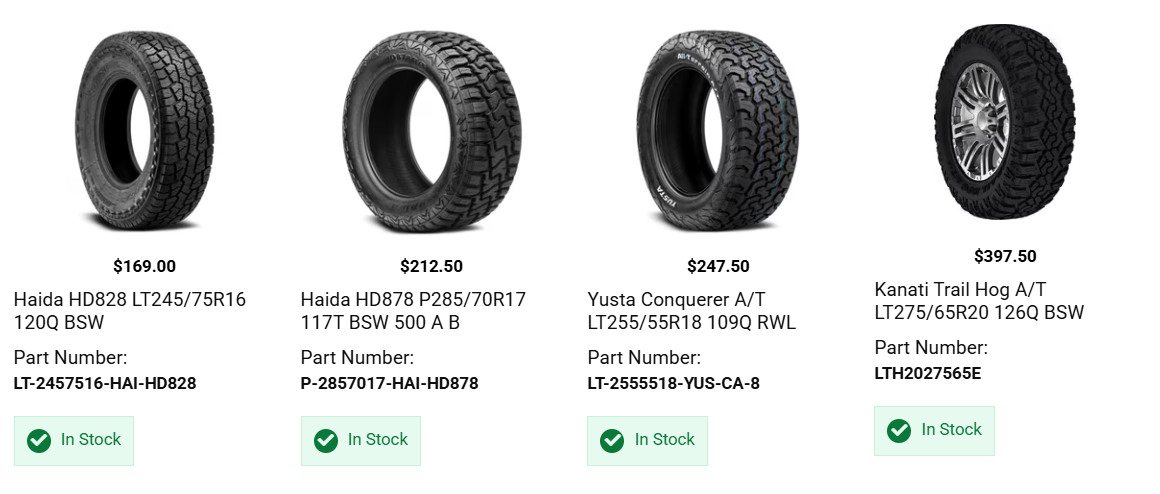
For example, a commuter car may get better value from a quiet touring tire with strong fuel efficiency and long tread life. A pickup used on rural roads may need a tougher all-terrain tire, even if it costs more upfront. An SUV used by a family year-round may benefit from a winter tire and all-season tire setup rather than one tire trying to do everything. Maintenance also affects value. Regular tire rotations, correct air pressure, wheel balancing, and alignment checks can help extend tread life and prevent uneven wear. Even a high-quality tire will not perform properly if it is installed on a vehicle with alignment issues or incorrect pressure. When comparing tires in Lloydminster, think beyond the first purchase. The right set should last, perform consistently, and make the vehicle safer and more comfortable in the conditions you actually drive through.

Choosing the Right Tires in Lloydminster for Your Car, Truck, or SUV

The best tire solution for Lloydminster drivers depends on more than vehicle size or tire price. A commuter car, family SUV, and work truck all place different demands on tires, especially in a region where drivers deal with winter roads, highways, gravel routes, rural travel, and changing prairie weather. Choosing the right tire means looking at how the vehicle is used every day and matching that use to the correct tire category. For cars, comfort, fuel efficiency, braking, and winter safety are often the biggest priorities. For SUVs, the right tire needs to balance stability, load capacity, family comfort, and year-round control. For trucks, durability, load rating, tread strength, and towing or hauling support can be just as important as price. That is why comparing tires by category, fitment, warranty, and long-term performance usually leads to a better decision than simply choosing the cheapest available set. Before buying tires in Lloydminster, think about your most common driving conditions. If winter safety is your main concern, dedicated winter tires may be the strongest choice. If you want one set for year-round driving, all-weather tires may make sense. If your truck or SUV regularly sees gravel roads, job sites, or rural routes, all-terrain or highway truck tires may deliver better long-term value. The right tires should make your vehicle safer, more comfortable, and better suited to the roads you drive most often. Whether you are replacing worn tires, preparing for winter, or upgrading a truck or SUV, working with a Canadian tire retailer serving Lloydminster can help you compare your options clearly and choose tires that fit your vehicle, your budget, and your driving needs. Frequently Asked Questions:

What are the best tires for Lloydminster drivers?

The best tires for Lloydminster drivers depend on the vehicle and driving conditions. Cars often need quiet, fuel-efficient tires with strong braking performance, while trucks and SUVs may need higher load ratings, stronger tread designs, or all-terrain durability for highways, gravel roads, towing, and winter travel.

Are winter tires necessary in Lloydminster?

Winter tires are strongly recommended in Lloydminster because cold temperatures, snow, ice, and winter highways can reduce traction. Dedicated winter tires stay more flexible in freezing weather and usually provide better braking, control, and grip than standard all-season tires during harsh winter conditions.

Are all-weather tires good for Lloydminster cars and SUVs?

All-weather tires can be a good choice for Lloydminster cars and SUVs if you want one set of tires for year-round driving. They offer better winter performance than standard all-season tires, but dedicated winter tires are still the stronger option for frequent highway travel, icy roads, or severe winter conditions.

What should truck owners in Lloydminster compare before buying tires?

Truck owners in Lloydminster should compare tire size, load rating, tread strength, sidewall durability, road noise, highway stability, towing needs, and gravel-road performance. If the truck is lifted or uses aftermarket wheels, fitment should also be checked carefully before ordering new tires.

How do I choose the right tires in Lloydminster?

To choose the right tires in Lloydminster, start with your vehicle type, driving habits, and seasonal needs. Compare winter, all-weather, all-season, all-terrain, and highway tire options based on safety, comfort, tread life, warranty coverage, load capacity, and proper vehicle fitment.