Key Points:
- Building the right wheel and tire package is about more than appearance – it requires matching wheel size, tire size, offset, suspension, and vehicle specifications for proper fitment and performance.
- Choosing compatible wheels, tires, lift kits, TPMS sensors, and installation hardware helps improve safety, handling, ride quality, and long-term reliability.
- Wheel offset, backspacing, and tire dimensions directly affect suspension clearance, steering geometry, braking performance, and the overall stance of your truck or SUV.
- Every component of a wheel and tire package should work together, including lug nuts, hub-centric rings, and alignment settings, to ensure a vibration-free installation.
- Understanding the complete wheel fitment process before buying parts can help you avoid costly mistakes and choose components that match your driving needs and vehicle goals.
Whether you’re upgrading your truck for off-road adventures, improving your SUV’s appearance, or replacing worn factory wheels and tires, building the right wheel and tire package involves much more than selecting a design you like. Every component—from the wheels and tires to the suspension and installation hardware—must work together to deliver the performance, safety, and appearance you expect. A properly matched package not only looks better but also helps maintain correct steering, braking, ride comfort, and overall vehicle reliability.
Modern trucks and SUVs offer countless customization options, making it easy to create a setup that fits your driving style. However, larger wheels, wider tires, different offsets, lift kits, and aftermarket accessories all affect the way your vehicle performs. Even a small change in wheel specifications can influence tire clearance, suspension geometry, steering feel, and load distribution. Understanding how these components interact is essential before purchasing new parts.
This guide explains the key factors involved in selecting a complete wheel and tire package for your truck or SUV. You’ll learn how wheel size, tire selection, offset, suspension upgrades, TPMS compatibility, and essential installation components work together to create a setup that performs well both on the road and off it.
The Right Wheels Are the Foundation of Every Truck Wheel and Tire Package
Every successful wheel and tire package starts with choosing the right wheels. While style is often the first thing drivers notice, proper wheel fitment has a much greater impact on how a truck or SUV performs. Wheel diameter, width, offset, bolt pattern, center bore, and load rating all determine whether the wheels will fit correctly and provide the handling, stability, and reliability you expect. Selecting the correct wheels first also makes it easier to choose compatible tires, suspension components, and installation hardware later in the process.
Before purchasing aftermarket wheels, make sure you evaluate these essential wheel specifications:
- Wheel diameter
- Wheel width
- Bolt pattern
- Wheel offset
- Center bore
- Load rating
- Brake and suspension clearance
Choosing wheels that match your vehicle’s specifications helps prevent common fitment problems such as rubbing, vibration, poor steering feel, and uneven tire wear. It also creates a solid foundation for the rest of your build, allowing every component to work together as a complete wheel and tire package instead of a collection of individual parts.
Choosing the Right Tires Makes Every Mile Safer and More Comfortable
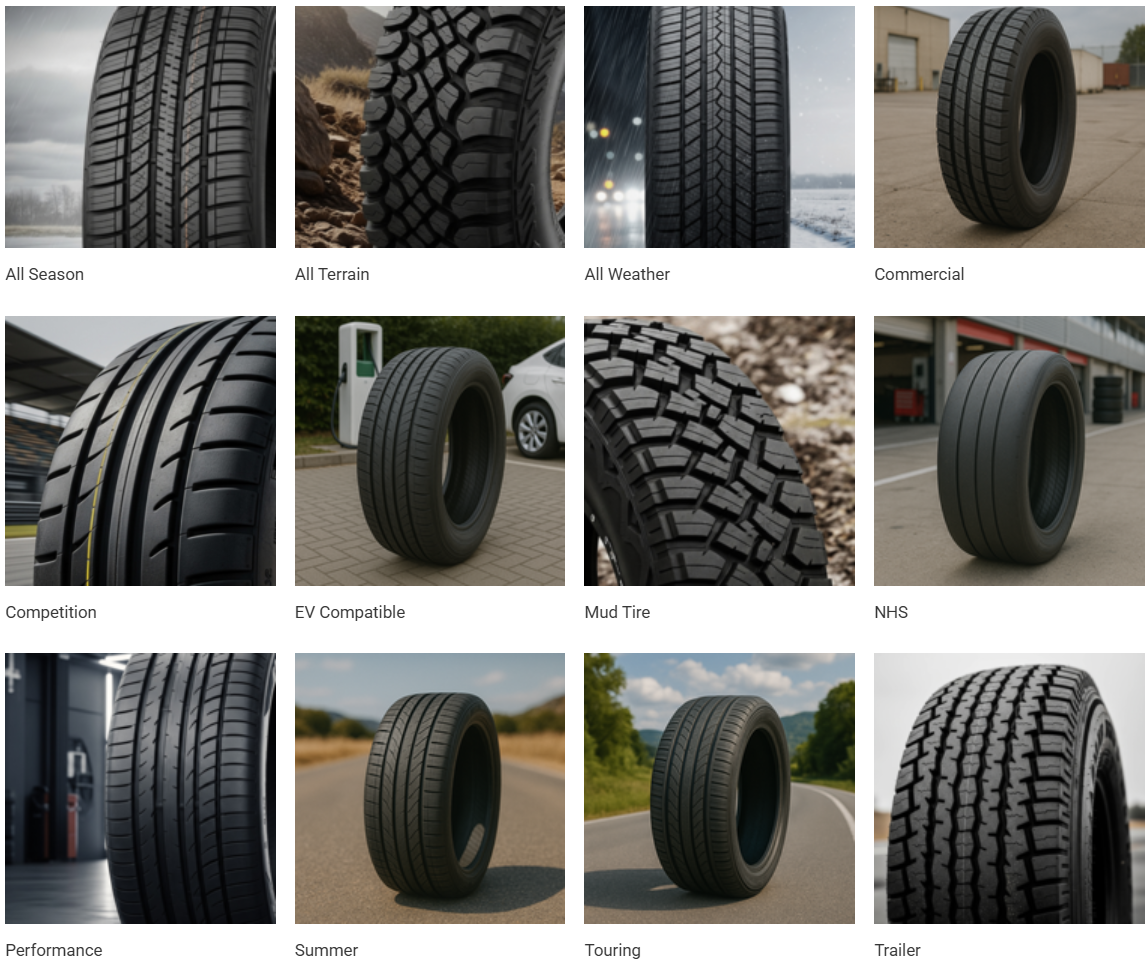
The right tires can completely change how your truck or SUV drives. Even when two vehicles use the same wheels, different tire types deliver very different results depending on where and how the vehicle is used. Daily commuters, weekend adventurers, towing vehicles, and dedicated off-road builds all benefit from different tire designs, making it important to choose tires based on your driving habits rather than appearance alone.
When comparing tire options, consider the following factors:
- Driving conditions throughout the year
- Highway or off-road use
- Tire size and overall diameter
- Load index and speed rating
- Ride comfort
- Road noise
- Tread pattern and expected tread life
Matching your tires to your driving style improves traction, braking performance, ride comfort, and overall confidence behind the wheel. It also helps ensure your new wheel and tire package performs as intended while reducing unnecessary wear on both the tires and suspension components.
How Does Wheel Offset Affect Your Wheel and Tire Package?
Wheel offset is one of the most important measurements in any wheel and tire package because it determines where the wheel sits in relation to the suspension and fenders. Even if the bolt pattern and wheel size are correct, an incorrect offset can cause rubbing, poor steering characteristics, additional stress on suspension components, or an aggressive stance that isn’t suitable for everyday driving. Choosing the proper offset helps ensure your new wheels perform just as well as they look.
Before selecting aftermarket wheels, pay close attention to these offset-related factors:
- Positive, negative, or zero wheel offset
- Suspension and brake clearance
- Fender clearance
- Tire width compatibility
- Steering geometry
- Scrub radius
- Overall vehicle stance
Finding the right wheel offset is all about balance. The goal is to improve the appearance and performance of your truck or SUV without creating clearance issues or compromising ride quality. If you’re upgrading to larger wheels or wider tires, offset should always be considered as part of the complete fitment package rather than as an isolated specification.
Do You Need a Lift Kit Before Installing Bigger Wheels and Tires?
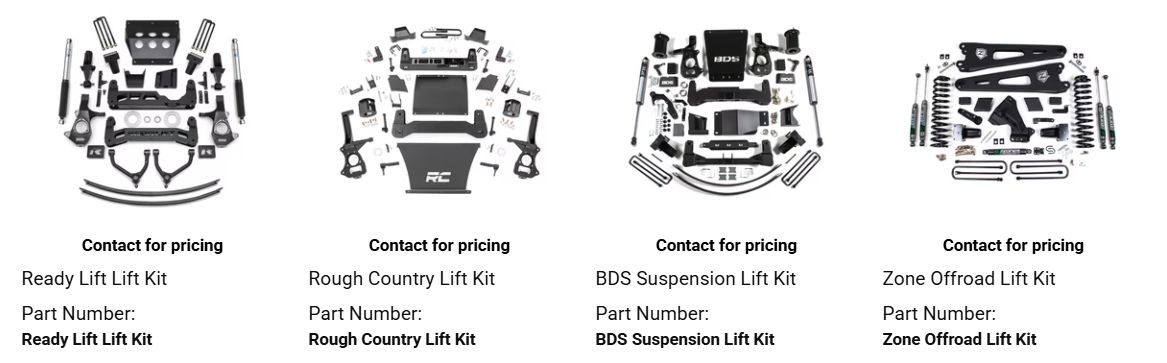
Many truck owners assume that larger wheels automatically require a suspension lift, but that’s not always the case. The answer depends on the tire size, wheel offset, available suspension clearance, and how the vehicle will be used. In some cases, a carefully selected wheel and tire combination fits perfectly on a factory suspension, while more aggressive setups may require a lift kit or leveling kit to create the necessary clearance.
Before deciding whether your vehicle needs a suspension upgrade, consider the following:
- Overall tire diameter
- Wheel offset and backspacing
- Factory suspension clearance
- Fender and wheel well space
- Intended off-road use
- Suspension travel
- Ride quality goals
Installing a lift kit simply to fit larger wheels isn’t always the best solution. The ideal approach is to plan the entire wheel and tire package first and then determine whether suspension modifications are actually necessary. This helps you avoid unnecessary costs while building a setup that delivers the appearance, clearance, and performance you’re looking for.
What Parts Should Be Included in a Complete Wheel and Tire Package?
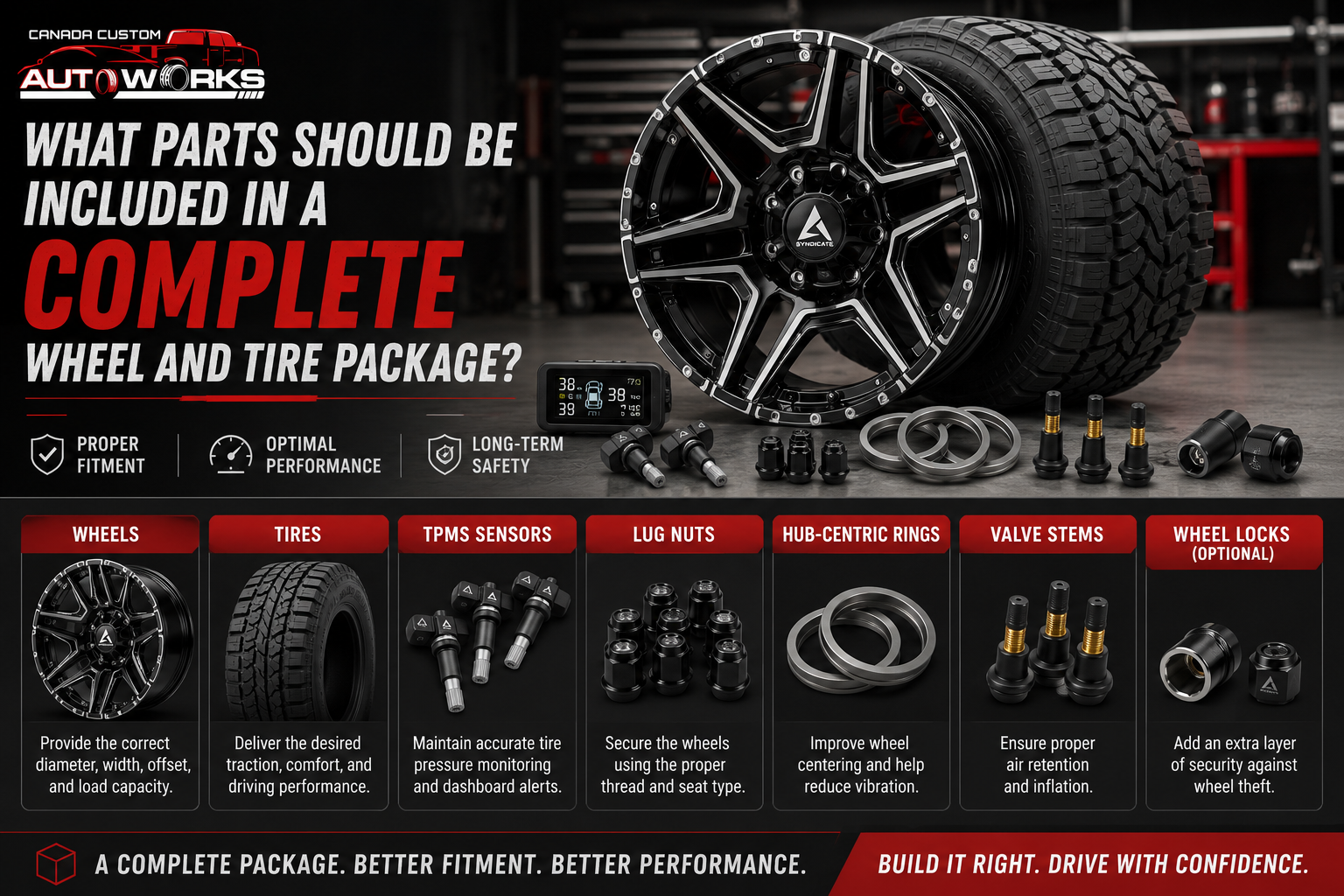
Building a complete wheel and tire package involves much more than selecting a new set of wheels and tires. Every component must work together to ensure proper fitment, reliable performance, and long-term safety. Missing even a small installation part can lead to vibration, fitment issues, or additional costs after your new wheels arrive. Planning the entire package before ordering helps eliminate compatibility problems and makes the installation process much smoother.
The table below outlines the key components that make up a complete wheel and tire package:
| Component | Purpose |
| Wheels | Provide the correct diameter, width, offset, and load capacity. |
| Tires | Deliver the desired traction, comfort, and driving performance. |
| TPMS Sensors | Maintain accurate tire pressure monitoring and dashboard alerts. |
| Lug Nuts | Secure the wheels using the proper thread and seat type. |
| Hub-Centric Rings | Improve wheel centering and help reduce vibration. |
| Valve Stems | Ensure proper air retention and inflation. |
| Wheel Locks (optional) | Add an extra layer of security against wheel theft. |
Selecting every component as part of one package ensures everything is designed to work together from the beginning. It also saves time during installation, reduces the risk of ordering incompatible parts, and helps create a wheel and tire setup that delivers the appearance, performance, and reliability you expect from your truck or SUV.
Final Thoughts on Building the Right Wheel and Tire Package
Building the right wheel and tire package is about creating a combination of components that work together rather than selecting individual parts based on appearance alone. The right wheels, properly sized tires, correct offset, suspension setup, and installation hardware all contribute to a safer, more comfortable, and better-performing truck or SUV. Taking the time to understand these fitment factors before making a purchase helps prevent expensive mistakes and ensures every upgrade delivers the results you expect.
Whether you’re building a daily driver, an off-road vehicle, or a truck designed for towing and heavy-duty use, choosing compatible components should always be the priority. Planning your wheel and tire package as a complete system allows you to improve handling, maintain proper clearance, reduce unnecessary wear, and achieve the stance and performance that best match your driving needs.
If you’re unsure which wheels, tires, or fitment components are right for your vehicle, working with experienced fitment specialists can make the process much easier. Professional guidance helps ensure every part—from wheel offset and tire size to TPMS sensors and lug nuts – is selected for maximum compatibility, giving you confidence that your new wheel and tire package will look great, perform reliably, and provide years of dependable service.
Frequently Asked Questions:
How do I choose the right wheel and tire package for my truck or SUV?
The best wheel and tire package starts with your vehicle’s factory specifications and your intended use. Wheel diameter, width, offset, tire size, load rating, and suspension clearance should all be evaluated together to ensure proper fitment. Choosing compatible components as a complete package helps improve handling, safety, ride comfort, and long-term reliability while reducing the risk of clearance or installation issues.
Does wheel offset affect a truck wheel and tire package?
Yes, wheel offset plays a major role in determining how your wheel and tire package fits your truck or SUV. The correct offset helps maintain proper suspension clearance, steering geometry, brake clearance, and tire positioning within the wheel well. An incorrect offset can lead to rubbing, uneven tire wear, or additional stress on steering and suspension components.
Do I need a lift kit for bigger wheels and tires?
Not every larger wheel and tire package requires a lift kit. Whether suspension modifications are necessary depends on the overall tire diameter, wheel offset, available clearance, and your vehicle’s factory suspension. Many moderate upgrades fit without a lift, while larger off-road combinations may require a leveling kit or suspension lift to provide adequate clearance during normal driving and suspension travel.
What should be included in a complete wheel and tire package?
A complete wheel and tire package typically includes wheels, tires, TPMS sensors, lug nuts, valve stems, and, when needed, hub-centric rings and wheel locks. Selecting all of these components together helps ensure proper compatibility, simplifies installation, and reduces the chance of purchasing parts that do not fit your vehicle correctly.
Why is proper wheel and tire fitment important?
Proper wheel and tire fitment ensures your truck or SUV performs safely and efficiently while protecting important suspension, steering, and braking components. Correct fitment improves ride quality, minimizes vibration, promotes even tire wear, and helps maintain the vehicle’s intended handling characteristics. Taking the time to verify every fitment specification before purchasing new wheels and tires can help prevent costly mistakes and deliver better long-term performance.