What Is the Main Difference Between a Lift Kit and a Leveling Kit?
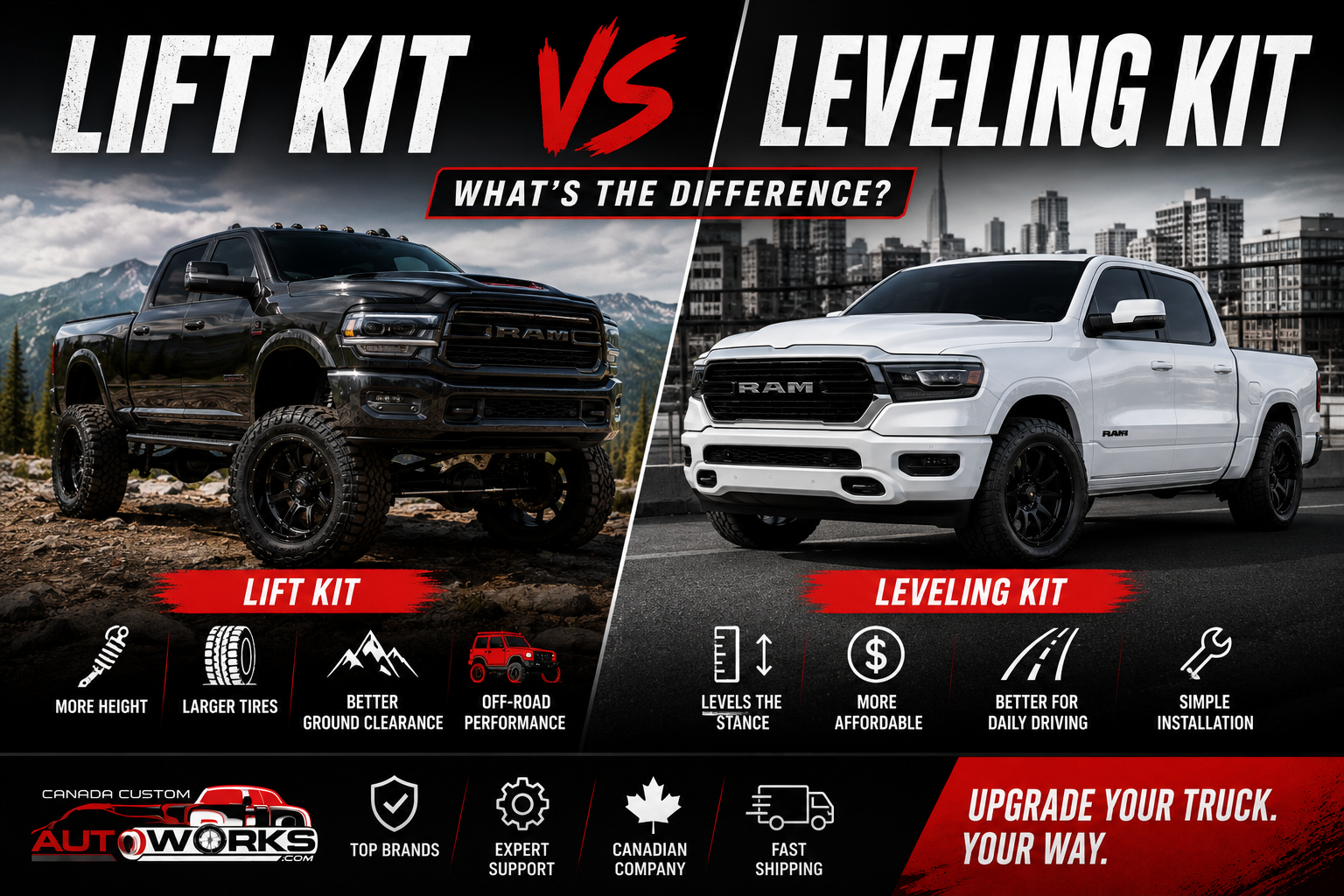
The main difference between a lift kit and a leveling kit is how much of the vehicle they raise. A leveling kit is designed to raise the front of the vehicle slightly, usually by 1 to 3 inches. A lift kit raises both the front and rear of the vehicle and can provide a much larger increase in ride height.Quick Answer
A leveling kit is best for truck owners who want a cleaner stance, mild tire clearance, and a more affordable upgrade. A lift kit is better for drivers who want more ground clearance, larger tires, improved off-road capability, and a more dramatic custom look. For daily driving, a leveling kit is often enough. For off-road builds, lifted trucks, and major wheel and tire upgrades, a lift kit is usually the stronger choice.| Feature | Leveling Kit | Lift Kit |
| Main purpose | Levels the front with the rear | Raises the entire vehicle |
| Typical height increase | 1–3 inches | 2–6+ inches |
| Best for | Daily drivers, mild stance upgrades | Off-road builds, larger tires, custom trucks |
| Cost | Usually lower | Usually higher |
| Installation complexity | Simpler | More complex |
| Tire clearance | Mild improvement | Greater improvement |
| Ride impact | Usually minimal | Can vary depending on kit quality |
| Alignment needed | Yes, usually recommended | Yes, required |
What Is a Leveling Kit?
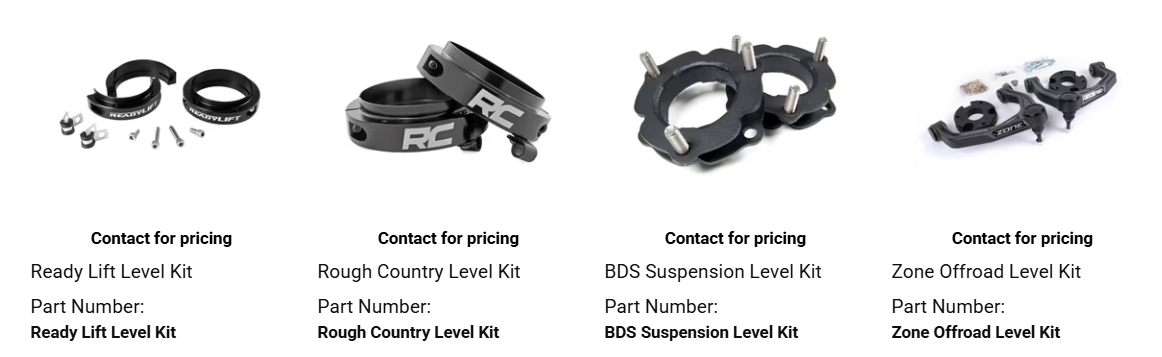
A leveling kit is a suspension upgrade that raises the front of a truck or SUV to reduce or eliminate factory rake. Many trucks come from the factory with the rear sitting slightly higher than the front. This design helps the vehicle stay level when towing or carrying heavy loads. A leveling kit brings the front end up so the vehicle sits more evenly from front to rear. This creates a cleaner look and may allow slightly larger tires, depending on the vehicle and wheel setup. Leveling kits are popular with drivers who want a noticeable improvement without making a major suspension change. They are often used on pickup trucks that are mostly driven on roads but still need a stronger, more aggressive stance.Expert Tip
Before choosing a leveling kit, check your wheel offset, tire size, and suspension setup. Even a small height change can affect tire clearance, rubbing, and alignment if the fitment is not planned correctly.What Is a Lift Kit?
A lift kit is a suspension upgrade that raises the entire vehicle, including both the front and rear. Lift kits are designed to increase ride height, create more ground clearance, and allow larger wheel and tire combinations. Lift kits are commonly used by truck and SUV owners who want a more aggressive appearance, better off-road capability, or a custom build. Depending on the kit, a lift may include components such as shocks, struts, control arms, blocks, spacers, springs, brackets, or other suspension parts. Unlike leveling kits, lift kits usually make a more dramatic change to the vehicle’s stance and performance. They can improve clearance for off-road trails, snow, mud, uneven roads, and larger all-terrain or mud-terrain tires.Lift Kit vs Leveling Kit: Which One Is Better?
Neither option is automatically better. A lift kit is better if you want more height, larger tires, and improved off-road capability. A leveling kit is better if you want a simple, affordable stance upgrade without significantly changing the vehicle.| Driver Goal | Better Option | Why |
| Remove factory rake | Leveling kit | Raises the front to match the rear |
| Fit slightly larger tires | Leveling kit | Adds mild front-end clearance |
| Fit much larger tires | Lift kit | Provides more overall clearance |
| Improve off-road clearance | Lift kit | Raises the full vehicle |
| Keep a factory-like ride | Leveling kit | Usually less change to suspension geometry |
| Build a custom lifted truck | Lift kit | Creates a more aggressive stance |
| Spend less | Leveling kit | Usually more budget-friendly |
| Maximum visual impact | Lift kit | Makes a bigger appearance change |
Are Leveling Kits Good for Daily Driving?
Yes, leveling kits are often a good choice for daily driving because they provide a cleaner stance without dramatically changing the vehicle’s ride height. Many drivers choose leveling kits because they want their truck to look more balanced while keeping the vehicle practical for commuting, parking, towing, and winter driving. A leveling kit can also make the front of the truck look stronger, especially when paired with the right wheels and tires. However, it is still important to get the alignment checked after installation. Poor alignment can cause uneven tire wear, handling issues, and reduced tire life. For daily driving in Canada, a leveling kit can be a smart option if you want better appearance and mild tire clearance without going too extreme.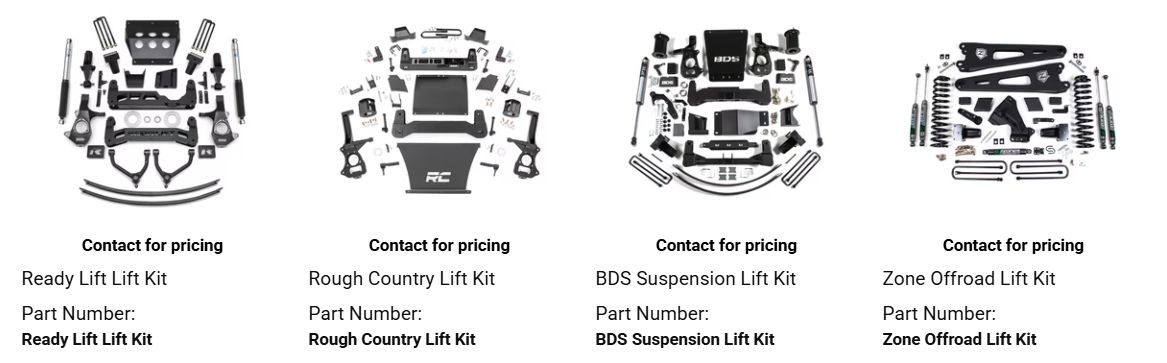
Are Lift Kits Good for Daily Driving?
Lift kits can be good for daily driving, but the right setup matters. A properly selected lift kit can give your truck or SUV a bold appearance and more clearance while still being comfortable enough for regular use. However, larger lifts can affect handling, fuel economy, entry height, garage clearance, and ride feel. Bigger tires can also change road noise, braking feel, and steering response. This does not mean lift kits are bad for daily driving, but they require more planning than a leveling kit. If your truck is used for commuting, towing, highway driving, and occasional off-road use, a moderate lift kit is usually more practical than an extreme lift.Do Lift Kits and Leveling Kits Affect Ride Quality?
Yes, both lift kits and leveling kits can affect ride quality, but the impact depends on the vehicle, kit type, installation quality, and tire setup. A leveling kit usually has a smaller impact on ride quality because it makes a mild adjustment to the front height. A lift kit can have a bigger impact because it changes more suspension components and increases the vehicle’s overall height.| Upgrade | Ride Quality Impact |
| Basic leveling kit | Usually mild |
| Premium leveling kit with quality components | Often close to factory feel |
| Small suspension lift | Moderate impact depending on setup |
| Large lift kit | More noticeable change |
| Lift with oversized tires | Can affect steering, braking, and comfort |
Can You Fit Bigger Tires With a Leveling Kit?
Yes, a leveling kit can often help fit slightly larger tires, especially by adding front-end clearance. However, the amount of tire clearance depends on the vehicle, wheel offset, tire width, suspension design, and whether trimming is needed. A leveling kit is not the same as a full lift. It may help with mild tire upgrades, but it will not create the same clearance as a lift kit. For example, a truck owner who wants a slightly larger all-terrain tire may be fine with a leveling kit. A driver who wants a much larger mud-terrain tire or a more aggressive wheel offset may need a lift kit instead.Can You Fit Bigger Tires With a Lift Kit?
Yes, fitting bigger tires is one of the main reasons drivers choose lift kits. A lift kit raises the vehicle enough to create more room in the wheel wells, especially for larger all-terrain, mud-terrain, or off-road tires. Larger tires can improve appearance and may increase ground clearance, but they must be matched carefully to the vehicle. Tire width, wheel offset, bolt pattern, suspension travel, and turning clearance all matter. A lift kit gives you more flexibility, but proper fitment is still essential. The wrong wheel and tire setup can cause rubbing, poor handling, or unnecessary stress on suspension components.Lift Kit vs Leveling Kit for Off-Road Driving
For off-road driving, a lift kit is usually the better option because it provides more ground clearance and more room for larger tires. This can help on rough trails, uneven terrain, deep snow, mud, gravel roads, and rocky surfaces. A leveling kit can still help with mild off-road use, especially if the goal is to improve stance and fit a slightly larger all-terrain tire. But it does not raise the entire vehicle the way a lift kit does.| Off-Road Use | Recommended Upgrade |
| Gravel roads | Leveling kit or small lift |
| Light trails | Leveling kit or moderate lift |
| Snowy rural roads | Leveling kit or lift, depending on tire size |
| Mud and trail driving | Lift kit |
| Larger off-road tires | Lift kit |
| Aggressive custom build | Lift kit |
Lift Kit vs Leveling Kit for Towing and Hauling
If you tow or haul often, you need to be careful when choosing between a lift kit and a leveling kit. Trucks are often built with rear rake because the rear suspension compresses under load. When the truck is carrying weight, the rear may settle and the vehicle becomes level. A leveling kit can make an unloaded truck look better, but when towing or hauling, the rear may sit lower than the front if the setup is not planned correctly. This can affect handling, visibility, and overall stability. A lift kit can also affect towing because it changes the vehicle’s height and may require hitch adjustments. If you tow regularly, make sure your suspension, tire size, hitch setup, and load rating all work together.Expert Tip
For trucks that tow often, do not choose a kit based only on appearance. Consider payload, trailer height, hitch drop, rear suspension support, and tire load rating before upgrading.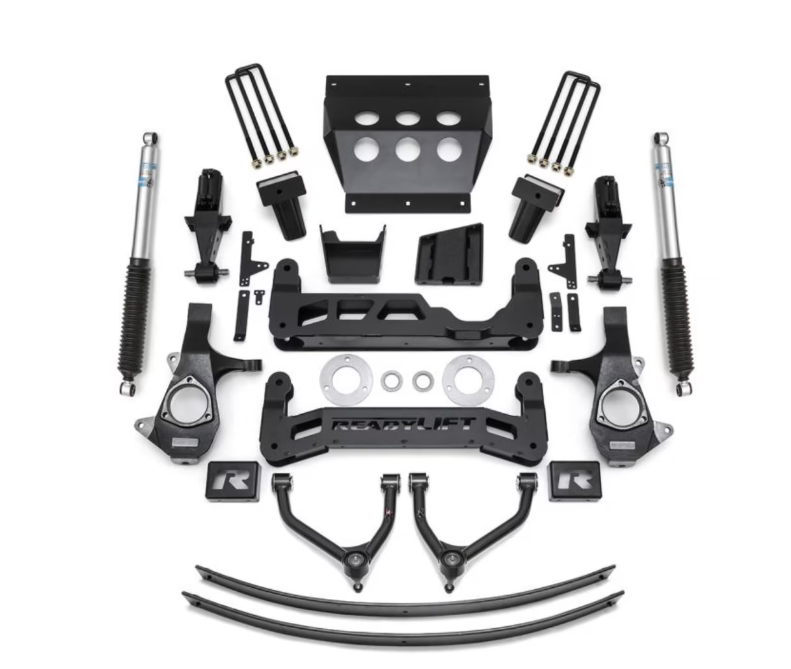
How Much Does a Lift Kit Cost Compared to a Leveling Kit?
A leveling kit usually costs less than a lift kit because it is simpler and uses fewer components. A lift kit typically costs more because it raises the entire vehicle and may require more parts, more labour, and more alignment work. The total cost depends on the vehicle, kit brand, height, suspension type, and whether you are also upgrading wheels and tires.| Upgrade Type | Typical Cost Level | Why |
| Leveling kit | Lower | Fewer components and simpler installation |
| Small lift kit | Medium | More parts and setup required |
| Premium suspension lift | Higher | Better components and more complete geometry correction |
| Lift kit with wheels and tires | Highest | Full vehicle appearance and performance upgrade |
Do You Need an Alignment After a Lift Kit or Leveling Kit?
Yes, an alignment is strongly recommended after installing either a lift kit or a leveling kit. Changing the ride height can affect suspension geometry, steering angle, camber, caster, and toe. Without a proper alignment, your tires may wear unevenly or your vehicle may not drive straight. This is especially important if you are installing new wheels and tires at the same time. For Canadian drivers, alignment is even more important because rough roads, potholes, winter conditions, and seasonal tire changes can all affect tire wear and handling.Which Vehicles Are Best for Lift Kits and Leveling Kits?
Lift kits and leveling kits are most common on pickup trucks and SUVs. They are popular on vehicles used for daily driving, towing, off-road driving, work use, and custom builds.For Pickup Trucks
Pickup trucks are the most common vehicles for both lift kits and leveling kits. A leveling kit can make a truck sit more evenly, while a lift kit can create a stronger off-road or custom appearance.For SUVs
Some SUVs can also benefit from lift kits, especially if they are used for camping, off-road travel, winter driving, or larger tire setups. Fitment should be checked carefully because SUV suspension designs vary.For Daily Drivers
A leveling kit or small lift is usually the most practical choice for daily drivers. It improves appearance without making the vehicle too tall or difficult to drive.For Off-Road Builds
A lift kit is usually the better choice for off-road builds. It creates more clearance and allows larger tires, which can improve trail capability and overall stance.Should You Choose a Lift Kit or a Leveling Kit?
You should choose a leveling kit if you want a simple, affordable way to improve your truck’s stance and fit slightly larger tires. You should choose a lift kit if you want a bigger transformation, more clearance, and the ability to run larger wheels and tires.| Choose a Leveling Kit If You Want To… | Choose a Lift Kit If You Want To… |
| Remove factory rake | Raise the entire vehicle |
| Keep a more factory-like ride | Create a more aggressive stance |
| Spend less | Fit significantly larger tires |
| Make a mild visual upgrade | Improve off-road clearance |
| Use the truck mainly on-road | Build a custom truck or SUV |
| Avoid major suspension changes | Change the vehicle’s overall presence |