Listen to the article:
Key Takeaways
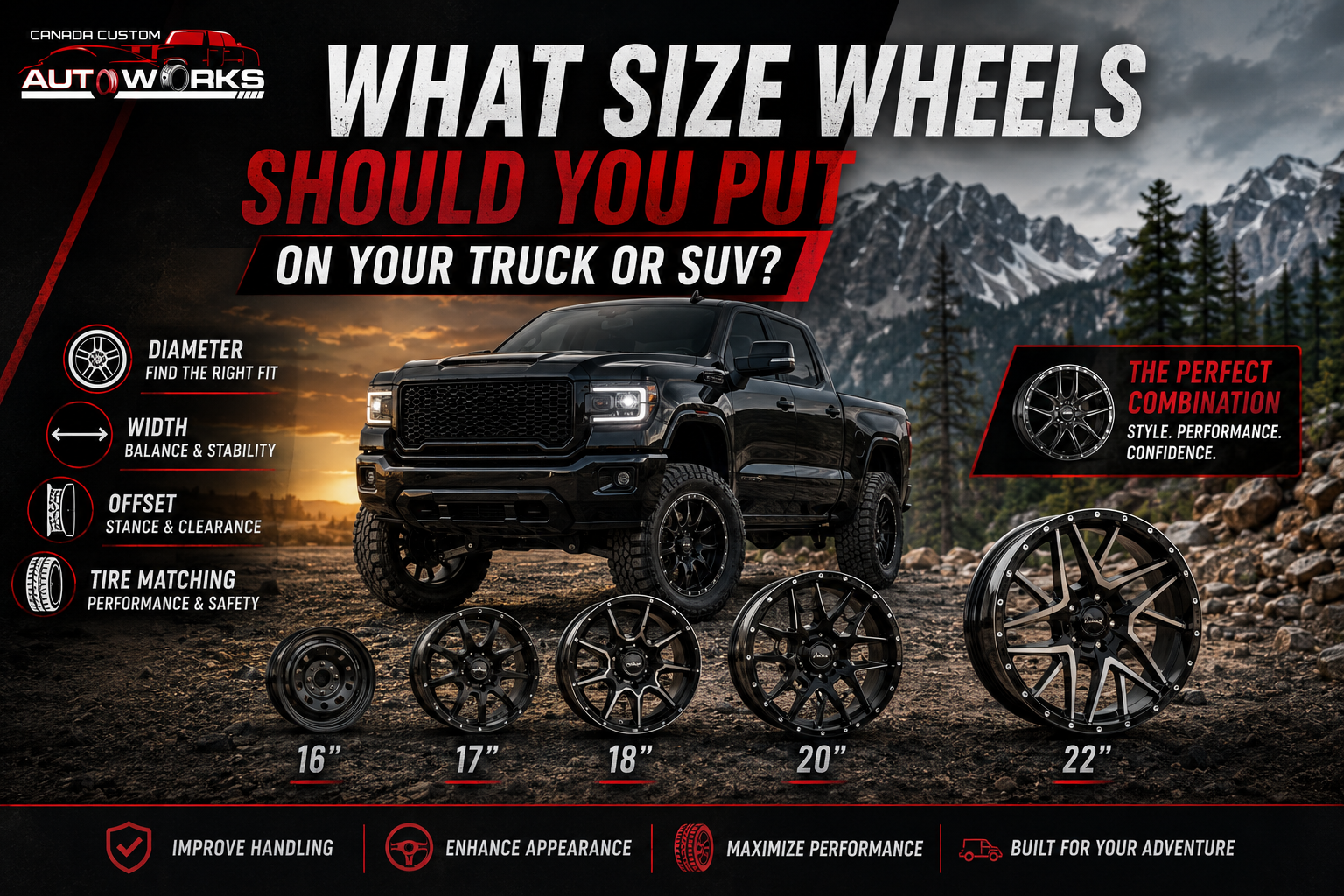
- Choosing the right truck wheel size involves more than appearance. Wheel diameter, width, offset, and tire size all work together to affect fitment, ride quality, and vehicle performance.
- Larger wheels can enhance your truck’s appearance and improve handling, while smaller wheels often provide a smoother ride, better sidewall protection, and increased off-road capability.
- Understanding wheel diameter and width helps prevent clearance issues, uneven tire wear, rubbing, and unnecessary suspension modifications.
- Selecting the proper truck wheel size depends on your driving habits, whether you prioritize daily commuting, towing, off-road adventures, or overall comfort.
- Following a truck wheel size guide makes it easier to choose wheels that fit your truck or SUV safely while delivering the performance, durability, and style you expect.
How Does Wheel Diameter Affect Truck Performance?
Wheel diameter is often the first specification truck owners consider when upgrading their wheels. Larger wheels can dramatically change a truck’s appearance, while smaller wheels may improve ride quality and off-road capability. However, selecting the right diameter requires balancing aesthetics with practical performance and ensuring compatibility with your vehicle. When evaluating wheel diameter, consider the following:- Larger wheels often provide a more modern and aggressive appearance.
- Smaller wheels typically allow for taller tire sidewalls that improve ride comfort.
- Larger wheel diameters may enhance steering response on paved roads.
- Smaller wheels can better absorb impacts on rough terrain.
- Proper tire sizing is essential to maintain overall tire diameter and accurate speedometer readings.
Why Does Wheel Width Matter?
While diameter receives most of the attention, wheel width plays an equally important role in determining tire fitment, handling, and vehicle stability. The proper wheel width allows the tire to perform as intended while maintaining safe contact with the road and even tread wear. The correct wheel width provides several important benefits:- Supports proper tire sidewall shape.
- Improves steering response and vehicle stability.
- Promotes even tire wear across the tread.
- Helps maximize traction during acceleration and braking.
- Ensures compatibility with the manufacturer’s recommended tire sizes.
Should You Choose Larger or Smaller Wheels?
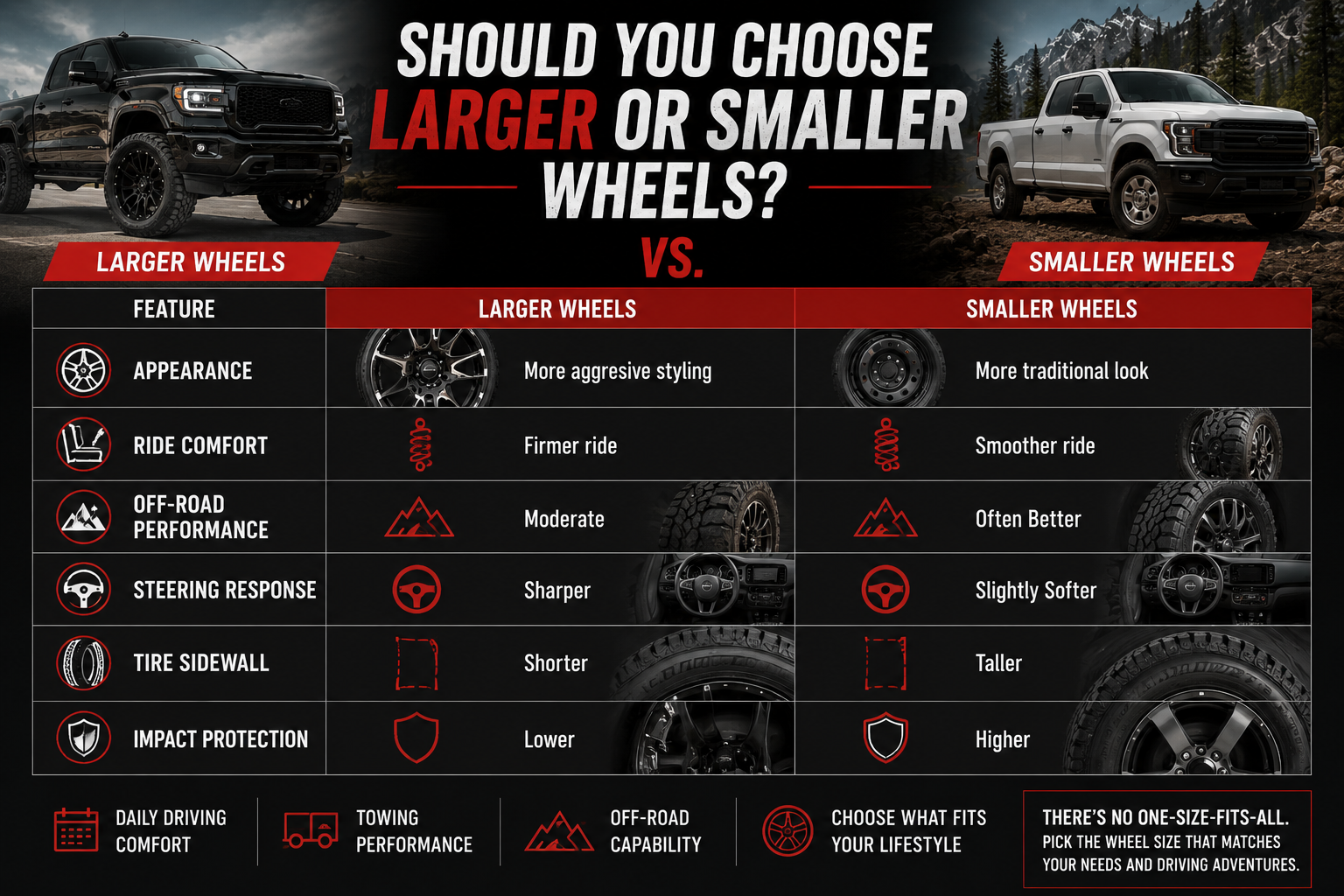
Many truck owners wonder whether upgrading to larger wheels is always the better option. In reality, both larger and smaller wheels offer distinct advantages depending on how the vehicle is used. Understanding these trade-offs helps prevent costly mistakes when purchasing new wheels. Here are some of the key differences:| Feature | Larger Wheels | Smaller Wheels |
| Appearance | More aggressive styling | More traditional look |
| Ride Comfort | Firmer ride | Smoother ride |
| Off-Road Performance | Moderate | Often Better |
| Steering Response | Sharper | Slightly Softer |
| Tire Sidewall | Shorter | Taller |
| Impact Protection | Lower | Higher |
How Does Wheel Size Affect Tire Fitment?
Selecting the right truck wheel size involves much more than choosing a diameter. Every wheel must work together with the correct tire size, wheel offset, suspension components, and brake clearance to create a properly functioning setup. Proper fitment includes considering:- Tire diameter and overall rolling height.
- Wheel offset and backspacing.
- Suspension and fender clearance.
- Brake caliper clearance.
- Manufacturer load ratings for both wheels and tires.
What Should You Consider Before Buying New Truck Wheels?
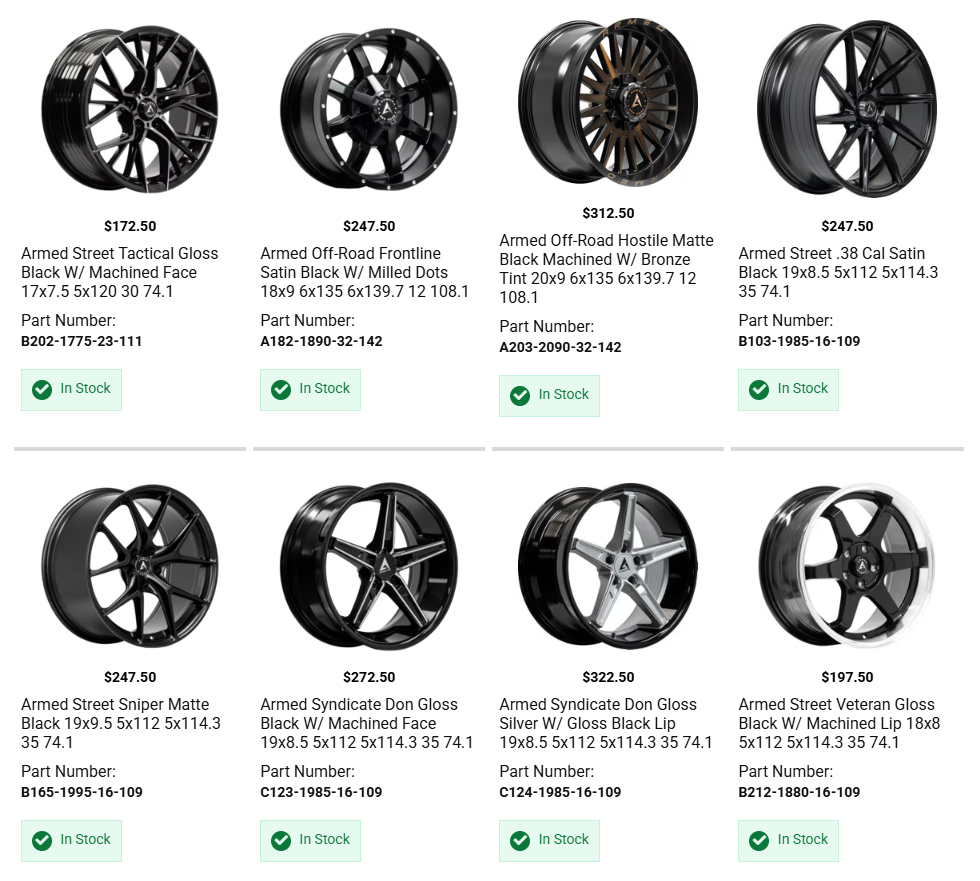
Before purchasing new wheels, it is important to evaluate how your truck is actually used rather than focusing only on appearance. The best wheel size is one that complements your driving habits, supports your tire choice, and fits your truck without unnecessary modifications. Ask yourself these questions before making a purchase:- Will the truck primarily be driven on highways or off-road?
- Do you frequently tow heavy loads?
- Are you planning to install larger tires?
- Will suspension modifications be required?
- Do you prioritize ride comfort or aggressive styling?
Can You Upgrade Wheel Size Without Affecting Performance?
Many truck owners successfully upgrade to larger wheels without negatively affecting performance, provided the entire wheel and tire package is planned correctly. Maintaining the proper overall tire diameter, selecting the correct wheel offset, and choosing compatible tires all help preserve factory driving characteristics while achieving the desired appearance. A successful wheel upgrade usually includes:- Matching tire size to maintain overall diameter.
- Selecting the correct wheel offset for proper clearance.
- Verifying suspension and brake compatibility.
- Choosing wheels with the appropriate load rating.
- Confirming TPMS compatibility when necessary.
Choosing the Right Truck Wheel Size for Your Vehicle
Selecting the right truck wheel size requires balancing appearance, performance, comfort, and proper fitment rather than simply choosing the largest wheels available. Wheel diameter, width, offset, and tire size all work together to determine how your truck handles, rides, and performs in everyday driving as well as more demanding conditions. Understanding these relationships helps you make an upgrade that looks great while preserving safety and reliability.
Every truck owner has different priorities. Some prefer larger wheels for a more aggressive appearance and sharper on-road handling, while others benefit from smaller wheels that provide additional sidewall protection, improved ride comfort, and better off-road performance. Evaluating how your truck is used—including towing, commuting, trail driving, or overlanding—makes it much easier to identify the wheel size that best supports your driving style.
Before purchasing new wheels, consult fitment specifications and work with experienced professionals who understand truck wheel and tire combinations. A properly selected wheel package ensures optimal clearance, tire compatibility, suspension performance, and long-term durability, giving you confidence that your investment will perform as well as it looks.
Frequently Asked Questions
What is the best truck wheel size for daily driving?
The best truck wheel size for daily driving depends on your vehicle and personal preferences, but many drivers choose wheel sizes that maintain a balance between ride comfort, handling, and tire availability. Staying close to the factory-recommended overall tire diameter typically delivers the best combination of performance and reliability.
Can I install larger wheels without lifting my truck?
In many cases, yes. Moderate wheel upgrades can often be installed without a lift kit if the correct tire size and wheel offset are selected. Larger combinations may require suspension modifications to prevent rubbing during steering or suspension travel.
Does wheel size affect fuel economy?
Yes. Larger and heavier wheels can slightly reduce fuel efficiency because they increase rotational mass and rolling resistance. Choosing lightweight wheels and properly sized tires helps minimize this effect while maintaining good overall performance.
How do I choose the right wheel width?
The correct wheel width depends on the tire size recommended by the manufacturer. Matching the wheel width to the tire’s approved fitment range promotes proper handling, even tread wear, and improved overall performance.
Does changing wheel size affect ride quality?
Yes. Larger wheels usually require lower-profile tires, which can create a firmer ride by reducing sidewall cushioning. Smaller wheels paired with taller tires generally provide a smoother, more comfortable driving experience while offering better protection against potholes and rough roads.