Why does my car vibrate after installing new rims and tires?
Posted on
Upgrading your rims and tires should improve your vehicle’s performance and appearance, not introduce vibration. If you’re feeling shaking through the steering wheel, seat, or floor after installation, it usually points to an issue with balancing, fitment, or installation quality.At Canada Custom Autoworks, we see this often, and in most cases, the cause is straightforward and fixable. Understanding what’s behind the vibration helps you address it quickly and avoid longterm wear on your vehicle.
What vibration after installation usually means?
Vibration is a sign that something in the wheel and tire assembly is not rotating evenly or sitting properly on the vehicle. Even small inconsistencies become noticeable at higher speeds.This is not something to ignore. Left unresolved, it can lead to uneven tire wear, stress on suspension components, and reduced driving comfort.
Improper wheel balancing
The most common cause of vibration after new rims and tires is incorrect balancing.Each wheel and tire assembly must be balanced so weight is evenly distributed. If this step is rushed or done incorrectly, the result is a noticeable shake, especially at highway speeds.Common signs:
Vibration increases with speed
Steering wheel shake between 80 to 120 km h
A proper rebalance usually resolves the issue immediately.
Incorrect wheel fitment
Not all rims are designed to fit every vehicle perfectly without proper setup.If the center bore of the wheel does not match the hub exactly, the wheel may not sit perfectly centered. This is especially common with aftermarket rims that require hubcentric rings.Without correct centering:
The wheel rotates slightly offaxis
Vibration occurs immediately after installation
Proper fitment is critical, and this is why choosing the right package matters.
Improper lug nut torque
Lug nuts must be tightened evenly using the correct torque and sequence.If they are overtightened, undertightened, or installed unevenly, the wheel may not sit flush against the hub.This can lead to:
Immediate vibration
Uneven pressure on the wheel
Potential safety concerns if left unchecked
Dirt or rust on the hub surface
The mounting surface between the wheel and hub must be completely clean.Even a small amount of rust, corrosion, or debris can prevent the wheel from sitting flat. This creates a slight wobble that turns into noticeable vibration at speed.Professional installation always includes cleaning and preparing the hub surface before mounting.
Tire or rim defects
Although less common, new tires or rims can sometimes have manufacturing defects.Examples include:
Tires that are not perfectly round
Wheels with slight bends or runout
These issues may not be visible, but can be detected with road force balancing equipment. If a defect is found, the tire or wheel should be replaced.
Mismatch between tires and driving conditions
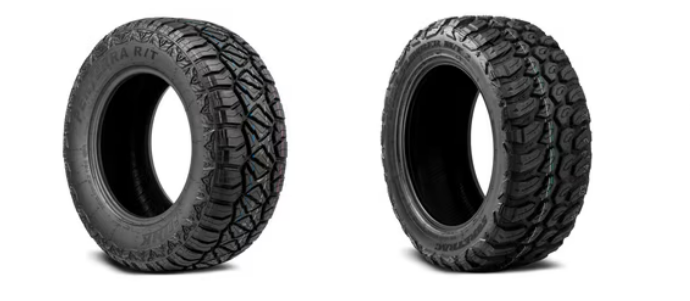
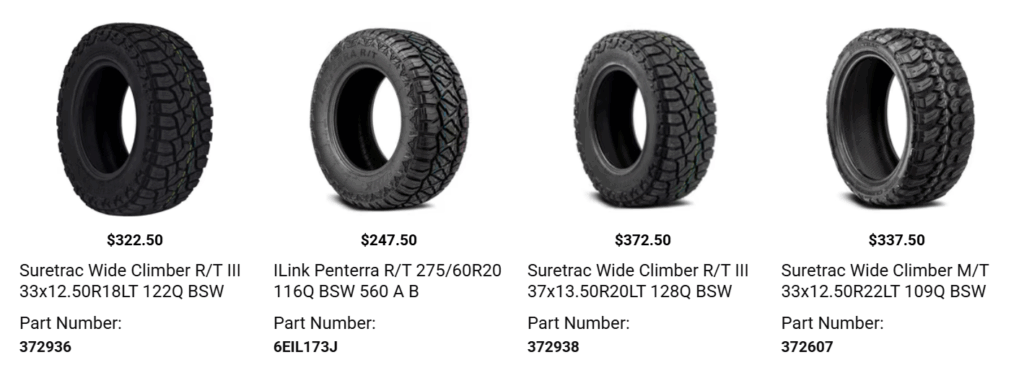
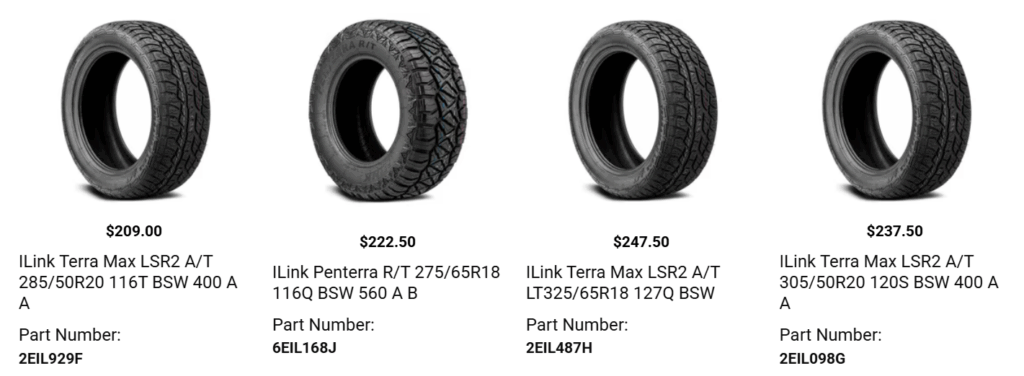
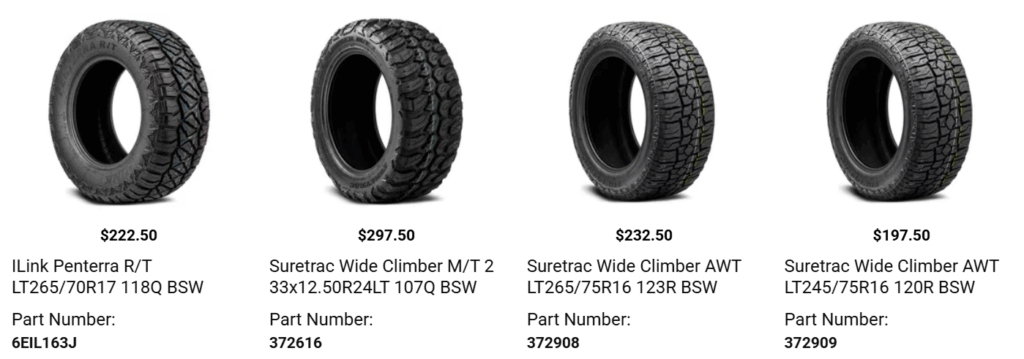
Choosing the wrong type of tire for your driving can also contribute to vibration or harsh ride quality.For example:
This is why selecting the right tire for your use is just as important as proper installation.
Preexisting suspension issues
In some cases, new rims and tires do not cause the problem but reveal it.Worn components such as:
Ball joints
Tie rods
Shocks or struts
It can become more noticeable after installing new tires, especially if the new setup has a stiffer sidewall or a larger size.
How to fix vibration after installation
If your vehicle vibrates after installing new rims and tires, take action right away.We recommend:
Rebalancing all four wheels
Verifying proper torque on all lug nuts
Checking that hubcentric rings are installed if required
Cleaning and inspecting mounting surfaces
Performing a road force balance to detect defects
Inspecting suspension components if needed
In most cases, the issue can be resolved quickly with the right equipment and attention to detail.
Why professional installation matters?
A proper wheel and tire installation is about more than just mounting and balancing. It requires correct fitment, proper tools, and experienced technicians who understand how each component works together.At Canada Custom Autoworks, every package is:
Matched to your vehicle’s exact specifications
Professionally mounted and balanced
Installed with correct torque and procedures
Checked to ensure a smooth, vibrationfree ride
Vibration after installing new rims and tires is not normal, but it is usually easy to fix. Most issues come down to balancing, fitment, or installation quality rather than a serious mechanical problem.Addressing it early will protect your tires, improve comfort, and ensure your vehicle performs the way it should.If your truck or car is not driving smoothly after an upgrade, let our team take a look.
 Worn components such as: